
En résumé : Covenant Eyes est un logiciel de responsabilisation solide, conçu pour les adultes qui tentent de rompre avec des habitudes liées à la pornographie. Il prend des captures d'écran floutées, les analyse avec l'IA et envoie un rapport à un ami ou un mentor. Mais pour les parents, il y a un bémol de taille : il vous indique seulement ce que votre enfant a regardé après qu'il l'a déjà vu. Covenant Eyes ne bloque pas le contenu YouTube en temps réel et n'offre pas de contrôle au niveau des chaînes. Si vous voulez une réelle prévention, WhitelistVideo (à partir de 6,99 $/mois par enfant, prix américain) bloque tout par défaut et ne laisse vos enfants voir que les chaînes que vous avez personnellement approuvées.
Qu'est-ce que Covenant Eyes ?
Covenant Eyes existe depuis 2000 et est une référence dans les communautés confessionnelles. Avec plus de 1,5 million d'utilisateurs, c'est sans conteste le nom le plus important dans le domaine de la « responsabilisation ».
La configuration est simple. Vous installez le logiciel sur un appareil et choisissez un partenaire de responsabilisation, comme un conjoint ou un ami. L'application surveille l'activité à l'écran et signale tout élément suspect dans un rapport hebdomadaire envoyé à ce partenaire.
Ce modèle est excellent pour son public cible d'origine : les adultes qui veulent être tenus responsables de leur propre navigation. Il repose sur le « coup de pouce » psychologique de savoir que quelqu'un verra votre activité. Il s'agit de changer de comportement par la transparence.
Cependant, de nombreux parents tentent aujourd'hui d'utiliser Covenant Eyes comme filet de sécurité principal pour leurs enfants sur YouTube. C'est là que la logique commence à s'effriter.
WhitelistVideo est-il adapté à votre enfant ?
Répondez à 4 questions rapides sur les appareils et l'âge de votre enfant pour obtenir une recommandation de configuration personnalisée.
Plus de 10 000 familles · GratuitCe que Covenant Eyes fait bien
Avant d'examiner les lacunes, il convient de noter ce que Covenant Eyes réussit réellement :
Responsabilisation par écran
Le logiciel prend une capture d'écran environ une fois par minute. Leur IA analyse ces images pour détecter les contenus explicites, les évalue, puis les floute avant même qu'elles ne quittent l'appareil. C'est une façon intelligente de gérer la confidentialité : votre partenaire de responsabilisation ne voit pas vos coordonnées bancaires ou vos photos privées, seulement une version floutée de tout ce qui est marqué comme « préoccupant ».
Couverture multiplateforme
Il fonctionne sur Windows, macOS, Android et iOS. Sur ordinateur et Android, il surveille l'ensemble de l'appareil. Sur iOS, il est principalement limité à Safari en raison de la façon dont Apple verrouille son système d'exploitation.
Le mode navigation privée ne l'arrête pas
Comme Covenant Eyes examine l'écran lui-même plutôt que l'historique de navigation, peu importe que l'utilisateur soit en mode navigation privée. Si c'est à l'écran, le logiciel le voit.
Filtrage de base
Vous pouvez définir des niveaux de filtrage de base (Jeune, Tout le monde, Adolescent, Adulte) pour bloquer les sites explicites et forcer SafeSearch sur Google et YouTube. C'est une fonctionnalité standard, mais elle est présente.
Ressources éducatives
Ils proposent des cours pour rompre avec l'addiction à la pornographie. Pour un adulte aux prises avec ces problèmes, ces ressources sont réellement utiles et ne se trouvent pas dans une application de contrôle parental standard.
Covenant Eyes et YouTube : Le gros problème
Si vous vous inquiéez spécifiquement de ce que vos enfants voient sur YouTube, Covenant Eyes présente des zones d'ombre majeures.
Aucun contrôle au niveau des chaînes
Vous ne pouvez pas choisir les chaînes YouTube. Vous ne pouvez pas dire à l'application « autorise Khan Academy mais bloque MrBeast ». Vous n'avez réellement que trois choix :
- Bloquer YouTube entièrement (ce dont la plupart des enfants ont besoin pour l'école ou leurs loisirs)
- Utiliser le Mode restreint de YouTube (connu pour son manque de fiabilité)
- Laisser tout ouvert et attendre que le rapport vous dise ce qui s'est mal passé
Il n'y a pas de juste milieu. Vous ne pouvez pas créer de « liste sécurisée » de chaînes.
Le signalement est réactif, pas proactif
Covenant Eyes est conçu pour la responsabilisation, pas pour la prévention. Il surveille, enregistre et signale.
Le problème est évident : votre enfant a déjà vu la vidéo au moment où vous recevez l'e-mail.
Pour un adulte, la peur d'un rapport est une force de dissuasion. Pour un enfant de sept ans ? Il ne pense pas au rapport de mardi prochain. Il clique simplement sur n'importe quelle miniature colorée et attrayante que l'algorithme lui propose. Le dommage est fait instantanément.
Le Mode restreint est un bouclier fragile
Covenant Eyes s'appuie sur le propre « Mode restreint » de YouTube pour le filtrage. C'est une fonctionnalité gratuite que n'importe qui peut activer, et elle n'est pas infaillible. Elle utilise des systèmes automatisés pour masquer le contenu « mature », mais c'est loin d'être parfait.
Les problèmes sont bien connus :
- Il laisse passer beaucoup de choses. Les tests indépendants montrent souvent un taux d'échec de 20 à 30 %.
- Il est approximatif. Il bloque souvent des vidéos éducatives tout en laissant passer du contenu étrange ou limite.
- Les YouTube Shorts sont un chaos. Les YouTube Shorts défilent si vite que les filtres de modération ne parviennent pas toujours à suivre.
Covenant Eyes n'ajoute pas sa propre couche de filtrage ici ; il se contente d'activer l'interrupteur existant (et imparfait) de YouTube.
Le contenu intégré à l'application est difficile à suivre
Sur les appareils mobiles, le filtrage se fait généralement au niveau du domaine. Une fois qu'un enfant est dans l'application YouTube, Covenant Eyes ne peut pas facilement faire la différence entre un tutoriel de maths et un clip de jeu violent, à moins que l'IA ne capture une image « explicite » très spécifique. La plupart des « mauvais » contenus pour enfants ne sont pas pornographiques — ils sont simplement inappropriés, violents ou bizarres — et l'IA n'est pas vraiment conçue pour chercher cela.
Pourquoi la responsabilisation ne fonctionne pas pour les enfants
Le modèle de responsabilisation est une solution pour « adultes ». Il échoue avec les enfants pour quelques raisons simples :
1. Les enfants n'ont pas encore de maîtrise de soi
La responsabilisation suppose que l'utilisateur *veut* s'arrêter. Un adulte utilisant Covenant Eyes essaie de changer une habitude. Un enfant ne « cherche » pas de mauvais contenu ; il explore simplement. Son cerveau n'est pas assez développé pour peser les conséquences d'un rapport hebdomadaire face à la décharge immédiate de dopamine d'une vidéo.
2. Les rapports hebdomadaires sont trop lents
Une semaine est une éternité à l'échelle d'Internet. Un enfant peut s'engouffrer dans un trou noir très sombre en vingt minutes. Si vous l'apprenez sept jours plus tard, vous ne prévenez rien — vous ne faites qu'une autopsie de l'incident.
3. L'IA manque de nuance
L'IA de Covenant Eyes est entraînée pour trouver du porno. Elle est très douée pour cela. Mais elle n'est pas entraînée pour signaler :
- Les animations troublantes de style « Elsagate »
- Les vidéos de « canulars » extrêmes ou le harcèlement
- Le langage inapproprié dans un stream Minecraft
- Les commentaires prédateurs
Pour un robot de capture d'écran, un dessin animé violent ressemble exactement à un dessin animé sûr.
4. Le « fardeau de la vérification »
Soyons honnêtes : allez-vous vraiment lire un rapport de 20 pages chaque semaine pour chaque enfant de votre maison ? La plupart des parents commencent fort, puis arrêtent de consulter les rapports après un mois. Une fois que vous arrêtez de vérifier, la protection disparaît de fait.
Quels appareils votre enfant utilise-t-il pour regarder YouTube ?
La meilleure solution : comment fonctionne WhitelistVideo
WhitelistVideo change la donne. Au lieu de surveiller ce que votre enfant fait pour vous le dire plus tard, il arrête l'exposition avant qu'elle ne se produise.
Le processus
- Tout est bloqué par défaut. Si c'est sur YouTube, c'est bloqué. Pas de « À suivre », pas de barre latérale, pas de YouTube Shorts.
- Vous choisissez les chaînes. Vous ajoutez les chaînes auxquelles vous faites confiance, comme PBS Kids, Mark Rober ou un enseignant spécifique.
- Seul le « bon contenu » est diffusé. Votre enfant peut regarder n'importe quoi provenant de ces chaînes spécifiques, et rien d'autre.
Voyez les choses ainsi : Covenant Eyes est une caméra de surveillance qui enregistre un cambriolage. WhitelistVideo est un verrou de sécurité qui empêche l'intrus d'entrer.
Pourquoi c'est mieux pour YouTube
- Zéro exposition. Si une chaîne n'est pas sur votre liste, la vidéo ne se chargera pas. Point final.
- Pas d'algorithme. Vous n'avez pas à vous soucier de ce que YouTube « suggère » ensuite.
- Pas de devoirs pour les parents. Vous n'avez pas à passer vos dimanches soirs à examiner des rapports d'activité.
- Communication. Si votre enfant veut regarder une nouvelle chaîne, il peut envoyer une demande. Vous vérifiez, cliquez sur « approuver », et il peut y aller.
Covenant Eyes vs WhitelistVideo : Comparaison des fonctionnalités
Faites défiler horizontalement pour voir toutes les colonnes.
| Fonctionnalité | Covenant Eyes | WhitelistVideo |
|---|---|---|
| Prix | 17 $/mois (184 $/an) | À partir de 6,99 $/mois par enfant (prix américain) |
| Approche principale | Responsabilisation (surveiller et signaler) | Prévention (bloquer et liste blanche) |
| Idéal pour | Adultes et grands adolescents | Enfants et jeunes ados sur YouTube |
| Contrôle des chaînes YouTube | Aucun | Contrôle total |
| Bloque le mauvais contenu | Non (le signale plus tard) | Oui (le bloque instantanément) |
| Protection Shorts | Très limitée | Totale (sauf si la chaîne est approuvée) |
| Méthode de filtrage | Mode restreint YouTube | Liste blanche approuvée par les parents |
| Surveillance par capture d'écran | Oui | Pas nécessaire |
| Révision requise | Oui (rapports hebdomadaires) | Non (configurez et oubliez) |
| Blocage porno (Web) | Oui (très robuste) | Spécifique à YouTube uniquement |
| Demandes de l'enfant | Non | Oui |
Quand devriez-vous utiliser Covenant Eyes ?
Covenant Eyes n'est pas un « mauvais » logiciel ; il est simplement souvent utilisé pour la mauvaise tâche. Il est pertinent pour :
- Les adultes : Si vous luttez avec vos habitudes sur Internet et que vous voulez qu'un ami vous aide à garder le cap, c'est la référence absolue.
- Les grands adolescents : Pour un jeune de 17 ans qui veut instaurer une relation de confiance et qui participe à la discussion, la responsabilisation peut être un excellent outil.
- Le filtrage web général : Si vous avez besoin de bloquer le porno sur tout le web, ils sont très efficaces.
Ce n'est PAS le bon choix pour :
- Protéger les enfants de moins de 14 ans sur YouTube.
- Les parents qui veulent arrêter le contenu *avant* qu'il ne soit vu.
- Toute personne qui souhaite organiser ce que ses enfants apprennent sur YouTube.
Peut-on utiliser les deux ?
C'est possible, mais probablement inutile. Si votre principale inquiétude concerne YouTube, WhitelistVideo fait le travail pour une fraction du prix. Si vous voulez une protection large pour toute la famille, vous pourriez utiliser WhitelistVideo pour le temps YouTube des enfants et Covenant Eyes pour la navigation générale des adultes.
Mais pour la plupart des familles, dépenser 17 $ par mois pour Covenant Eyes juste pour surveiller YouTube est excessif, surtout quand il ne bloque pas réellement les vidéos.
Foire aux questions
Est-ce que Covenant Eyes bloque les vidéos YouTube ?
Pas vraiment. Il peut activer le Mode restreint, mais il ne bloque pas de vidéos ou de chaînes spécifiques. Il est conçu pour surveiller et signaler, pas pour agir comme un gardien.
Covenant Eyes est-il bon pour les enfants ?
C'est mieux que rien, mais c'est réactif. Si vous voulez savoir ce qu'ils ont vu *après* coup, c'est correct. Si vous voulez les empêcher de le voir en premier lieu, c'est le mauvais outil.
Combien ça coûte ?
Covenant Eyes coûte 17 $/mois. WhitelistVideo coûte à partir de 6,99 $/mois par enfant (prix américain). Si YouTube est votre préoccupation principale, WhitelistVideo est à la fois moins cher et plus efficace.
Cela fonctionne-t-il sur les YouTube Shorts ?
Difficilement. Les YouTube Shorts défilent si vite que les captures d'écran effectuées une fois par minute les ratent généralement. Le Mode restreint échoue également fréquemment à filtrer correctement les YouTube Shorts.
Quelle est la meilleure alternative ?
WhitelistVideo. C'est le seul moyen de s'assurer que vos enfants ne voient que les chaînes que vous avez vérifiées, plutôt que ce que l'algorithme YouTube décide de leur montrer aujourd'hui.
Protection pour les appareils de votre enfant
Le verdict
Covenant Eyes est un excellent outil pour les adultes qui veulent être honnêtes sur leur utilisation d'Internet. Les captures d'écran alimentées par l'IA et les rapports de responsabilisation sont excellents pour instaurer la confiance entre adultes.
Mais les enfants ne sont pas des adultes. Ils n'ont pas les mêmes motivations ni la même maîtrise de soi. Utiliser un outil de responsabilisation pour protéger un enfant sur YouTube, c'est comme utiliser un détecteur de fumée pour éteindre un incendie : il vous prévient qu'il y a un problème, mais il n'arrête pas les dégâts.
Si vous voulez examiner ce que votre enfant a regardé la semaine dernière, prenez Covenant Eyes. Si vous voulez vous assurer qu'il ne voie jamais de « mauvaises choses » pour commencer, utilisez une liste blanche.
Essayer WhitelistVideo gratuitement
Arrêtez de vous soucier de l'algorithme. Approuvez les chaînes auxquelles vous faites confiance et bloquez tout le reste automatiquement. Pas de rapports à scanner, pas de mauvaises surprises.
WhitelistVideo coûte à partir de 6,99 $/mois par enfant (prix américain) et fonctionne sur Chrome, Chromebooks, iOS, Windows et Mac.
Vous voulez de la prévention, pas juste des rapports ?
WhitelistVideo bloque les contenus YouTube inappropriés avant que les enfants ne les voient.
Questions frequentes
Non. Covenant Eyes est un logiciel de responsabilisation, pas un logiciel de blocage. Il surveille et signale ce qui a été visionné mais n'empêche pas l'accès aux contenus YouTube inappropriés. Au moment où le rapport est généré, l'enfant a déjà été exposé.
Pas pour la prévention. Covenant Eyes utilise l'IA pour scanner les écrans et envoyer des rapports à un partenaire de responsabilisation. Pour YouTube spécifiquement, cela signifie que votre enfant regarde d'abord le contenu, puis vous recevez un rapport plus tard. L'approche par liste blanche de WhitelistVideo prévient totalement l'exposition en n'autorisant que les chaînes pré-approuvées.
WhitelistVideo est la meilleure alternative pour une protection spécifique à YouTube. Contrairement aux rapports après-coup de Covenant Eyes, WhitelistVideo bloque tout le contenu YouTube par défaut et n'autorise que les chaînes approuvées par les parents. Zéro exposition aux contenus inappropriés.
Covenant Eyes coûte 16,99 $/mois pour leur forfait Premium. WhitelistVideo coûte à partir de 6,99 $/mois par enfant (prix américain). WhitelistVideo est à la fois moins cher et plus efficace pour la protection YouTube car il prévient l'exposition au lieu de se contenter de la signaler.
Lire dans d’autres langues:








Publié le 6 février 2026 · Mis à jour le 6 septembre 2026

À propos de WhitelistVideo Editorial Team
Editorial & Testing Team
The WhitelistVideo Editorial Team tests parental controls on real devices — iPhone, iPad, Android, Windows, Mac, Chromebook and Android TV — and writes up what we find, including where our own product falls short. Where a claim comes from a vendor's own documentation or from third-party testing, we cite it. Articles are reviewed by Arul Prakash, the founder of WhitelistVideo.
Vous pourriez aussi aimer

Contrôles basés sur les alertes comme Bark : pourquoi ils arrivent trop tard
Les outils basés sur les alertes comme Bark vous informent APRÈS que les enfants ont vu du contenu inapproprié. L'exposition a déjà eu lieu. Découvrez pourquoi la prévention l'emporte sur la détection.

Bark vs Qustodio vs WhitelistVideo : Comparatif 2026
Comparez Bark, Qustodio et WhitelistVideo. Découvrez quel contrôle parental protège les enfants sur YouTube, lequel peut être contourné et lequel offre le meilleur rapport qualité-prix.
Surveillance vs Prévention : Quel contrôle parental fonctionne vraiment ?
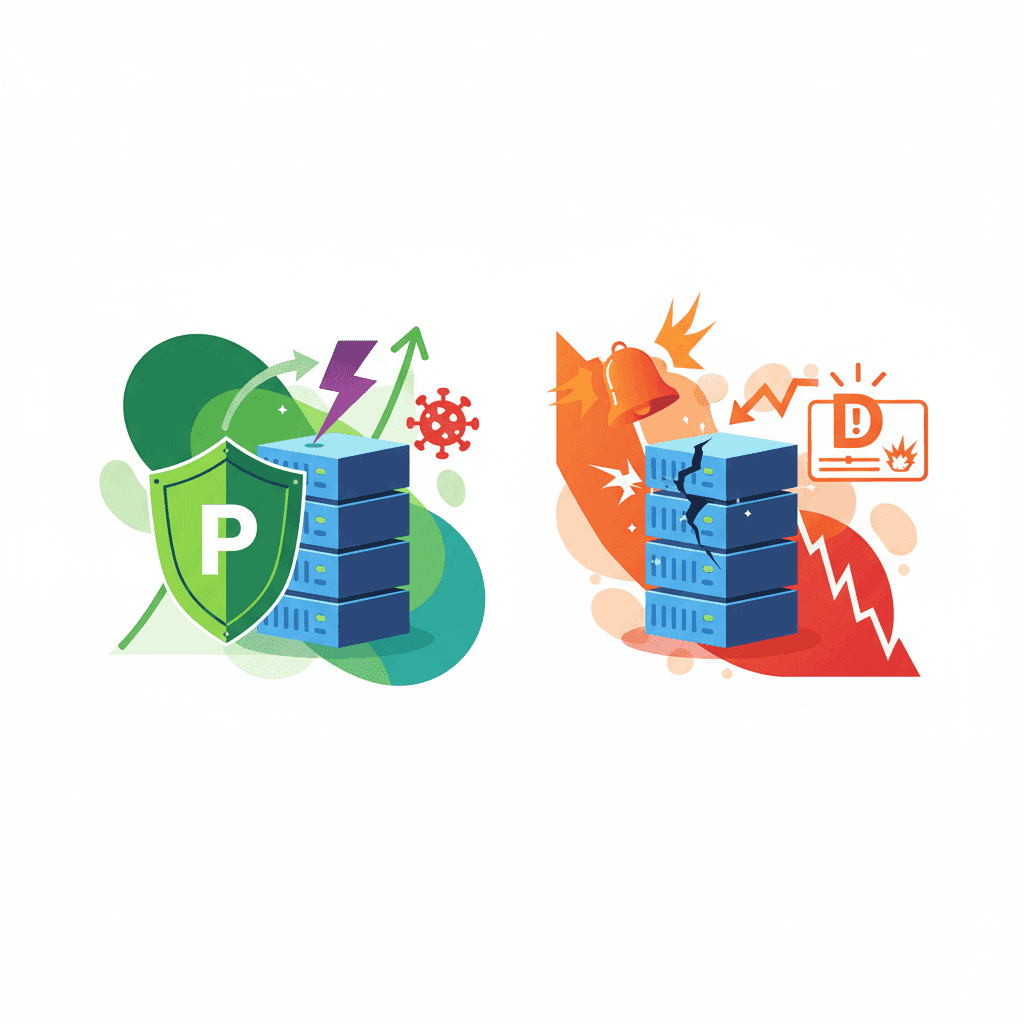
Les applications de surveillance détectent le contenu après l'exposition. Les outils de prévention le bloquent avant que les enfants ne le voient. Découvrez quelle approche fonctionne le mieux pour YouTube.
Curieux de savoir ce que Google sait de nous ?
Ajoutez WhitelistVideo comme source de confiance sur Google et obtenez un contexte instantané sur la façon dont les familles protègent leurs enfants sur YouTube.
Ask Google about WhitelistVideo