
TL;DR (Resumo)
Onde o Bark e o Qustodio se destacam:
- Leitura de mensagens de texto, redes sociais e e-mails
- Filtragem da web em diferentes navegadores
- Definição de limites gerais de tempo de tela
- Rastreamento de localização via GPS
- Gerenciamento de vários dispositivos ao mesmo tempo
Onde eles deixam a desejar no YouTube:
- ❌ Whitelisting por canal: Eles não conseguem limitar a criança a apenas alguns canais aprovados.
- ❌ Modo anônimo: O YouTube continua funcionando em navegação privada nesses apps.
- ❌ Bypass por VPN: As crianças usam VPNs para pular direto por esses filtros.
- ❌ Sistema de solicitações: Não há uma maneira fácil para um adolescente pedir um novo canal.
- ❌ Proteção ao nível da conta: Seus controles estão vinculados ao dispositivo, não à conta do YouTube.
O WhitelistVideo resolve todos os cinco. Ele foi construído especificamente para resolver o problema do YouTube.
A versão curta: Bark e Qustodio são generalistas. O WhitelistVideo é o especialista.
O Problema do Generalista vs. Especialista
Bark e Qustodio são como canivetes suíços. Eles têm uma ferramenta para tudo — textos, redes sociais, navegação na web — mas nenhuma dessas ferramentas é particularmente afiada quando se trata de YouTube. Eles tentam fazer tudo, o que geralmente significa que não fazem nenhuma coisa perfeitamente.
O WhitelistVideo é mais como um bisturi. Ele tem um único trabalho: whitelisting no YouTube. Como não está tentando monitorar as mensagens de texto do seu filho ou rastrear a localização dele, ele pode se concentrar inteiramente em tornar o YouTube seguro.
Pense nisso como sua saúde. Você consulta um clínico geral para um check-up, mas vai a um cirurgião para uma operação específica. O algoritmo do YouTube é um problema específico e complicado que precisa de um especialista.
Recurso 1: Whitelisting de Canais
O Que É
O whitelisting (lista de permissões) de canais significa que você escolhe os canais que seu filho pode assistir, e tudo o resto simplesmente desaparece.
Se você aprovar o Khan Academy e o Mark Rober, esses serão os únicos conteúdos que aparecerão. A barra de pesquisa é desativada, o algoritmo de "Próximo Vídeo" não consegue trazer lixo aleatório e os vídeos relacionados mostram apenas conteúdo da sua lista aprovada.
O Que o Bark e o Qustodio Fazem em Vez Disso
Esses aplicativos usam "filtragem por lista de bloqueio" (blacklisting). Eles tentam bloquear as coisas ruins usando palavras-chave ou IA, mas deixam todo o resto passar. É um jogo de gato e rato que eles nunca podem vencer.
A abordagem do Bark:
- Ele analisa os títulos dos vídeos após terem sido assistidos.
- Ele envia um alerta se vir uma palavra-chave "preocupante".
- Ele não consegue impedir seu filho de encontrar um canal novo e estranho; ele apenas avisa você sobre isso mais tarde.
A abordagem do Qustodio:
- Ele pode bloquear o YouTube inteiramente ou definir um cronômetro.
- Ele mostra o histórico de visualização.
- Ele não consegue limitar o acesso a um conjunto específico de canais seguros.
Por Que Isso Importa
As pessoas fazem upload de 500 horas de vídeo a cada minuto. Nenhuma lista de bloqueio consegue acompanhar isso.
Com o Bark ou o Qustodio, seu filho pode começar com um vídeo de ciência, mas três cliques depois, ele estará assistindo a uma lista de "Top 10" cheia de clickbaits ou teorias da conspiração. O Bark pode te enviar um alerta, mas o dano já foi feito — ele já assistiu.
O WhitelistVideo interrompe o problema antes que ele comece. Se não estiver na lista, não carrega. Ponto final.
Comparação de Pais Reais
Jessica, que mudou do Bark para o WhitelistVideo:
"O Bark costumava me mandar mensagens depois que meu filho assistia a algo estranho. Eu recebia uma notificação dizendo que ele assistiu a um vídeo com 'linguagem preocupante'. Naquela altura, ele já tinha visto. Com o WhitelistVideo, ele está restrito aos 40 canais que escolhemos juntos. Não recebo mais alertas porque não há nada sobre o que me alertar."
Recurso 2: Bloqueio de Modo Anônimo
O Que É
Este recurso detecta quando alguém tenta usar o YouTube em uma janela privada ou anônima e o encerra.
O Que o Bark e o Qustodio Fazem em Vez Disso
A maioria das crianças descobre em uma semana que o modo anônimo é uma carta de "saída livre da prisão".
- O Bark não consegue ver o que acontece no modo anônimo. Ele é literalmente projetado para ser invisível para monitores.
- O Qustodio às vezes consegue detectá-lo, mas muitas vezes falha em bloquear sites específicos uma vez que a janela privada está aberta.
Se seu filho abrir uma guia anônima e for ao YouTube, ele geralmente terá acesso total e irrestrito. E como é anônimo, nem aparecerá no histórico.
Como o WhitelistVideo Previne Isso
O WhitelistVideo é mais inteligente. Ele procura por aquela assinatura de navegação privada. Se detectar seu filho tentando entrar sorrateiramente no YouTube via modo anônimo, ele bloqueia a página e informa que ele deve usar uma janela padrão onde a whitelist está ativa. Sem mais desvios fáceis.
Comparação de Pais Reais
Michael, que usa Qustodio e WhitelistVideo juntos:
"Eu achava que o Qustodio estava fazendo o seu trabalho até perceber que minha filha estava usando o modo anônimo há meses. Eu tinha zero histórico e zero controle. Agora, se ela tenta abrir o YouTube em uma guia privada, ele simplesmente não carrega. Ela tem que voltar para o navegador regular onde as minhas regras realmente existem."
Recurso 3: Detecção e Bloqueio de VPN
O Que É
Uma VPN (Virtual Private Network) é a maneira "profissional" que as crianças usam para burlar filtros. Ela criptografa o tráfego para que o app de controle parental não consiga ver o que estão fazendo.
O Que o Bark e o Qustodio Fazem em Vez Disso
Bark e Qustodio têm dificuldades aqui. Uma VPN forte pode rotear o tráfego contornando totalmente seus filtros. Embora o Qustodio possa tentar bloquear os próprios aplicativos de VPN, é uma batalha constante, pois novos surgem todos os dias.
Como o WhitelistVideo Previne Isso
O WhitelistVideo não tenta jogar "acerte a toupeira" com cada app de VPN no planeta. Em vez disso, ele verifica a conexão quando o YouTube inicia. Se detectar uma assinatura de VPN, ele simplesmente bloqueia o YouTube.
A mensagem é simples: "Desligue a VPN se quiser assistir aos seus canais." Isso não interfere nos trabalhos escolares ou em outros aplicativos — apenas protege a única plataforma onde eles têm mais probabilidade de entrar em problemas.
Comparação de Pais Reais
Amanda, ex-usuária do Qustodio:
"Meu filho de 15 anos chegou a rir quando me mostrou como era fácil burlar o Qustodio com uma VPN gratuita que ele encontrou no Reddit. O WhitelistVideo foi a única coisa que realmente pegou isso. É a primeira vez que sinto que o software é realmente mais inteligente que o meu adolescente."
Recurso 4: Sistema de Solicitação Integrado para Adolescentes
O Que É
Este é um fluxo de trabalho que permite que seu adolescente clique em um botão para pedir um novo canal. Você recebe uma notificação, vê do que se trata o canal e clica em "Aprovar" ou "Recusar".
O Que o Bark e o Qustodio Fazem em Vez Disso
Esses aplicativos são construídos para monitoramento, não para colaboração. Se seu filho quiser assistir a um novo canal educativo, ele tem que ir te procurar, dizer o nome, esperar você pesquisar no seu tempo livre e depois esperar você alterar as configurações manualmente. É um transtorno, então a maioria dos pais simplesmente não faz, e a maioria das crianças acaba frustrada.
Por Que o Sistema de Solicitação Importa
Quando você dá a um adolescente uma maneira de pedir as coisas, é menos provável que ele tente quebrar o sistema. O WhitelistVideo facilita o processo:
- O adolescente encontra um canal.
- Ele clica em "Solicitar" e escreve uma nota rápida (ex: "Preciso disso para meu projeto de história").
- Você recebe um link e uma prévia no seu celular.
- Você aprova em segundos.
Isso transforma um "não" em um "vamos conversar sobre isso", o que constrói confiança em vez de ressentimento.
Recurso 5: Protege a Experiência do YouTube com Login Ativo
O Que É
Isso significa que a proteção segue a conta do Google do usuário, não apenas o dispositivo físico em suas mãos.
O Que o Bark e o Qustodio Fazem em Vez Disso
Bark e Qustodio funcionam ao nível do dispositivo. Você os instala em um telefone, e esse telefone está protegido. Mas o que acontece quando seu filho pega o iPad da família? Ou faz login na conta dele no laptop de um amigo?
A menos que você tenha o app instalado em cada tela da casa (e na casa do vizinho), há uma brecha. Gerenciar cinco ou seis dispositivos diferentes é um pesadelo para a maioria dos pais.
Como o WhitelistVideo Resolve Isso
O WhitelistVideo se vincula à extensão do Chrome e à conta do Google. Quando seu filho faz login no YouTube, a whitelist está lá. Não importa se ele está no laptop dele ou no computador da família; se estiver logado na conta dele, as regras o seguem. É uma configuração única que cobre todos os lugares onde ele for.
Comparação de Pais Reais
Jennifer, que mudou do Bark:
"Eu não conseguia dar conta de instalar o Bark em cada tablet e celular antigo que temos jogado pela casa. Meu filho simplesmente encontrava o único dispositivo que eu esqueci de atualizar. O WhitelistVideo está vinculado ao login dele. É muito mais fácil gerenciar uma conta do que seis dispositivos diferentes."
Tabela de Comparação de Recursos: WhitelistVideo vs. Bark vs. Qustodio
Role horizontalmente para ver todas as colunas.
| Recurso | WhitelistVideo | Bark | Qustodio |
|---|---|---|---|
| Whitelisting de Canais do YouTube | ✅ Sim | ❌ Não | ❌ Não |
| Bloqueio de Modo Anônimo | ✅ Sim | ❌ Não | ⚠️ Parcial |
| Detecção e Bloqueio de VPN | ✅ Sim | ❌ Não | ⚠️ Parcial |
| Sistema de Solicitação para Adolescentes | ✅ Sim | ❌ Não | ❌ Não |
| Controle ao Nível da Conta | ✅ Sim | ❌ Não | ❌ Não |
| Monitoramento de Mensagens de Texto | ❌ Não | ✅ Sim | ✅ Sim |
| Monitoramento de Redes Sociais | ❌ Não | ✅ Sim | ✅ Sim |
| Filtragem Web | ❌ Não | ✅ Sim | ✅ Sim |
| Limites de Tempo de Tela | Deixa para o Screen Time / Family Link | ✅ Sim | ✅ Sim |
| Rastreamento de Localização | ❌ Não | ✅ Sim | ✅ Sim |
| Custo Anual | US$ 69,99/ano por criança (EUA) | $99/ano | $138/ano |
| Ideal Para | Segurança no YouTube | Monitorar textos | Gestão de dispositivos |
A Abordagem Complementar: Use Ambos
Você não precisa escolher um ou outro. Muitos pais usam o WhitelistVideo ao lado de uma ferramenta geral.
Quando manter o Bark ou o Qustodio
Se você se preocupa com quem seu filho está trocando mensagens, onde ele está depois da escola ou quanto tempo ele passa no TikTok, você precisa do Bark ou do Qustodio. Eles foram feitos para esse tipo de supervisão ampla.
Quando adicionar o WhitelistVideo
Se o YouTube é o principal "buraco negro" na sua casa, adicione o WhitelistVideo. Ele preenche as lacunas massivas que os apps generalistas deixam para trás. Ele impede que o algoritmo sugira conteúdo estranho e previne as formas mais comuns que as crianças usam para burlar as regras.
A Configuração Ideal:
- WhitelistVideo para um controle inabalável do YouTube.
- Apple Screen Time ou Google Family Link para limites básicos de dispositivos (e eles são gratuitos).
- Bark se você sente necessidade de monitorar as mensagens privadas deles.
Preço: Vale o Custo Extra?
A US$ 69,99/ano por criança (preço nos EUA), o WhitelistVideo é bem mais barato que as grandes marcas.
- Bark: $99/ano
- Qustodio: $138/ano
Se o YouTube é sua preocupação principal, você está obtendo uma proteção melhor por cerca de metade do preço. Se você já paga pelo Bark, adicionar o WhitelistVideo é como uma pequena apólice de seguro para garantir que a única plataforma que o Bark não consegue controlar totalmente esteja realmente bloqueada.
Pense desta forma: gastamos mais de US$ 70 em uma única noite de pizza em família. Gastar esse mesmo valor para garantir que seu filho não caia em um ciclo vicioso de conteúdo inapropriado por um ano inteiro é uma decisão bem fácil.
Perguntas Comuns
"Devo mudar completamente?"
Apenas se o YouTube for sua única preocupação. Se você ainda quer rastrear a localização ou ver as mensagens, mantenha seu app atual e apenas adicione o WhitelistVideo para cuidar da parte de vídeos.
"É realmente mais eficaz?"
Para o YouTube? Sim. Bark e Qustodio são como uma cerca com alguns buracos. O WhitelistVideo é uma parede sólida com um portão trancado do qual você detém a chave.
Conclusão
Bark e Qustodio são ótimos pelo que oferecem, mas não foram construídos para lidar com a fera que é o algoritmo do YouTube. Eles são reativos — dizem o que deu errado depois que aconteceu.
O WhitelistVideo é proativo. Ele não apenas observa; ele previne.
Se você quer parar de se preocupar com o que está aparecendo na barra lateral de "Recomendados", você precisa de uma ferramenta que realmente entenda como o YouTube funciona.
Comece seu período de teste gratuito de 2 horas → whitelist.video
Buscando um Melhor Controle para o YouTube?
Desenvolvido especificamente para a proteção no YouTube com whitelisting de canais.
Perguntas Frequentes
O WhitelistVideo oferece whitelisting de canais (limita o YouTube apenas a canais específicos aprovados), bloqueio de modo anônimo, detecção de VPN, um sistema de solicitação para adolescentes e funciona no YouTube com login efetuado. Bark e Qustodio usam filtragem por lista de bloqueio (blacklist), que não consegue fornecer nenhum desses recursos.
O Bark e o Qustodio são aplicativos de monitoramento multiplataforma baseados em filtragem por lista de bloqueio (bloqueando conteúdo impróprio). O whitelisting do YouTube exige uma integração profunda com a plataforma e uma arquitetura de segurança diferente. O WhitelistVideo foi construído especificamente para o controle de whitelist no YouTube.
Sim. O WhitelistVideo foca exclusivamente no controle de conteúdo do YouTube. Você pode usá-lo junto com o Bark/Qustodio para aproveitar os outros recursos deles (monitoramento de textos, filtragem web, tempo de tela). O WhitelistVideo cuida do YouTube; os outros apps cuidam de todo o resto.
Não. O WhitelistVideo custa US$ 69,99/ano por criança (preço nos EUA). O Bark custa $99/ano. O Qustodio custa $138/ano. O WhitelistVideo é mais barato e oferece uma proteção superior para o YouTube (enquanto Bark/Qustodio oferecem mais recursos em outros apps e plataformas).
O WhitelistVideo possui os melhores controles específicos para YouTube (whitelisting de canais). Bark e Qustodio possuem melhores recursos multiplataforma (monitoramento de texto, controles de múltiplos apps). Para segurança máxima no YouTube, o WhitelistVideo é a escolha clara. Para monitoramento abrangente do dispositivo, Bark ou Qustodio.







Publicado em 15 de dezembro de 2025 · Atualizado em 6 de setembro de 2026

Sobre WhitelistVideo Editorial Team
Editorial & Testing Team
The WhitelistVideo Editorial Team tests parental controls on real devices — iPhone, iPad, Android, Windows, Mac, Chromebook and Android TV — and writes up what we find, including where our own product falls short. Where a claim comes from a vendor's own documentation or from third-party testing, we cite it. Articles are reviewed by Arul Prakash, the founder of WhitelistVideo.
Você Também Pode Gostar
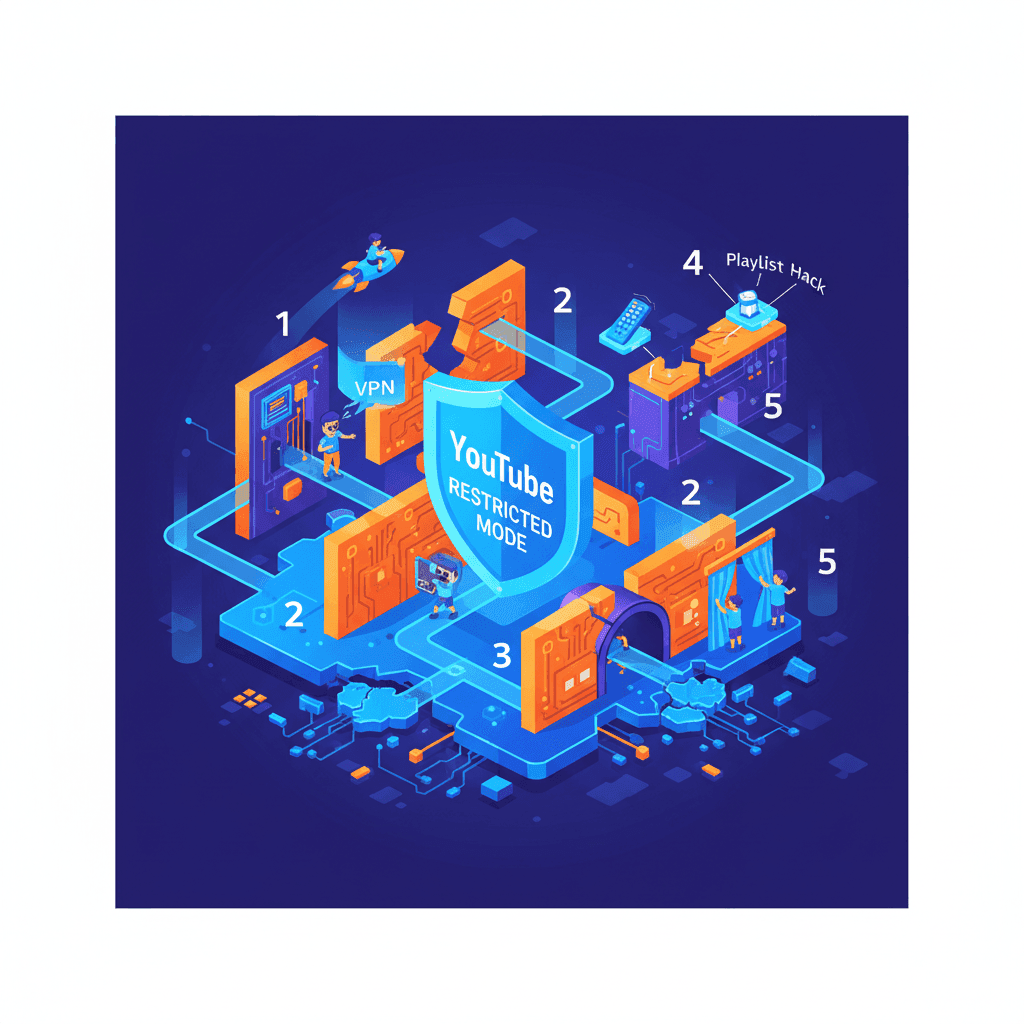
Modo Restrito do YouTube: 7 Formas como as Crianças Burlam em 2026
O Modo Restrito do YouTube é fácil de burlar. Veja os 7 métodos que crianças usam em segundos e o controle parental que realmente aguenta.
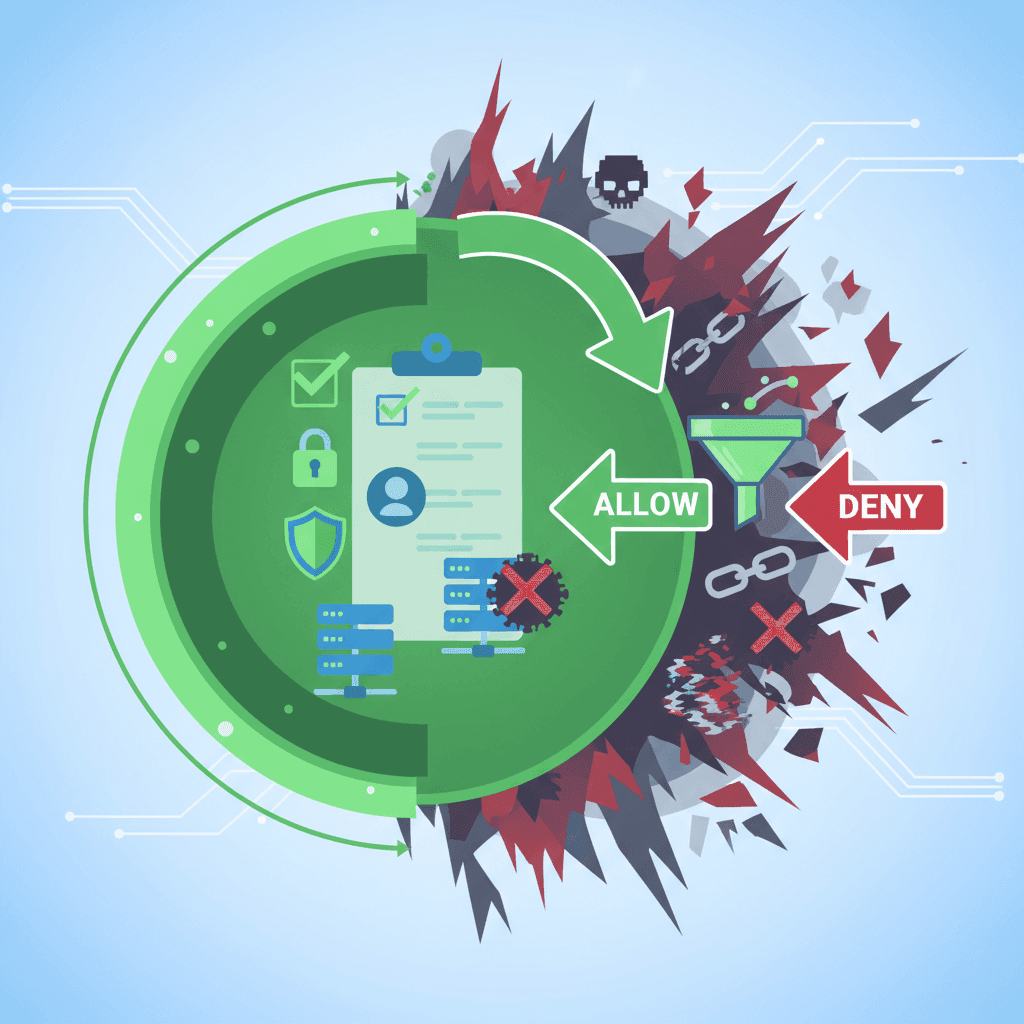
O que é Controle Parental por Whitelist? Guia Completo
Os controles parentais por whitelist são a abordagem mais segura online. Aprenda como eles diferem da filtragem por blacklist e por que pais antenados em tecnologia os escolhem.

Segurança no YouTube para Crianças: O Guia Completo para Pais de 2026 sobre Todas as Opções
Compare todos os controles do YouTube: YouTube Kids, Modo Restrito, Family Link e controles de whitelist. Saiba o que realmente funciona e o que é apenas fachada de segurança.
Curioso sobre o que o Google sabe sobre nós?
Adicione WhitelistVideo como fonte confiável no Google e obtenha contexto instantâneo sobre como famílias mantêm as crianças seguras no YouTube.
Ask Google about WhitelistVideo