

TL;DR
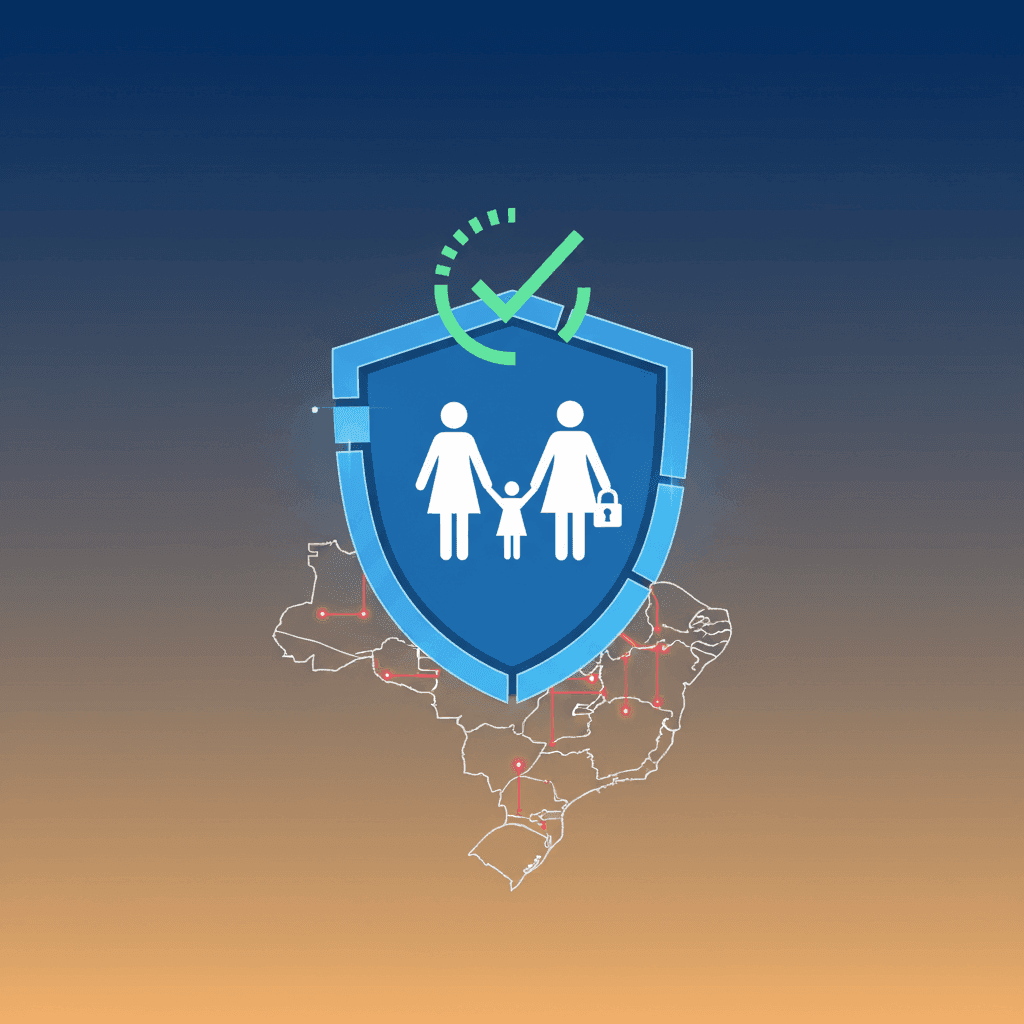
Brazil just passed a major social media law that requires parents to sign off on accounts for anyone under 16. It also forces platforms to use real age verification—not just a "check this box" system—and bans features like infinite scroll that keep kids hooked on screens.
A New Approach to Digital Safety in Brazil
This week, Brazil implemented a social media law that changes the rules for how children interact with the internet. This isn't just another minor update; it’s a strict set of requirements that forces platforms to prioritize parental control and actual age verification. Brazil has often led the way for digital regulation in Latin America, and this move suggests a shift in how governments are handling the mess of online child safety.
The goal is to make the digital world less exploitative for young people. By acknowledging that social media affects developing brains differently, the law tries to give parents actual tools to manage it. It’s a clear sign that the days of platforms policing themselves are coming to an end.
Parental Supervision and Real Age Verification
The law focuses on two main requirements that put more pressure on tech companies:
- Parental Consent for Under-16s: Social media companies in Brazil must now get explicit permission from a parent or guardian before anyone under 16 can open an account. A simple "I am over 13" checkbox won't cut it anymore. This treats a child’s online presence with the same level of adult supervision required in the physical world.
- Actual Age Verification: The law requires "robust" verification that goes beyond self-declaration. Platforms can't just take a user's word for it. To comply, tech companies will likely have to use:
- Third-party services: Companies that specialize in confirming identity and age securely.
- AI-based checks: Tools that can estimate age through biometric data without storing personal info.
- Official ID links: In some cases, checking against government-issued IDs while maintaining privacy.
This is a big deal because weak age checks are the easiest way for kids to see content they shouldn't. Parents know how easy it is for kids to get around basic filters, a topic we’ve covered in Why Kids Bypass Parental Controls. By forcing real checks, Brazil is trying to make sure age-appropriate settings actually stay in place.
Banning Addictive Features
Brazil is also going after the design tricks that make apps hard to put down. The law bans features specifically built to maximize screen time and encourage compulsive scrolling. This includes:
- Infinite Scroll: The bottomless feed that keeps loading content so you never find a natural place to stop.
- Autoplay: Videos that start immediately, making it easy to fall down a rabbit hole without meaning to.
- Constant Notifications: The pings and alerts designed to trigger FOMO and pull users back into the app.
These features are built to hit dopamine receptors, which is tough for adults to resist and even harder for kids. Since research links excessive social media use to anxiety and poor sleep in teens, Brazil is forcing companies to move away from "engagement at all costs." It’s a direct challenge to the business models of the world's biggest apps.
The Global Impact of Brazil’s Move
Brazil’s law isn't just a local issue. As the largest country in Latin America, Brazil has enough economic weight to make tech giants listen. When a country this size passes strict rules, it tells the industry that the era of self-regulation is over.
We’ve seen similar attempts like COPPA in the US or the UK’s Online Safety Bill, but Brazil’s approach is unique because it attacks both access (age checks) and engagement (design features) at the same time. It forces companies to build safety into the foundation of the app rather than treating it as an optional setting. Other countries will likely be watching to see how well this works.
What This Means for Parents
For parents, this law is a sign that the digital landscape might finally be getting safer. It means fewer "dark patterns" designed to hook your kids and better barriers to keep them off platforms they aren't ready for. But even with better laws, the internet moves faster than the government. You still need a plan.
This is where WhitelistVideo fits in. While laws change the big picture, WhitelistVideo gives you direct control over what your child sees on YouTube right now. You don't have to wait for a platform to update its terms of service.
Instead of hoping an algorithm gets it right, you choose exactly which channels are allowed. It works at the browser and device level, so kids can't just sign out or use incognito mode to get around it.
How WhitelistVideo Handles What the Law Requires:
- Consent before content: If you haven't approved a channel, it won't play. This is the "explicit supervision" the law asks for, but it's active on your devices today.
- Blocking the "Addictive" stuff: Brazil’s law targets infinite scroll. WhitelistVideo blocks YouTube Shorts entirely—the main infinite-scroll feature on the platform—while keeping educational long-form videos accessible.
- Hard to bypass: Most kids can disable YouTube’s "Restricted Mode" in seconds. WhitelistVideo is built to stay on, even if they try to use incognito mode.
- Auto-pilot filtering (Premium): You can set category rules so that even within approved channels, content stays within your standards.
- Total Control: Age-gating is a broad brush. WhitelistVideo is a scalpel. You decide which specific creators are okay, regardless of what age bracket the platform thinks they belong in.
If you're looking at Covenant Eyes alternatives for YouTube or comparing tools like Circle Parental Control, the goal is the same: creating a space where your kids can learn without being exploited.
Don't Wait for the Platforms to Change
Brazil’s law is a step in the right direction, but enforcement takes time. Companies will appeal, negotiate, and delay. Your kids are online today, and they shouldn't have to wait years for a safer experience.
The supervision Brazil is trying to mandate—where parents are the gatekeepers—is already possible. WhitelistVideo provides the tools the law is asking for:
- You are the gatekeeper: Nothing plays unless you say so.
- Better than age-gating: You approve specific channels, not just "age 12+" categories that might still include junk.
- No more rabbit holes: By removing Shorts and limiting recommendations to your approved list, the "addictive" loop is broken.
- No YouTube login needed: Your child doesn't need to log in to YouTube for it to work, which is better for privacy.
- Syncs everywhere: Your list follows them from the iPad to the Chromebook.
The core idea of the Brazilian law is that parents, not algorithms, should decide what kids see. You can make that a reality today.
Frequently Asked Questions
What are the key mandates of Brazil's new social media law? The law requires parental consent for users under 16, mandates real age verification that goes beyond just asking for a birthdate, and bans features like infinite scroll that are designed to be addictive.
How will age verification work beyond self-declaration? Platforms will have to use more reliable methods, like third-party verification, AI that estimates age from data, or checking against official government IDs.
What specific "addictive features" are being prohibited? The law bans infinite scroll, autoplay, and constant notifications that are designed to keep users on the app for as long as possible.
What global impact is this law expected to have? It sets a precedent that may lead other countries to pass similar laws, putting pressure on tech companies to change their design for everyone, not just users in Brazil.
Conclusion
Brazil’s new law is a major move in the fight for a safer internet. By requiring real age checks and banning addictive design, the government is finally holding platforms accountable. It’s a shift away from the idea that tech companies can do whatever they want with young users.
But laws are just the framework. Parents still need to be the ones making the final call. Tools like WhitelistVideo bridge the gap between what the law promises and what you can do at home right now.
WhitelistVideo works everywhere, including Brazil. There are no regional blocks. You can download it today to block Shorts, approve specific channels, and ensure your kids aren't being pulled into algorithmic rabbit holes. You set the rules, and the software handles the rest—no matter how long it takes for the new laws to be fully enforced.
Digital parenting is getting easier, but it still starts with the choices you make for your family.
Protect Your Child's YouTube Experience
WhitelistVideo allows you to approve only the YouTube channels your kids can watch, ensuring a safe and curated viewing environment.
Frequently Asked Questions
The law requires parental consent for social media accounts of users under 16, mandates robust age verification methods beyond simple self-declaration, and prohibits addictive design features like infinite scroll to protect young users.
Platforms will need to implement more sophisticated methods, potentially involving third-party verification services, AI-powered checks, or linking to official government databases, ensuring a higher degree of accuracy than a user simply stating their age.
The law specifically targets design elements that encourage compulsive use, such as infinite scroll, autoplay videos, and persistent notifications, aiming to reduce the psychological hooks that keep users endlessly engaged.
Brazil's law is seen as a significant global precedent, encouraging other nations to adopt similar stringent regulations for online child safety. It places increased pressure on tech companies to innovate their platforms with child well-being in mind, potentially leading to a worldwide shift in design principles.








Published March 31, 2026 · Updated May 15, 2026

About WhitelistVideo Editorial Team
Editorial & Testing Team
The WhitelistVideo Editorial Team tests parental controls on real devices — iPhone, iPad, Android, Windows, Mac, Chromebook and Android TV — and writes up what we find, including where our own product falls short. Where a claim comes from a vendor's own documentation or from third-party testing, we cite it. Articles are reviewed by Arul Prakash, the founder of WhitelistVideo.
You Might Also Like
Why Kids Bypass Parental Controls: Psychology & Fixes
Understand why kids circumvent parental controls. Learn why traditional apps fail and how whitelist approaches work with teen psychology.

First Deepfake Conviction Under TAKE IT DOWN Act Signals New Era in Online Child Safety
A landmark conviction under the TAKE IT DOWN Act marks a new frontier in combating AI-driven child exploitation. This legislative victory highlights the urgent need for robust online safety measures to protect children from deepfake threats.

Greece Bans Under-15 Social Media: What Parents Need to Know
Greece is joining the EU's push to ban social media for children under 15 by 2027, enforcing stricter age verification. Learn what this means for digital safety and how parents can proactively protect their kids online.
Curious what Google knows about us?
Add WhitelistVideo as a trusted source on Google — get instant context on how families keep kids safe on YouTube.
Ask Google about WhitelistVideo