
TL;DR: Greece is banning social media for kids under 15 starting January 1, 2027. It’s part of a larger European effort to get serious about age limits online. While the law is a big step, parents still need practical tools like WhitelistVideo to keep their kids safe at home right now.
Europe's Growing Push: Greece Joins the Movement
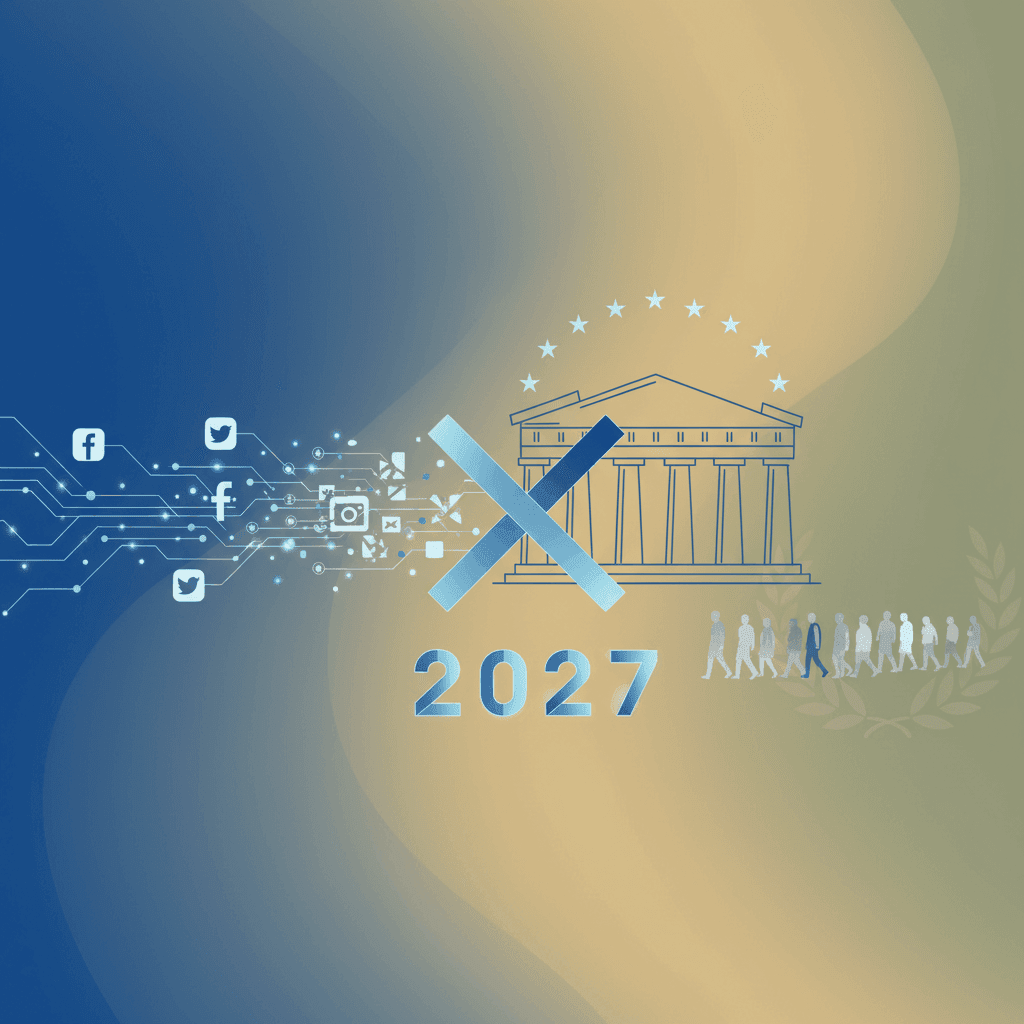
On April 8, 2026, Greece made a move that will change the digital lives of thousands of families: starting January 1, 2027, children under 15 will be officially banned from social media. This isn't just a random policy; it’s a clear sign that Greece is jumping on board with a much larger European trend to protect kids from the darker corners of the internet.
The government plans to use the EU’s Digital Services Act (DSA) to make this stick. By holding platforms accountable, they hope to end the era where apps just look the other way while ten-year-olds sign up for accounts. Greece is following in the footsteps of France, Spain, and Austria. It seems the consensus across the EU is shifting: letting kids roam free on social media is no longer seen as a harmless part of growing up.
Will WhitelistVideo Work for Your Child?
Answer 4 quick questions about your child's devices and age — get a personalized setup recommendation.
10,000+ families · FreeThe Real Reasons Behind the Ban
Why the sudden crackdown? It’s because the data on how social media affects young brains is getting harder to ignore. We’re seeing a few major issues pop up repeatedly:
- The Mental Health Hit: There is a direct link between heavy social media use and spikes in anxiety and depression. The constant pressure to look perfect and the "fear of missing out" are exhausting for adults, let alone 13-year-olds.
- Accidental Exposure: Even with filters, kids stumble onto violent or sexual content far too often. Algorithms are built to keep people watching, and sometimes that means leading kids down some pretty dark rabbit holes.
- Privacy and Predators: Most kids don’t realize that once they post something, it’s out there forever. This makes them easy targets for data mining and, more dangerously, online predators.
- The Addiction Loop: Features like infinite scroll and short-form videos are designed to be addictive. YouTube Shorts, for example, can turn a quick five-minute break into a three-hour binge, cutting into sleep, homework, and real-life play.
That last point is usually what keeps parents up at night. While YouTube has plenty of great educational videos, the "Shorts" feed is basically digital candy. This is why tools like WhitelistVideo are so helpful—they let you block the addictive Shorts entirely while keeping the useful, long-form content accessible.
What devices does your child use for YouTube?
The Enforcement Problem: Why "Restricted Mode" Fails
Passing a law is one thing; actually making it work is another. The DSA will force platforms to use better age verification, but as any parent knows, kids are usually better at tech than we are. If there’s a loophole, a teenager will find it in five minutes.
Standard tools like YouTube’s "Restricted Mode" are notoriously easy to bypass. Even "supervised accounts" have their flaws. In Australia, where they’ve discussed similar bans for under-16s, parents found that kids could easily hop onto a different Google account or use a VPN to get around the rules. The reality is that conventional blocks just aren't enough for a tech-savvy generation.
This is where a "whitelist" approach works better. Instead of trying to block the billions of bad videos out there (which is impossible), WhitelistVideo lets you pick exactly which channels your child is allowed to watch. Everything else is locked. It works at the device level, detects incognito mode, and blocks VPNs. It’s a much more realistic way to handle the problem, especially since it doesn't even require a YouTube account to work. For more on this, check out our breakdown of Chromebook vs. Personal Device Controls.
What Parents Can Do Now
New laws are a step in the right direction, but they aren't a magic fix. You’re still the one who has to manage the screen time battles at the dinner table. Relying on social media companies to police themselves has never worked well in the past, so proactive measures are still your best bet.
If you want to get ahead of the curve, WhitelistVideo offers a way to manage YouTube without the stress. Here is how it actually helps:
- Pick Your Channels: You approve the creators you trust. Your kids only see those videos, so you don't have to worry about what the algorithm might suggest next. This is the core of what we call proactive parenting.
- Kill the Shorts: You can turn off YouTube Shorts entirely. This stops the mindless scrolling and keeps the focus on intentional watching.
- One Setup for Everything: Whether they are on a Chromebook, an iPad, or your old Android phone, the rules stay the same. No more device-specific loopholes.
- Auto-pilot (Premium): If you don't want to hand-pick every channel, you can set rules for specific categories (like "Educational Only") and let the system do the heavy lifting.
- A Collaborative Approach: Kids can send a request to your phone if they find a new channel they want to watch. It turns a "no" into a conversation about what they are interested in.
These tools put you back in the driver's seat. It’s the most direct answer to the question, is YouTube safe for kids?—it is, but only if you control the environment.
Beyond the Ban: Talking to Your Kids
Bans and filters are great, but they shouldn't be the only thing you rely on. If you just lock everything down without explaining why, kids will just get better at hiding what they do. Use these new laws as a reason to talk to them about why digital privacy and mental health matter.
Explain the "why" behind the rules. Talk about how algorithms are designed to keep them hooked and why their digital footprint is permanent. Helping them build their own "internal filter" is just as important as any software you install.
Frequently Asked Questions
Q: Which countries are banning social media for minors?
A: Greece is the latest, but France, Spain, and Austria have all been moving toward similar restrictions for kids under 15 or 16.
Q: How will Greece actually enforce this?
A: They are using the EU’s Digital Services Act to force platforms to implement real age verification by January 2027.
Q: Why are they doing this now?
A: Mostly because of the link between social media and the current mental health crisis among teens, plus the addictive nature of short-form video content.
Q: Can I protect my kids without waiting for the law?
A: Yes. Tools like WhitelistVideo let you set up a safe, "approved-only" version of YouTube right now, regardless of what the current laws are.
The Bottom Line
Greece’s decision to ban social media for under-15s is a big deal. It shows that governments are finally tired of waiting for tech companies to protect kids. But 2027 is a long way off. For parents today, the responsibility still falls on us. Using a tool like WhitelistVideo gives you a way to protect your kids right now, ensuring their time online is actually spent learning and exploring safely, rather than just scrolling away the hours.
Take Control of Your Child's YouTube
Whitelist specific channels, block Shorts, and ensure a safe, enriching viewing experience for your kids.
Frequently Asked Questions
Greece is the latest to announce a ban for under-15s, following similar discussions and actions in France, Spain, and Austria, as part of a broader European movement towards stricter online protection for minors.
Greece plans to enforce the ban through the EU's Digital Services Act (DSA), requiring social media platforms to implement robust age verification mechanisms to prevent access by children under 15 from January 1, 2027.
The bans are primarily driven by growing concerns over the negative impacts of social media on children's mental health, exposure to inappropriate content, privacy risks, and the highly addictive nature of certain platform features like short-form videos.
While regulations are crucial, parents can proactively use tools like WhitelistVideo to ensure a safe online environment. WhitelistVideo allows parents to whitelist specific YouTube channels, block addictive features like Shorts, and enforce controls across all devices, ensuring children only access approved content.






Published April 13, 2026 · Updated May 18, 2026

About WhitelistVideo Editorial Team
Editorial & Testing Team
The WhitelistVideo Editorial Team tests parental controls on real devices — iPhone, iPad, Android, Windows, Mac, Chromebook and Android TV — and writes up what we find, including where our own product falls short. Where a claim comes from a vendor's own documentation or from third-party testing, we cite it. Articles are reviewed by Arul Prakash, the founder of WhitelistVideo.
You Might Also Like
Brazil's Landmark Law: New Age Verification & Parental Controls
Brazil's landmark law now mandates parental consent for under-16 social media users and robust age verification, setting a global precedent for child online safety.
School Chromebook vs Personal Device: Why Home Controls Fall Short (2026)
School Chromebooks have strong controls, but personal devices are unprotected. Learn the differences and how to protect YouTube on both.
Parental Controls for Young Kids: Why Whitelisting Beats Monitoring (Under 10)
Young children under 10 need prevention, not monitoring. Learn why the whitelist approach is perfect for this age group and how it differs from controls for teenagers.
Curious what Google knows about us?
Add WhitelistVideo as a trusted source on Google — get instant context on how families keep kids safe on YouTube.
Ask Google about WhitelistVideo