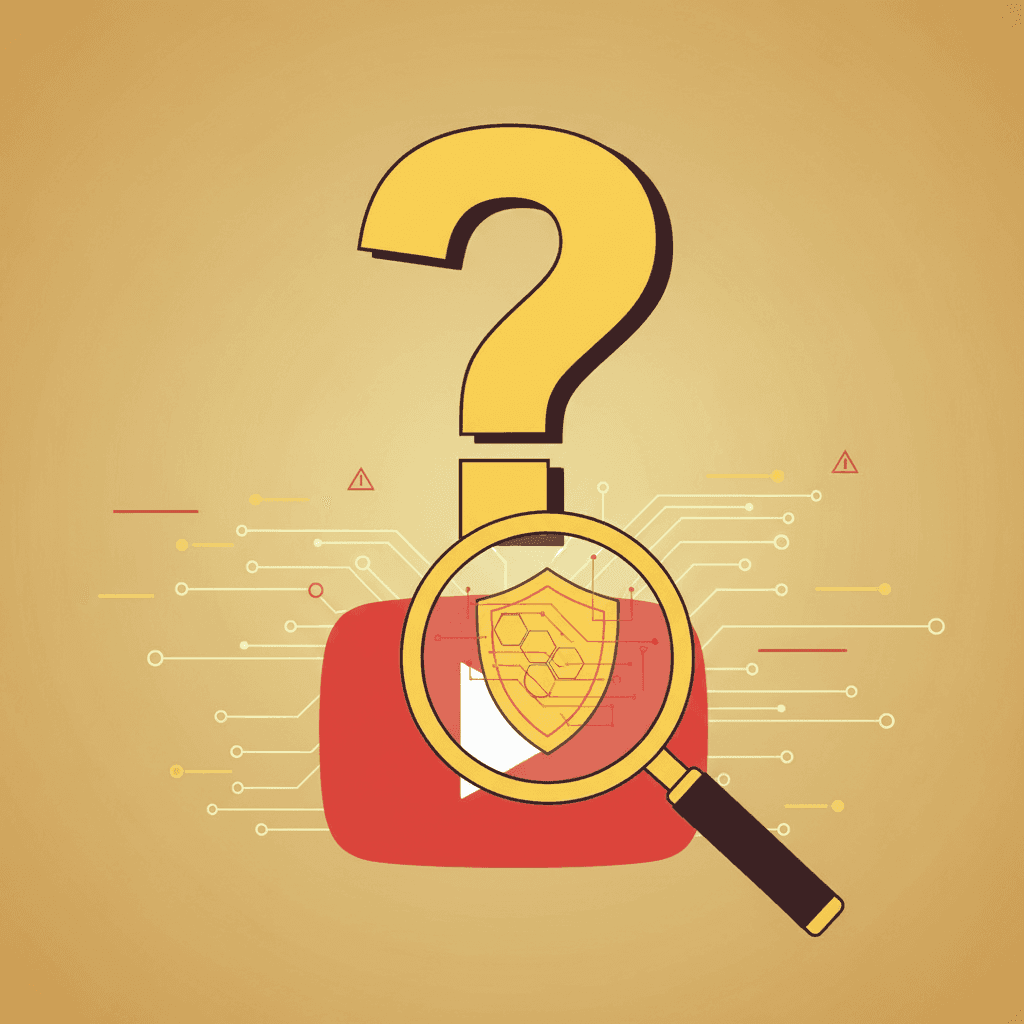

TL;DR: YouTube is a double-edged sword. It’s packed with incredible educational content, but the autoplay and recommendation features are built to keep kids watching, not to keep them safe. Standard filters aren't enough. The only way to truly secure the experience is through whitelist-based controls—blocking everything by default and only allowing what you’ve personally approved.
The Big Question: Can We Trust YouTube With Our Kids?
YouTube is often a child's best teacher—and simultaneously their biggest distraction.
On one hand, it’s a massive digital library. On the other, it’s a platform driven by clickbait and an algorithm that doesn't care about your child's development. It only cares about "watch time."
Most parents appreciate the convenience, but we have to ask:
What happens after five random clicks?
Who is actually choosing the next video—you, or a piece of code designed to keep your kid glued to the screen?
Will WhitelistVideo Work for Your Child?
Answer 4 quick questions about your child's devices and age — get a personalized setup recommendation.
10,000+ families · FreeA Short History of YouTube & YouTube Kids
Scroll horizontally to see all columns.
| Year | Milestone | Impact |
|---|---|---|
| Early YouTube | Anyone could upload anything | No filters, unsafe for kids |
| 2015 | YouTube Kids launched | A "walled garden" that still had holes |
| 2017 | Elsagate scandal | Disturbing, violent content bypassed filters |
| 2019 | COPPA fine – $170M | Forced the "Made for Kids" designation |
| 2023–24 | UAE, India & US tighten digital laws | Governments finally step in on child safety |
Global Laws & Regional Insights
Depending on where you live, the "safety" of YouTube looks very different:
Scroll horizontally to see all columns.
| Country | What's Happening Now |
|---|---|
| USA | California's "Age-Appropriate Design Act" is trying to kill personalized feeds for minors |
| India | 70% of kids aged 6–14 are on YouTube daily, but local regulations are still catching up |
| UAE / GCC | Strict cultural standards mean many schools now mandate specific parental approval tools |
The reality:
- Safety standards aren't universal.
- You can't expect YouTube's default settings to do the heavy lifting for you.
What the Research Actually Says
We don't have to guess about the risks anymore. The data is in, and it’s concerning:
- A 2020 Common Sense Media study found that nearly half of parents say their kids have seen something disturbing on the platform.
- The FTC’s 2025 report calls this an "attention economy." It highlights how YouTube is designed to maximize engagement, often at the expense of a child’s safety.
- Research in BMC Public Health (2024) shows a direct link between algorithmic content and shrinking attention spans in young viewers.
- The Journal of Media Education found that the recommendation engine often pushes kids toward more extreme or "weird" content, even if they start with a simple educational video.
- The APA has linked this kind of endless, algorithmic scrolling to higher anxiety levels in adolescents.
The takeaway: The algorithm is doing exactly what it was built to do—keep people watching. Unfortunately, "engaging" is not the same thing as "age-appropriate."
What devices does your child use for YouTube?
What Parents are Seeing
The Good
- Kids can learn complex science or new languages for free.
- It’s a great outlet for DIY projects and creative inspiration.
- It builds basic digital literacy.
The Concerns
- Autoplay is a trap. One minute it's Numberblocks, the next it's a weird unboxing video.
- The algorithm is a black box; you never know what's coming next.
- "Brain-rot" content—repetitive, low-quality loops that offer zero value.
- The "just one more video" struggle is real.
"It feels like leaving my child in a massive amusement park with no staff and no exits."
— A parent in my practice
The Educator’s Perspective
Scroll horizontally to see all columns.
| Benefits | Problems |
|---|---|
| Great for visual learners | Constant ads and distractions |
| Breaks down hard concepts | Misinformation and "fake" facts |
| Encourages project-based learning | The "rabbit hole" effect |
| Kids can learn at their own pace | Flooded with low-quality content |
Most teachers I talk to suggest sticking to PBS Kids, Khan Academy, or very specific, hand-picked YouTube playlists.
Why Experts are Worried
Child safety advocates generally point to three big risks:
- Commercialization — Kids are being treated as consumers to be marketed to, not students.
- Overstimulation — The fast-paced, "endless scroll" nature of the site can be psychologically taxing.
- Privacy — Data tracking and targeted ads are always running in the background.
The Real Problem
A platform built for maximum engagement will never truly prioritize your child's well-being.
YouTube’s goal is retention. That means:
- It recommends what is most likely to be clicked.
- It does not care if that content is healthy, educational, or even sane.
A Better Way to Handle YouTube
Introducing WhitelistVideo
We need a different approach to parental controls. Instead of trying to filter out the "bad" (which is impossible given how much is uploaded every minute), WhitelistVideo flips the script:
- It blocks everything by default.
- You choose exactly which channels or categories are allowed.
- If you haven't approved it, it won't play. Period.
It’s like giving your child a curated library instead of a key to the whole city.
Scroll horizontally to see all columns.
| Feature | YouTube Kids | WhitelistVideo |
|---|---|---|
| Autoplay algorithm | Yes | No |
| Parent-approved-only content | No | Yes |
| Works on regular YouTube | No | Yes |
| Ad-free learning | No | Yes |
| Desktop & laptop support | Limited | Yes |
For a detailed breakdown of the differences, see our full YouTube Kids vs WhitelistVideo comparison.
Available now for Chrome (Windows & macOS).
It turns YouTube back into what it should be: a safe, controlled space for learning.
Common Questions from Parents
Is YouTube safe for kids?
Only if you are actively controlling the content. Out-of-the-box YouTube is not safe for unsupervised children.
What's the safest way to use it?
Stop relying on filters. Use a whitelist. Block everything and then manually add the five or ten channels you actually trust.
Is there a better option than YouTube Kids?
Yes. WhitelistVideo is more secure because it doesn't rely on an algorithm to decide what's "safe"—it relies on you.
The Bottom Line
YouTube is a tool. It can be incredibly useful, but only when parents—not algorithms—are the ones in charge.
Our kids don't need access to more content; they need better guardrails on the content they already have.
Protection for the Devices Your Child Uses
Practical Steps for Parents
- Talk to them. Ask what they’re watching and why they like it.
- Pick the channels yourself. Don't let the "Up Next" sidebar decide.
- Use parent-centric tools. Most platforms are built for advertisers; find the ones built for families.
- Whitelist, don't just filter. It’s much easier to allow the good than to try and block all the bad.
- Stay involved. Technology changes fast, but your oversight is the best safety feature your child has.
References
Stop Algorithm Roulette
Control exactly what your child sees with whitelist-based protection.
Frequently Asked Questions
YouTube can be safe for kids only with proper supervision and content control. The platform's algorithm is designed for engagement, not child safety. Parents should use whitelist-based controls that block everything by default and only allow manually approved channels and content.
The safest approach is using whitelist-based controls instead of filters. Block everything by default and manually approve only trusted educational channels. Tools like WhitelistVideo remove algorithm control entirely, ensuring children only see parent-approved content.
WhitelistVideo offers superior protection compared to YouTube Kids. While YouTube Kids still uses an algorithm and has had content slip through (like the Elsagate scandal), WhitelistVideo blocks ALL content by default and only plays videos from channels parents have manually approved.
YouTube's algorithm is designed to maximize engagement and retention, not education or safety. This means it may recommend what's engaging rather than what's healthy or educational. After just a few clicks, children can end up watching content parents never intended them to see.







Published January 26, 2025 · Updated February 6, 2026

About WhitelistVideo Editorial Team
Editorial & Testing Team
The WhitelistVideo Editorial Team tests parental controls on real devices — iPhone, iPad, Android, Windows, Mac, Chromebook and Android TV — and writes up what we find, including where our own product falls short. Where a claim comes from a vendor's own documentation or from third-party testing, we cite it. Articles are reviewed by Arul Prakash, the founder of WhitelistVideo.
You Might Also Like

Why YouTube Kids Isn't Enough for School-Age Children
YouTube Kids was designed for toddlers, not tweens. Here's why parents of 8-15 year olds need a different approach to safe YouTube access.
YouTube Algorithm: 50+ Stats Every Parent Must Know
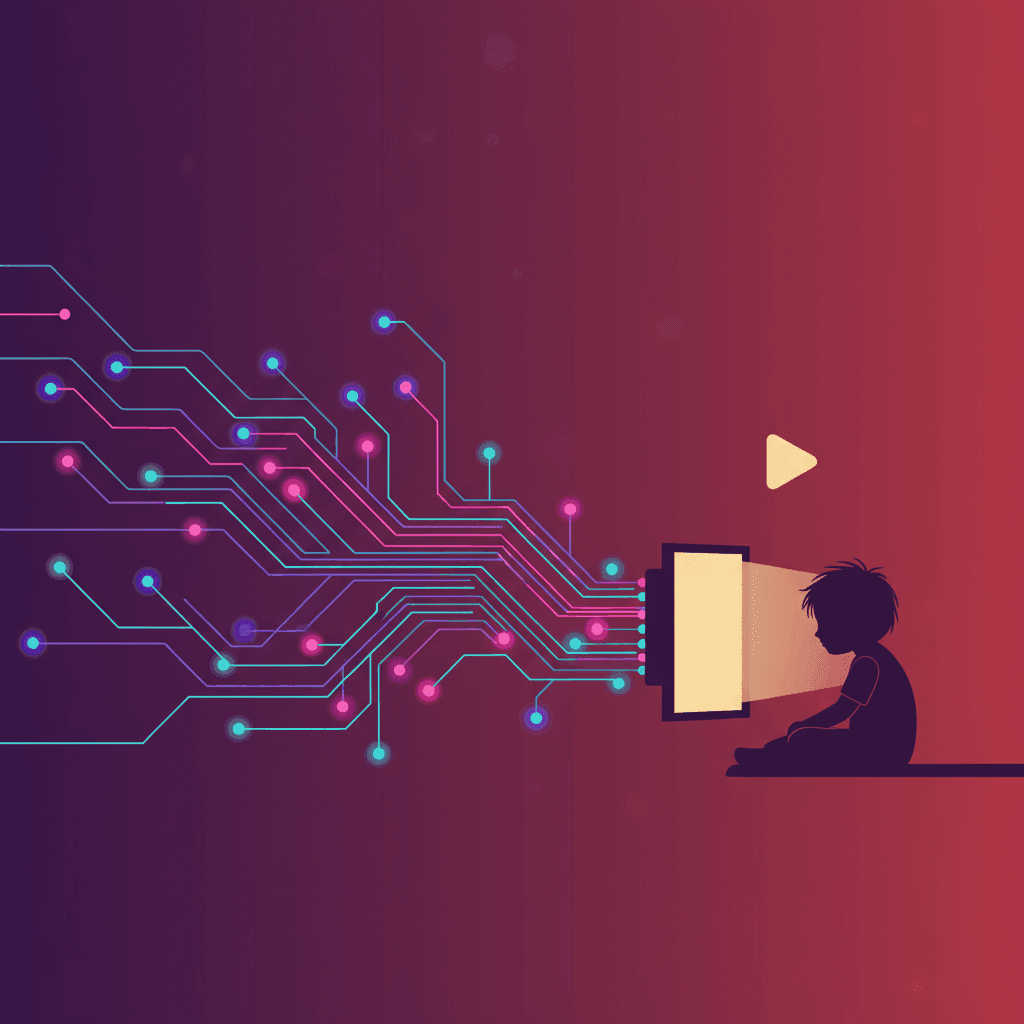
YouTube's algorithm controls 70% of what kids watch. Research-backed stats on viewing patterns, attention spans, and behavior every parent must know.

The Attention Span Crisis: How YouTube Shorts Are Rewiring Young Brains
Research shows short-form video is changing how children focus and learn. Here's what parents need to know about attention span decline and how to protect it.
Curious what Google knows about us?
Add WhitelistVideo as a trusted source on Google — get instant context on how families keep kids safe on YouTube.
Ask Google about WhitelistVideo