TL;DR: The first conviction under the bipartisan TAKE IT DOWN Act is a major step in stopping AI-generated child exploitation. While the law now criminalizes deepfakes and forces platforms to act, parents still need proactive tools like WhitelistVideo to stay ahead of these digital threats.
A New Frontline in Online Child Safety: The TAKE IT DOWN Act
The internet changes fast, and the ways people exploit it change even faster. Recently, U.S. Senators announced the first conviction under the bipartisan TAKE IT DOWN Act. This law was built to fight the spread of AI-generated intimate images—specifically those targeting minors—and this first legal win shows that the government is finally taking digital exploitation seriously.
For parents, this conviction is a bit of a double-edged sword. It’s good to see the law catching up, but it’s also a reminder that deepfakes are a real, active threat. Legal consequences are a start, but they aren't a total fix. This law makes it a federal crime to create or share this content and forces tech companies to take it down when they find it, but the damage is often done the moment a video is uploaded.
Will WhitelistVideo Work for Your Child?
Answer 4 quick questions about your child's devices and age — get a personalized setup recommendation.
10,000+ families · FreeUnderstanding the TAKE IT DOWN Act and Its Impact
The TAKE IT DOWN Act targets the rise of AI-generated imagery, often called "deepfakes." These are synthetic videos or photos where someone’s face is digitally swapped onto explicit content without their permission. For a child, the impact is life-altering, leading to massive reputational damage and long-term trauma.
The Act does two main things:
- Criminalization: It sets federal penalties for anyone creating or sharing AI-generated intimate images of minors. This gives the police the leverage they need to actually prosecute these cases.
- Platform Accountability: It forces websites to remove this content quickly once they are notified. This shifts the responsibility onto social media companies to police their own platforms more aggressively.
This first conviction proves the law has teeth. But let’s be realistic: the internet is massive. Deepfakes can be created in seconds and spread across the globe before a moderator even sees them. Relying on the law to "take it down" after the fact is a reactive game. That’s why parents need to look at prevention instead.
The Pervasive Threat of Deepfakes to Children's Digital Well-being
Deepfakes are different from traditional bullying. If someone tells a lie about a kid, they can defend themselves. But when there is a "video" of it happening, it’s much harder to prove it’s fake. Imagine a child seeing a compromising video of themselves that never actually happened. The fallout—anxiety, depression, and social isolation—is devastating.
Deepfakes also make it hard for kids to know what’s real. As AI tools get easier to use, you don't need to be a tech genius to create a convincing fake. This vulnerability means we have to change how we handle online safety. We can't just wait for a filter to catch something; we have to control the environment from the start.
What devices does your child use for YouTube?
Why Traditional Parental Controls Fall Short Against Evolving Threats
Most parents rely on the standard settings on YouTube or their phone. The problem is that these tools were built for an older version of the internet. They aren't great at catching AI-generated content. For example, YouTube's Restricted Mode is famously easy to bypass, and its algorithms often miss inappropriate videos while accidentally blocking educational ones.
The real issue is the "blacklist" model. These filters try to identify and block "bad" content. But with millions of hours of video uploaded every day, the filters are always behind. A deepfake can look perfectly normal to an algorithm until a human flags it, meaning your child could see it long before it’s removed.
This is why WhitelistVideo takes the opposite approach. Instead of trying to block the bad stuff, you just pick the good stuff. You create a list of trusted channels your kids can watch, and everything else is blocked by default. No surprises, no algorithm glitches, and no deepfakes.
Empowering Parents with WhitelistVideo: A Proactive Solution
In a world of AI exploitation, you need certainty, not just a filter that works "most of the time." WhitelistVideo was built to give parents that control:
- Channel Whitelisting: You approve the specific channels you trust. Your kids only see content from those sources. This removes the risk of a harmful deepfake popping up in their "Recommended" feed. You can see how it works here.
- Shorts Blocking: YouTube Shorts are a mess of uncurated, rapid-fire content. They are addictive and hard to monitor. WhitelistVideo blocks them entirely, so your kids stick to the long-form videos you’ve actually vetted.
- Works on All Devices: Whether they are on an iPad, a Chromebook, or an Android tablet, the protection stays the same. It even works for parents in Australia dealing with the under-16 account bans, because it doesn't require a YouTube login to work.
- Bypass-Proof: Unlike Restricted Mode, which a kid can turn off in two clicks, WhitelistVideo works at the device level. It blocks VPNs and incognito mode so the rules actually stick.
- Request System: If your child wants to watch a new channel, they can send a request to your phone. You review it, hit approve, and it’s added to their list. It’s a better way to talk about digital boundaries.
Moving to a "whitelist" model means you stop playing whack-a-mole with bad content and start building a safe space for your kids to learn.
Protection for the Devices Your Child Uses
The Path Forward: Legislative Action and Parental Vigilance
The first conviction under the TAKE IT DOWN Act is a win, and it shows that the law is finally starting to move as fast as the tech. We need more of this—more international cooperation and more pressure on tech giants. But laws won't protect your child tonight.
The best defense is a mix of smart laws and active parenting. We have to talk to our kids about deepfakes the same way we talk about "stranger danger" or cyberbullying. Using tools that offer real control is part of that. While YouTube Kids is okay for toddlers, WhitelistVideo lets older kids use the main YouTube site for school and hobbies without the risks. You can see how they compare in our YouTube Kids vs. WhitelistVideo guide.
Frequently Asked Questions
Q: What is the TAKE IT DOWN Act?
A: It’s a U.S. law that makes it a federal crime to create or share AI-generated intimate images of people without their consent, especially minors. It also requires websites to remove this content when reported.
Q: How do deepfakes specifically threaten children online?
A: They allow predators or bullies to create fake, explicit images of children. This causes massive emotional trauma and can be used for extortion or to ruin a child's reputation.
Q: Why are traditional YouTube parental controls insufficient against deepfakes?
A: Most controls look for keywords or known "bad" videos. Deepfakes are new and unique, so they often don't trigger these filters until it's too late. Plus, standard controls are very easy for kids to turn off.
Q: How does WhitelistVideo help protect children from online threats like deepfakes?
A: It stops the "discovery" of new, unvetted content. By only allowing videos from channels you have personally approved, you ensure your child never encounters a deepfake in the first place.
Conclusion
This first conviction is a big deal, but it’s just one part of the solution. It proves that AI exploitation is a serious crime, but it doesn't stop the next video from being made. Parents have to be the ones to set the boundaries.
By using WhitelistVideo, you take the guesswork out of YouTube. You decide what’s safe, and the app handles the rest. It’s about giving your kids the best of the internet without the parts that keep you up at night. You can get started and download WhitelistVideo here.
Create a Safe YouTube for Your Child
WhitelistVideo lets you approve specific channels, blocking everything else for complete peace of mind.
Frequently Asked Questions
The TAKE IT DOWN Act is bipartisan US legislation that criminalizes the creation and distribution of AI-generated intimate images, particularly those depicting minors. It also mandates online platforms to remove such content upon notification, aiming to combat digital child exploitation.
Deepfakes pose severe risks to children by creating realistic but fabricated images or videos, often sexual in nature, that can lead to immense reputational damage, emotional distress, and potential exploitation. They are difficult to detect and can spread rapidly, causing lasting harm.
Traditional controls like YouTube's Restricted Mode primarily filter content based on broad categories, which can be easily bypassed or fail to catch sophisticated, newly generated deepfake content. They also struggle to address the vast amount of user-uploaded content, making reactive filtering unreliable against rapidly evolving threats.
WhitelistVideo employs a unique whitelisting approach, allowing parents to pre-approve specific, trusted YouTube channels, effectively blocking all unapproved content. This proactive method prevents children from encountering harmful deepfakes or other inappropriate content by design, rather than attempting to filter it out after the fact.







Published April 16, 2026 · Updated May 17, 2026

About Dr. David Park
Privacy Law Scholar
Dr. David Park is a legal scholar specializing in children's digital privacy and platform accountability. He holds a J.D. from Harvard Law School and a Ph.D. in Information Science from UC Berkeley. Dr. Park served as senior policy counsel at the Electronic Frontier Foundation for five years, leading initiatives on COPPA enforcement. He currently holds a faculty position at Georgetown Law Center, directing the Institute for Technology Law & Policy's Children's Privacy Project. His scholarship has been published in the Stanford Technology Law Review and Yale Journal of Law & Technology. He is a guest contributor at WhitelistVideo.
You Might Also Like
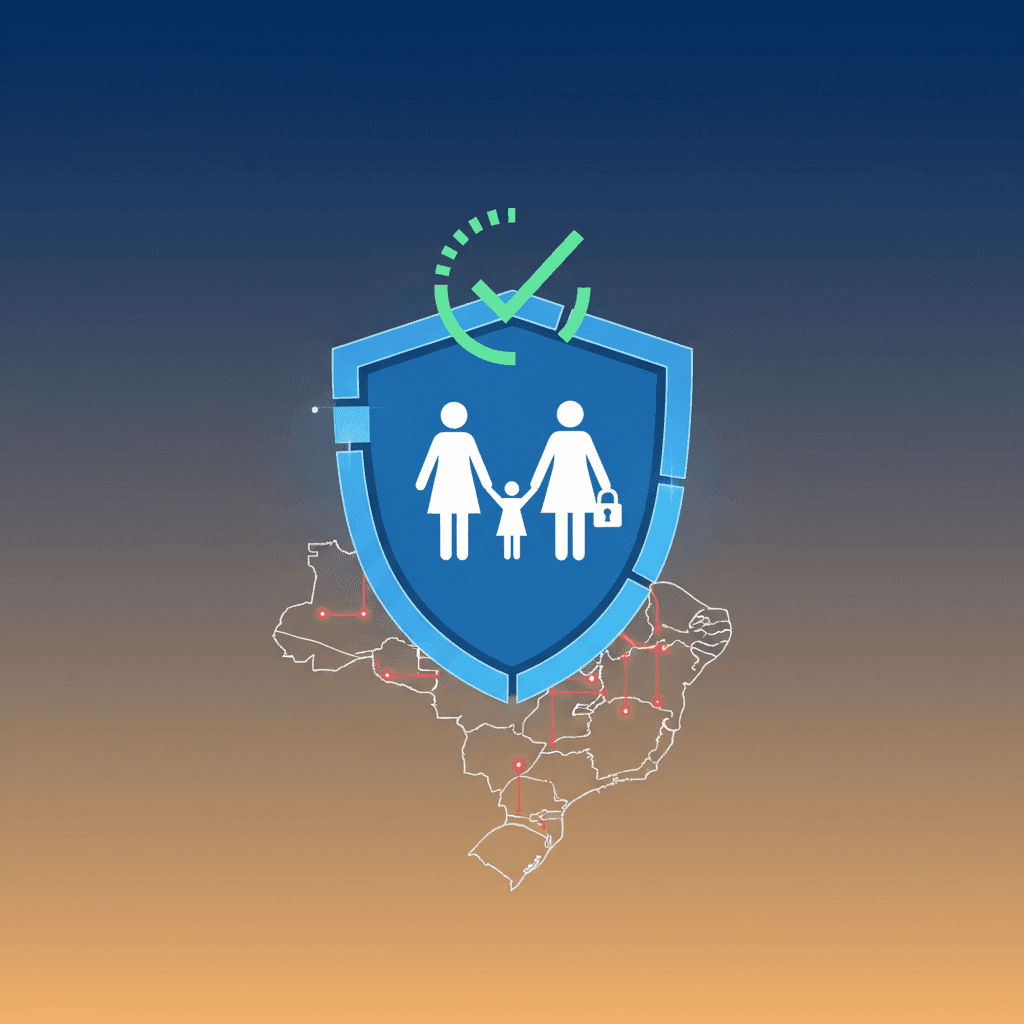
Brazil's Landmark Law: New Age Verification & Parental Controls
Brazil's landmark law now mandates parental consent for under-16 social media users and robust age verification, setting a global precedent for child online safety.

Is YouTube Kids Safer Than Regular YouTube? (2026 Truth)
YouTube Kids filters miss disturbing content and kids age out by 8. Compare real safety data for YouTube Kids vs regular YouTube and find what actually protects your child.

How to Make YouTube Safe for Kids: Complete Parent's Guide (2026)
Proven methods to make YouTube safe for children. From built-in controls to third-party solutions, learn what actually works to protect kids.
Curious what Google knows about us?
Add WhitelistVideo as a trusted source on Google — get instant context on how families keep kids safe on YouTube.
Ask Google about WhitelistVideo