YouTube isn’t banned for kids in India. Not yet, anyway. But the clock is ticking. By May 2027, India’s Digital Personal Data Protection (DPDP) Act will force Google to get "verifiable parental consent" for anyone under 18. In plain English? Google is going to have to check your child’s ID and ask for your permission before they can watch a single video. Here is the reality of what’s coming and how you can get ahead of it.
Will WhitelistVideo Work for Your Child?
Answer 4 quick questions about your child's devices and age — get a personalized setup recommendation.
10,000+ families · FreeIs YouTube banned for kids in India?
No. Right now, in June 2026, it’s still the Wild West. Your child can open a Google account, fire up YouTube, and watch whatever the algorithm throws at them. There are no mandatory age checks or parental consent forms required to get started.
But that window is closing.
The DPDP Act, passed back in 2023, finally gets its teeth in May 2027. When those rules kick in, YouTube can’t legally touch a minor's data without a parent saying it’s okay. This isn't just a suggestion; the government is serious about enforcement, and the penalties for tech giants are massive.
We’ve seen this movie before. When Australia passed its own age-limit laws, Google deactivated 4.5 million accounts for users under 16 almost overnight. Parents had a tiny window to save their data before everything—playlists, history, subscriptions—was wiped. India’s law is even tougher. While Australia stopped at 16, India defines a "child" as anyone under 18. Given that India is YouTube’s biggest market, the transition is going to be a massive headache for millions of families.
What is the DPDP Act and why should parents care?
The Digital Personal Data Protection Act 2023 is India’s big move to police the internet. It’s similar to the laws they have in Europe or the US, but it goes much further when it comes to kids.
Here is what you actually need to know:
The 18-year-old cutoff. In India, you are legally a child until you turn 18. This is a higher bar than the US (13) or the EU (16). If you have a 17-year-old at home, the law treats them the same as a 7-year-old.
Consent must be "verifiable." A simple "I am over 18" checkbox won't work anymore. Platforms have to prove that a parent actually gave the green light. This usually means linking accounts or providing some form of ID.
No more targeted ads. The law bans platforms from tracking kids to show them ads. Since YouTube’s entire business is built on tracking what you watch to sell you things, this breaks their current model for younger users.
Mandatory age checks. YouTube can't just take a user's word for it anymore. They have to actively verify how old someone is before letting them on the platform.
Huge fines. If Google messes this up, they face fines of up to Rs 250 crore ($30 million USD) per slip-up. They aren't going to take that risk, which means they will likely be very aggressive about locking unverified accounts.
What devices does your child use for YouTube?
What's likely to happen to YouTube in India by May 2027
Google hasn't laid out the full roadmap yet, but we can guess the plan based on what they did in Australia and Europe:
ID checks for everyone. Expect to see prompts asking for Aadhaar-based verification or AI face-scans to prove your age. If you can't prove you're an adult, you'll be treated as a child.
Link or lose it. If your child is under 18, Google will likely demand you link their account to yours via Family Link. If you don't, the account will probably be suspended. In Australia, parents only got 30 days to figure this out before accounts were killed.
YouTube Kids by default. For the younger crowd, Google will likely push everyone toward the YouTube Kids app, while teenagers (13-17) will get a "supervised" version of the main site—both of which will require your digital signature.
The India Scale. Because India has over 200 million young users, Google can't just flip a switch without causing chaos. They’ll likely lean hard on Aadhaar to make the process faster, but it’s still going to be a bumpy ride.
The bottom line: if your kid is using a "ghost" account with a fake birth year, that account is probably going to disappear by next year.
YouTube parental controls available in India right now
You don't have to wait for the government to act. If your kid is on an Android device (like most of India), you have a few options today.
Google Family Link
This is the standard tool. It’s free and built into Android. You install it on your phone, create an account for your kid, and then you can see what they’re doing. You can set "bedtimes" for the phone and choose between three levels of YouTube access: "Kids only," "Supervised," or "Most of YouTube." It’s good for general limits, but it’s not great at blocking specific channels you don't like.
YouTube Restricted Mode
This is a simple toggle in the YouTube settings. It tries to hide "mature" content. It’s better than nothing, but let’s be honest: any kid over the age of eight can figure out how to turn it off in five seconds. It’s a weak shield.
YouTube Kids App
This is a separate app for the under-12 crowd. It’s a walled garden. You can block specific videos and it’s much safer, but teenagers hate it. It also misses out on a lot of the great educational content—like board exam prep or coaching channels—that Indian students actually need.
Protection for the Devices Your Child Uses
WhitelistVideo for Indian families
Most parents I talk to don't want a "filter" that guesses what's safe. They want to pick the five or ten channels they actually trust and block everything else. That is where WhitelistVideo comes in.
Instead of trying to block the "bad" stuff, you just approve the "good" stuff. If it’s not on your list, they can’t watch it. No rabbit holes, no weird recommendations, and no "accidental" clicks on garbage content.
How to set it up:
1. Grab the app from the Play Store (search for com.whitelistvideokids).
2. Set up your parent account at app.whitelist.video.
3. Add the channels you trust. For Indian students, this usually means adding Physics Wallah, Vedantu, or Khan Academy Hindi. You can add as many or as few as you want.
4. Your child watches through the WhitelistVideo app. They get the YouTube content they need, but the algorithm is completely disabled.
Since almost everyone in India uses Android or Android TV, this is a lifesaver. It’s free to start, doesn't require a credit card, and—most importantly—it doesn't care about the DPDP Act. It works independently of Google’s upcoming age-verification mess, so you won't have to worry about your settings breaking when the law changes in 2027.
Preparing for the DPDP Act: what to do now
May 2027 will be here before you know it. Don't wait for the day Google locks you out to start thinking about this.
- Save their data. Go to takeout.google.com and download your child’s history and subscriptions. If the account gets nuked during the transition, at least you’ll have a record of what they liked.
- Get on Family Link now. It’s easier to set up the "supervised" structure now while things are calm than to do it during the 2027 rush.
- Use WhitelistVideo as a backup. It gives you a level of control that Google’s broad filters just can't match.
- Talk to your kids. If you have teenagers, they’re going to be annoyed when these restrictions hit. Explain that it’s a change in Indian law, not just you being "strict." It helps to frame it as a technical requirement we all have to deal with.
- Audit their watch history. Take ten minutes to see what they’re actually watching. You might find channels you want to whitelist—or some you definitely want to block.
The Bottom Line
- YouTube isn't banned, but the rules are changing for everyone under 18 in May 2027.
- India’s age limit is high. Even 17-year-olds will need a parent’s digital signature to stay on the platform.
- Accounts are at risk. If you don't link your child's account to a parent account, expect it to be restricted or deleted when the law kicks in.
- Start now. Set up Family Link and WhitelistVideo today so you aren't scrambling when the deadline hits.
YouTube parental controls in other countries: we keep the same kind of guide for Canada, France, Germany, Japan and Poland, plus the UK guide and the Australia page.
Don't Wait for the DPDP Act
Set up YouTube controls now. Works on every Android device in India.
Frequently Asked Questions
No, not yet. YouTube operates without age restrictions in India as of June 2026. However, India's DPDP Act will require 'verifiable parental consent' for processing data of anyone under 18 by May 2027. This will likely force YouTube to implement age verification and parental consent for Indian users under 18 — similar to what happened in Australia.
The Digital Personal Data Protection Act 2023 is India's data privacy law. Its children's provisions (effective May 2027) require platforms to get verifiable parental consent before processing data of users under 18. For YouTube, this means age verification, potential account restrictions for minors, and an end to targeted advertising to children in India.
When the DPDP Act's children's provisions take effect in May 2027, Google will likely need to either verify ages and get parental consent for under-18 accounts, or remove/restrict those accounts — similar to Australia where 4.5 million under-16 accounts were deactivated. Indian parents should prepare now.
Use Google Family Link to create a supervised account, enable Restricted Mode, and set time limits. For channel-level control, install WhitelistVideo from the Play Store — it works without age-verification requirements and lets you approve exactly which channels your child can access.







Published June 26, 2026 · Updated September 21, 2026

About Dr. Jennifer Walsh
Digital Literacy Educator
Dr. Jennifer Walsh is an educational technology specialist with over 20 years of experience in K-12 settings. She earned her Ed.D. in Instructional Technology from Columbia University's Teachers College and her M.Ed. from the University of Virginia. Dr. Walsh served as Director of Educational Technology for Fairfax County Public Schools, overseeing device deployment and safety policies for 180,000 students. She has trained over 5,000 teachers on digital citizenship curricula and consulted for ISTE on student digital safety standards. Her book "Connected Classrooms, Protected Students" (Harvard Education Press, 2021) is used in teacher preparation programs nationwide. She is a guest contributor at WhitelistVideo.
You Might Also Like

Does the Social Media Ban Include YouTube? Country-by-Country Guide (2026)
Which countries ban YouTube for kids? Australia, UK, Indonesia, and Brazil all restrict YouTube for minors. Full country-by-country breakdown of what's actually banned.
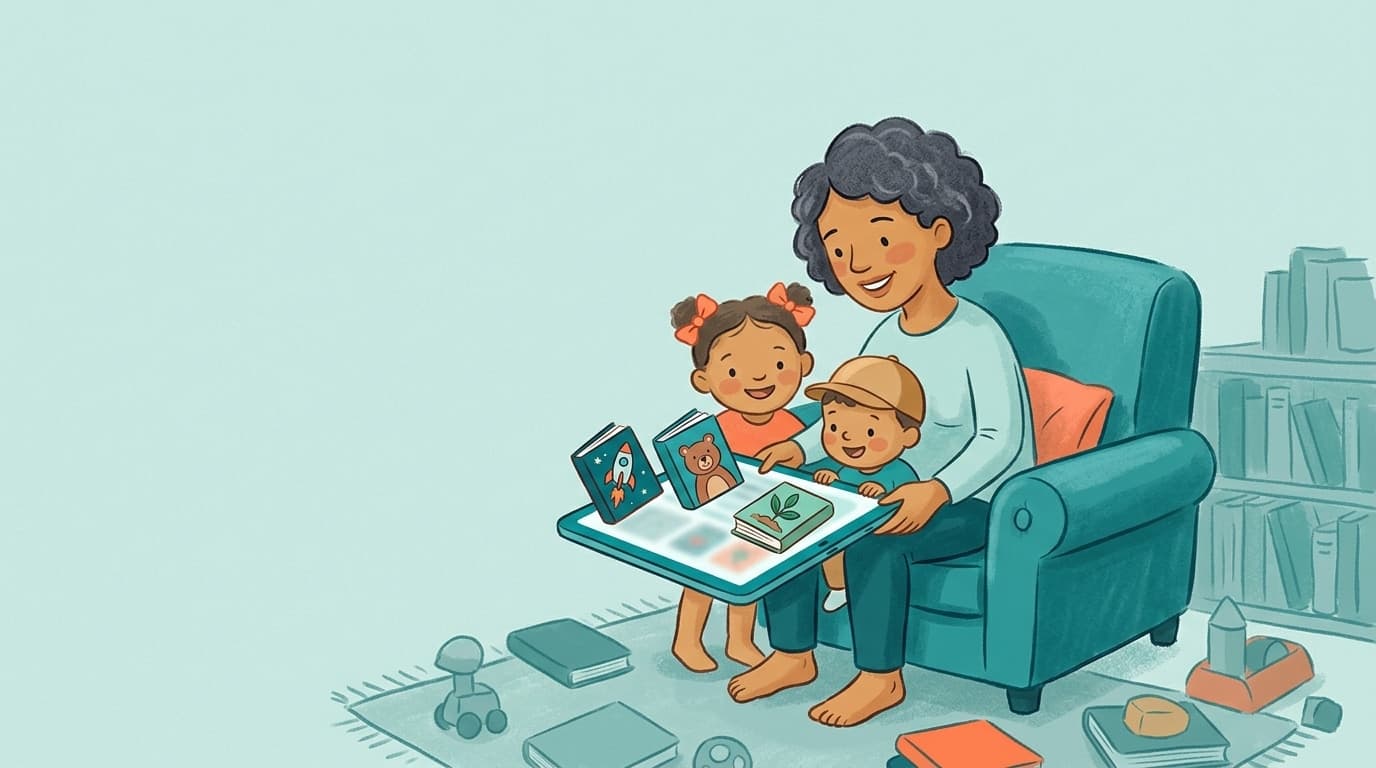
YouTube Parental Controls on Android: Complete Setup Guide (2026)
How to put parental controls on YouTube on Android phones and tablets. Step-by-step setup using Family Link, YouTube app settings, and WhitelistVideo.
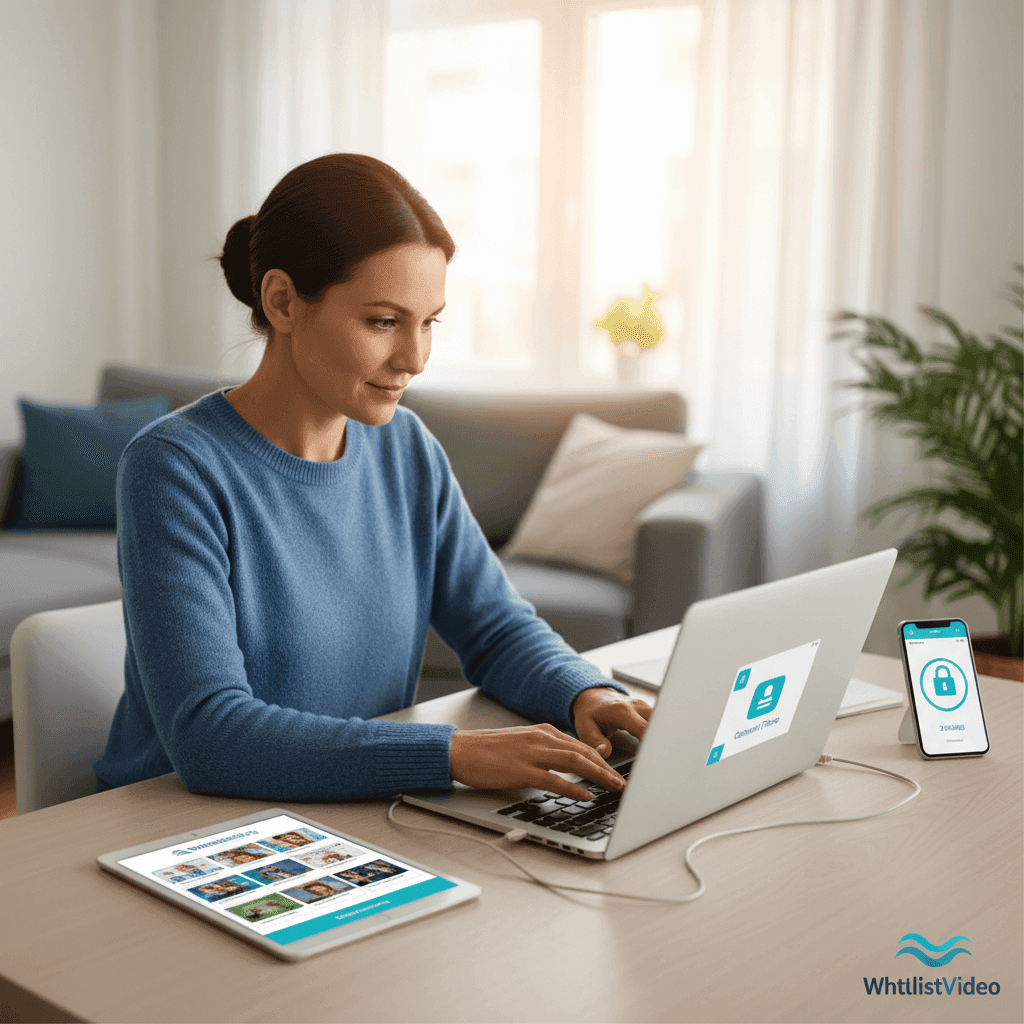
YouTube Parental Controls: The Ultimate Setup Guide (2026)
Complete guide to YouTube parental controls. Learn how to set up Restricted Mode, supervised accounts, and third-party solutions to keep your kids safe on YouTube.
Curious what Google knows about us?
Add WhitelistVideo as a trusted source on Google — get instant context on how families keep kids safe on YouTube.
Ask Google about WhitelistVideo