
TL;DR: The Kids Online Safety Act (KOSA) is finally moving in Congress after several juries held social media companies liable for harming teen mental health. While the law aims to force a "duty of care" on these platforms, it’s still a slow process. Parents shouldn't wait for a bill to pass—tools like WhitelistVideo can secure a child's YouTube feed today.
The Turning Tide: KOSA's Renewed Urgency
KOSA has been stuck in the Senate for years. Despite bipartisan support, tech lobbyists have done a good job of keeping it stalled. But the wind is changing. Recent court cases have actually held social media companies responsible for the mental health crisis among teens. These aren't just headlines anymore; they're legal precedents.
Juries are essentially saying that addictive algorithms aren't just "features"—they're dangerous designs. This legal pressure has given KOSA the push it needed to actually become law. The goal is simple: force platforms to prioritize kids' safety over their own engagement metrics.
At its core, KOSA wants to impose a "duty of care" on social media companies. This means they would be legally required to prevent and mitigate harms to minors. It’s not just about blocking explicit content; it’s about forcing companies to rethink how their products affect a child's development.
Will WhitelistVideo Work for Your Child?
Answer 4 quick questions about your child's devices and age — get a personalized setup recommendation.
10,000+ families · FreeThe Silent Epidemic: Social Media's Toll on Youth
These court cases didn't happen in a vacuum. We’re seeing record levels of anxiety and depression in kids, and the link to social media use is hard to ignore. The platforms are designed to be addictive. Infinite scrolling and constant notifications are meant to keep kids glued to the screen, often at the cost of their sleep and self-esteem.
YouTube Shorts is a prime example. It’s a dopamine loop that’s fueling an attention span crisis. Lawmakers are still arguing over the fine print of KOSA, but parents are dealing with this every afternoon. You can’t really afford to wait for a bill to clear the Senate.
This is where taking the lead on parental controls becomes necessary. While KOSA aims to enforce a "duty of care" from the top down, parents can do it themselves right now. For YouTube, you need tools that target the most addictive features. WhitelistVideo offers a Shorts Blocking feature that cuts off that specific content stream while still letting kids watch the educational long-form videos you actually want them to see.
KOSA's Promise: Stronger Safeguards and Parental Tools
If KOSA passes, it will force platforms to:
- Stop pushing content about self-harm, eating disorders, or illicit drugs to minors.
- Tighten privacy protections for children's data.
- Turn off addictive design features by default or give parents the switch to do it.
- Provide tools that actually work for managing a child's online experience.
The focus on better parental controls is the most important part. Most current options, like YouTube's Restricted Mode, are a joke—kids can bypass them in seconds. Parents using generic monitoring apps often find themselves in a constant game of cat-and-mouse, as services like Bark struggle with iOS and Qustodio gets bypassed on YouTube.
WhitelistVideo was built to fix this. Instead of trying to filter out "bad" content—which is impossible to keep up with—it lets you whitelist specific YouTube channels. If it’s not on your list, it doesn’t play. This proactive approach stops the algorithm from suggesting random, harmful videos and puts you back in charge.
What devices does your child use for YouTube?
Navigating Resistance: The Path to KOSA's Passage
Big Tech isn't going down without a fight. They usually hide behind "free speech" or "innovation" arguments to avoid regulation. Their lobbying is the main reason this bill has moved so slowly, even with support from both sides of the aisle.
But the recent jury verdicts have changed the conversation. It’s much harder for a tech company to argue against safety rules when a court has just found them liable for a teenager's declining mental health. The public is tired of the excuses and is finally demanding accountability.
Even so, Washington moves slowly. Even if KOSA passes tomorrow, it could be years before we see real changes on the apps themselves. For parents, the takeaway is that legislation is a long-term fix for a right-now problem.
Immediate Action for Parents: Proactive Digital Guardianship
You don't have to wait for Congress to act. You can set up your own "duty of care" today. The most effective strategy is to use bypass-proof controls that don't rely on the platform's own weak settings.
This is exactly why WhitelistVideo exists. It gives you the kind of control KOSA is trying to mandate:
- Channel Whitelisting: You approve the channels. Your kids watch only those. No algorithmic surprises.
- Shorts Blocking: Kill the infinite scroll. WhitelistVideo blocks YouTube Shorts entirely while keeping the useful long-form content accessible.
- Works Everywhere: It syncs across desktops, Chromebooks, iPhones, and Android devices.
- Auto-pilot Mode (Premium): You can set category rules (like "allow educational, block gaming") and the app screens videos for you, suggesting safe channels to add to your list.
- Bypass-Proof: It works at the system level, so kids can't just open an Incognito tab or use a VPN to get around it.
- No Account Needed: It works without a YouTube login—perfect for parents in places like Australia where kids under 16 can't have supervised accounts.
- Request System: Kids can ask to add a new channel through the app, and you can approve it from your phone, making it a conversation rather than just a block.
By using these tools, you aren't just waiting for a law to change; you're fixing the problem in your own home today.
Frequently Asked Questions
Q: What is the Kids Online Safety Act (KOSA)?
A: It’s a bipartisan bill meant to force social media companies to protect minors. It requires them to prevent harmful content and give parents better tools to manage what their kids see.
Q: How have recent social media addiction verdicts impacted KOSA's progress?
A: The verdicts proved that these platforms can be held legally responsible for mental health harms. This has made it much harder for tech companies to lobby against the bill, giving it more momentum in Congress.
Q: What does a 'duty of care' mean for social media platforms under KOSA?
A: It means platforms have to prioritize a child’s well-being over their own profits. They would be legally required to design features that aren't intentionally addictive or harmful.
Q: What can parents do *now* to protect their children while KOSA is debated?
A: Don't wait for the law. You can use WhitelistVideo right now to control exactly what your kids see on YouTube and block addictive features like Shorts.
Conclusion
It’s encouraging to see KOSA finally getting some teeth, and the recent court wins against social media giants are a big deal. But don't mistake a bill in Congress for a solution in your living room. Legislative change is a marathon, and your kids are online today.
Protecting your kids is still a DIY job for now. By adopting a proactive tool like WhitelistVideo, you can establish your own "duty of care" immediately. Take control of the algorithm and create a space that actually supports your child's well-being. Visit WhitelistVideo to get started.
Reclaim Your Child's Online Safety
WhitelistVideo gives you complete control over what your kids watch on YouTube, today.
Frequently Asked Questions
KOSA is a bipartisan U.S. Senate bill aiming to protect minors online by requiring social media platforms to implement safeguards, prevent harmful content, and provide parents with tools to manage their children's online experience. It seeks to impose a 'duty of care' on these platforms.
Recent jury verdicts holding social media companies liable for the mental health harms caused by their addictive designs have significantly increased the pressure on Congress to pass KOSA. These legal decisions underscore the urgent need for legislation to mandate platform accountability and stronger protections for children.
Under KOSA, a 'duty of care' would compel social media platforms to prioritize the best interests of children and adolescents, actively working to mitigate risks of harm like addiction, exploitation, and exposure to dangerous content. This could include redesigning features to be less addictive and providing more transparent, effective parental controls.
While KOSA's passage is promising, legislative processes are slow. Parents can take immediate, proactive steps by using robust parental control solutions like WhitelistVideo, which allows them to whitelist specific YouTube channels, block Shorts, and ensure a safe, curated online environment for their children, regardless of legislative progress.







Published April 7, 2026 · Updated May 19, 2026

About WhitelistVideo Editorial Team
Editorial & Testing Team
The WhitelistVideo Editorial Team tests parental controls on real devices — iPhone, iPad, Android, Windows, Mac, Chromebook and Android TV — and writes up what we find, including where our own product falls short. Where a claim comes from a vendor's own documentation or from third-party testing, we cite it. Articles are reviewed by Arul Prakash, the founder of WhitelistVideo.
You Might Also Like
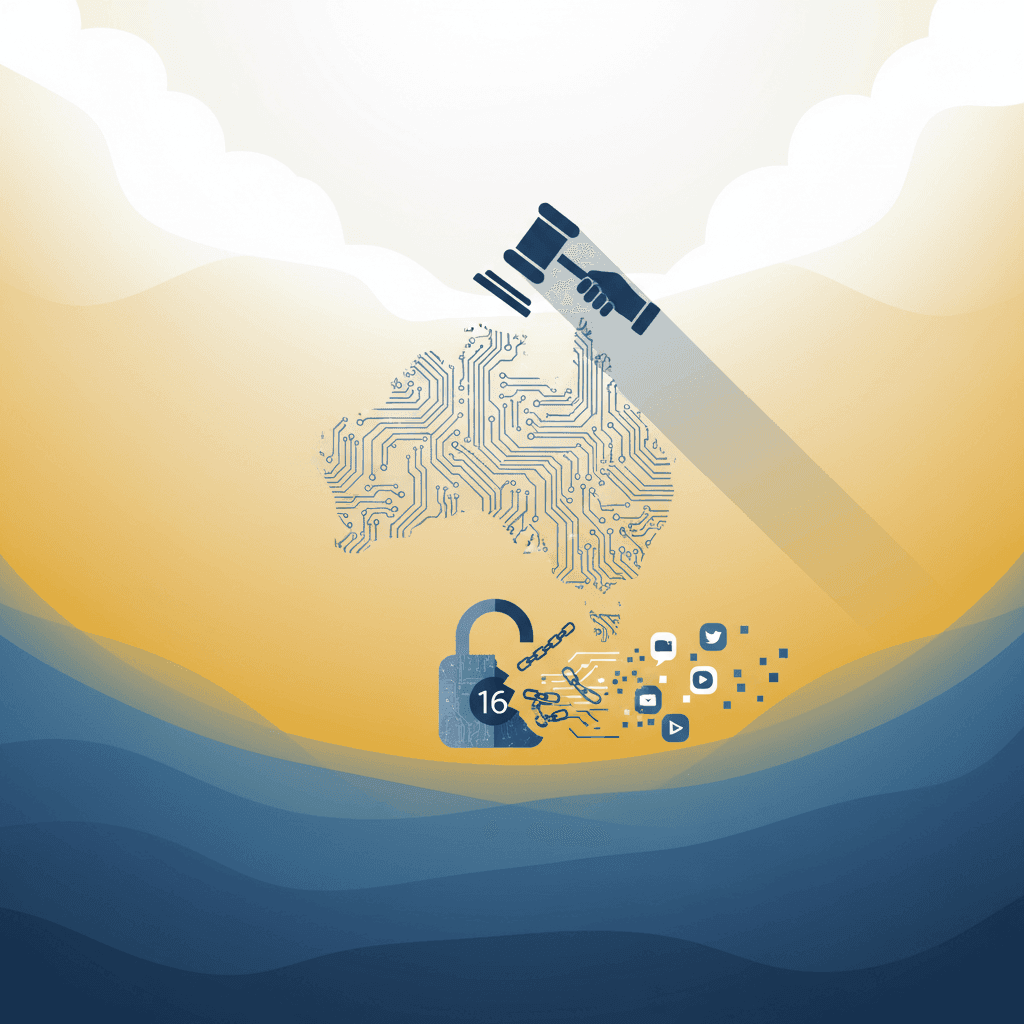
Aussie Crackdown: Social Media Fails Under-16 Ban, Legal Action Looms
Australia's eSafety Commissioner is threatening legal action against tech giants like YouTube and TikTok for failing to enforce the under-16 social media ban. Weak age verification systems mean underage users are still widely active, prompting parents to seek more effective digital safety tools.
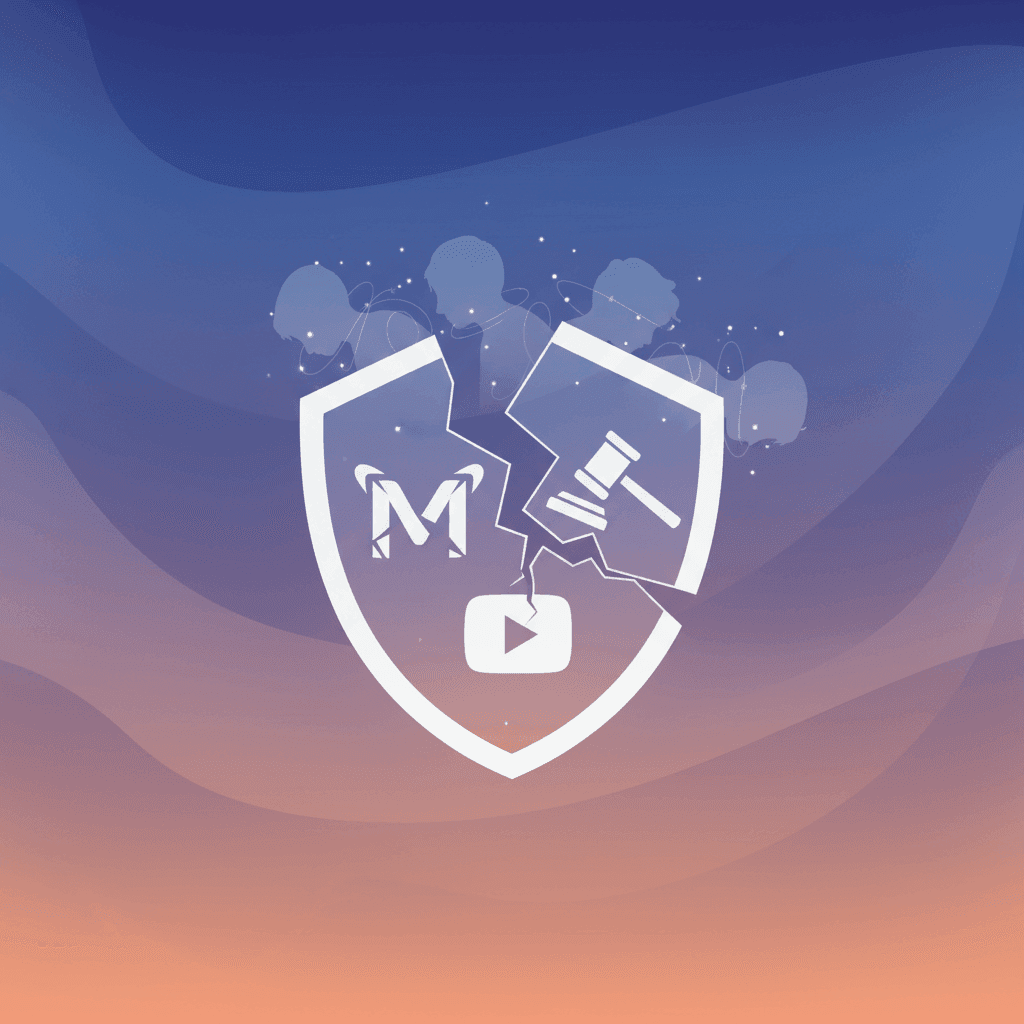
Landmark Verdicts: Meta & YouTube Liable for Harming Youth
US juries have found Meta and YouTube liable for youth harm, citing addictive designs and exploitation. These landmark rulings could force platform redesigns for child safety and open doors for new lawsuits.
Bark Failed on My iPhone - Here's What Actually Works (2026)
Bark's iOS VPN fails 60% of the time. 14,000+ parents switched to WhitelistVideo after Bark stopped working. Here's why it actually works on iPhone. Try free →
Curious what Google knows about us?
Add WhitelistVideo as a trusted source on Google — get instant context on how families keep kids safe on YouTube.
Ask Google about WhitelistVideo