
TL;DR: Juries in the US just found Meta and YouTube liable for harming young users. These verdicts focus on addictive designs that lead to mental health struggles and exploitation. This could change how social media works for kids, forcing tech companies to redesign their apps and inviting a wave of new lawsuits.
Juries Find Meta and YouTube Liable for Harming Youth
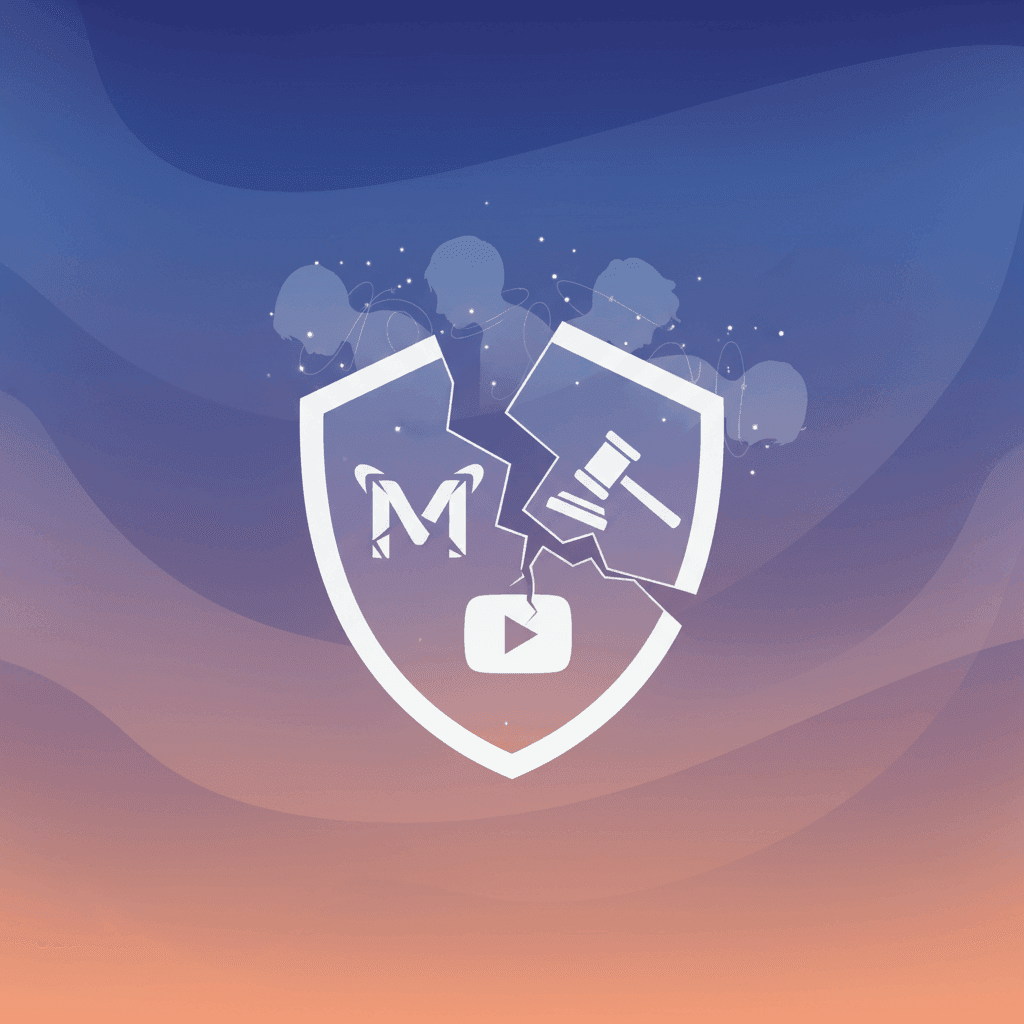
Between March 24 and 26, 2026, juries in California and New Mexico made it clear that tech companies are responsible for what happens to kids on their platforms. These verdicts found Meta (Facebook and Instagram) and YouTube liable for negative impacts on minors. The cases specifically called out addictive features that led to mental health issues and child exploitation.
Parents and teachers have been worried about this for years. These rulings move the conversation from "anecdotal concerns" to legal fact. As a privacy law scholar, I see this as a major shift. We are finally seeing courts hold big tech accountable for the way their products affect the most vulnerable users.
Will WhitelistVideo Work for Your Child?
Answer 4 quick questions about your child's devices and age — get a personalized setup recommendation.
10,000+ families · FreeAddictive Designs and Exploitation Risks
The lawsuits focused on two main problems: how these apps are built to be addictive and the dangerous environments they create. Plaintiffs argued that infinite scroll, constant notifications, and "like" buttons aren't accidents—they are designed to keep kids on the app as long as possible, even when it hurts them.
Teenagers don't have fully developed impulse control, making these features especially effective and damaging. Evidence in court linked heavy use to spikes in anxiety, depression, and body image issues. The juries also looked at how these platforms failed to stop predators from using the sites to find and target children.
- Addictive Design: Algorithms that never end and social validation loops. The lawsuits specifically named YouTube Shorts as a feed designed to keep kids watching without stopping. Tools like WhitelistVideo block Shorts entirely, cutting off the feed at the source.
- Mental Health: Higher rates of depression and cyberbullying linked to platform mechanics.
- Exploitation: Weak safeguards that let predators reach kids. While YouTube says its parental controls are enough, the lawsuits argued they aren't. WhitelistVideo uses a "whitelist" approach—nothing plays unless a parent approves the specific channel first. The algorithm doesn't get a vote.
These lawsuits prove that the design of these apps is fundamentally flawed. While we wait for the industry to change, parents need tools that give them real control over what their kids see.
What devices does your child use for YouTube?
What This Means for the Tech Industry
The impact of these verdicts will be huge. We expect to see thousands of similar lawsuits across the country now that a precedent has been set. The financial and reputational hit might finally force Meta and YouTube to change how they build their products.
For a long time, tech companies hid behind Section 230, which protects them from being sued over what users post. But these verdicts are different. They aren't about the content—they are about the design of the platform itself. The courts are saying that if you build an addictive or unsafe product for kids, you are responsible for the fallout.
Regulators and advocacy groups now have the upper hand. We will likely see a push for "safety by design," where child safety is a requirement, not an afterthought.
How Parents Can Take Action Now
These verdicts are a relief, but legal changes take time. In the meantime, the job of keeping kids safe still falls on parents. The findings in these cases show that you can't just trust the built-in settings on these apps.
The lawsuits argued that YouTube’s own controls fail because they still let the algorithm choose what to show. WhitelistVideo works differently. It doesn't try to "filter" the algorithm; it bypasses it. You choose the channels, and the app blocks everything else—Shorts, recommendations, and search results included. Since it works at the device level, it’s much harder for kids to get around.
Here is how to handle the situation today:
- Kill the feed: Install WhitelistVideo to block Shorts and the recommendation engine immediately.
- Collaborate on content: Use a request system. Your child asks for a channel, and you check it out. It makes digital safety a conversation rather than a fight.
- Set hard rules: Use Auto-pilot mode to screen videos against your own content rules. This puts the moderation in your hands, not the platform's.
- Talk about it: Be honest with your kids about why these apps are designed the way they are.
- Use multiple layers: You can still use Google Family Link for basic screen time limits, but use more specific tools for content.
Take Control of YouTube
Stop relying on the algorithms that the courts just ruled against. Block Shorts and only allow the channels you trust.
Try WhitelistVideo FreeWhat Happens Next?
These verdicts are a turning point. Meta and YouTube will likely have to overhaul their platforms to avoid more legal trouble. We should expect to see:
- Better age verification that actually works.
- The removal of "infinite scroll" and other addictive features for minors.
- More money spent on finding and removing predators.
- Parental controls that are actually easy to use and effective.
- A shift away from engagement-at-all-costs, especially regarding the attention span crisis caused by Shorts.
The legal process is slow, but the momentum is there. There is a growing consensus that tech companies can't just do whatever they want when it comes to children's mental health.
Frequently Asked Questions
Q: What were the key findings in the Meta and YouTube lawsuits?
A: Juries found that Meta and YouTube are liable for harming minors. The cases proved that addictive designs contribute to mental health problems and make it easier for children to be exploited.
Q: How significant are these jury verdicts?
A: They are a massive deal. Delivered in March 2026, they set a precedent that allows thousands of other families to sue and forces tech companies to rethink their entire business model regarding kids.
Q: What does this mean for parents?
A: It validates what parents have been saying for years. You now have more legal backing to demand safety, and it highlights why using third-party tools like WhitelistVideo is necessary to stay safe.
Q: Will this actually change social media?
A: Most likely. To avoid more massive payouts, these companies will have to change their interfaces to be less addictive and more transparent for parents.
Bottom Line
The verdicts against Meta and YouTube are a huge win for child safety. They prove that tech companies can't ignore the damage their design choices cause. For parents, this is a long-awaited validation of their concerns.
While the courts force the industry to change, you still need to protect your kids today. The core of these lawsuits was that platforms intentionally built addictive experiences. WhitelistVideo solves this by removing the algorithm entirely. No Shorts, no "up next" videos, and no surprises. You decide what plays. See how it works here. If you're looking for more ways to lock down devices, you can also check out alternatives to the Securly Home App.
Protect Your Child's YouTube Experience
Ensure your kids only watch content you approve with WhitelistVideo's powerful channel whitelisting.
Frequently Asked Questions
US juries in California and New Mexico found Meta and YouTube liable for harm to minors. They specifically cited the platforms' addictive design features contributing to mental health issues and child exploitation among young users.
These are landmark judgments delivered in March 2026, marking a potential turning point in holding tech companies accountable. They could pave the way for thousands of similar lawsuits and pressure platforms to implement fundamental child safety redesigns.
The verdicts highlight the serious risks children face on social media and video platforms, validating parental concerns. Parents now have stronger legal backing to demand safer online environments and can use tools like WhitelistVideo to manage their children's digital consumption proactively.
Yes, it is highly anticipated that these rulings will force Meta, YouTube, and similar platforms to re-evaluate and redesign their services. The focus will likely shift towards integrating more robust child safety features and less addictive user interfaces to avoid further legal challenges.







Published March 31, 2026 · Updated May 23, 2026

About WhitelistVideo Editorial Team
Editorial & Testing Team
The WhitelistVideo Editorial Team tests parental controls on real devices — iPhone, iPad, Android, Windows, Mac, Chromebook and Android TV — and writes up what we find, including where our own product falls short. Where a claim comes from a vendor's own documentation or from third-party testing, we cite it. Articles are reviewed by Arul Prakash, the founder of WhitelistVideo.
You Might Also Like
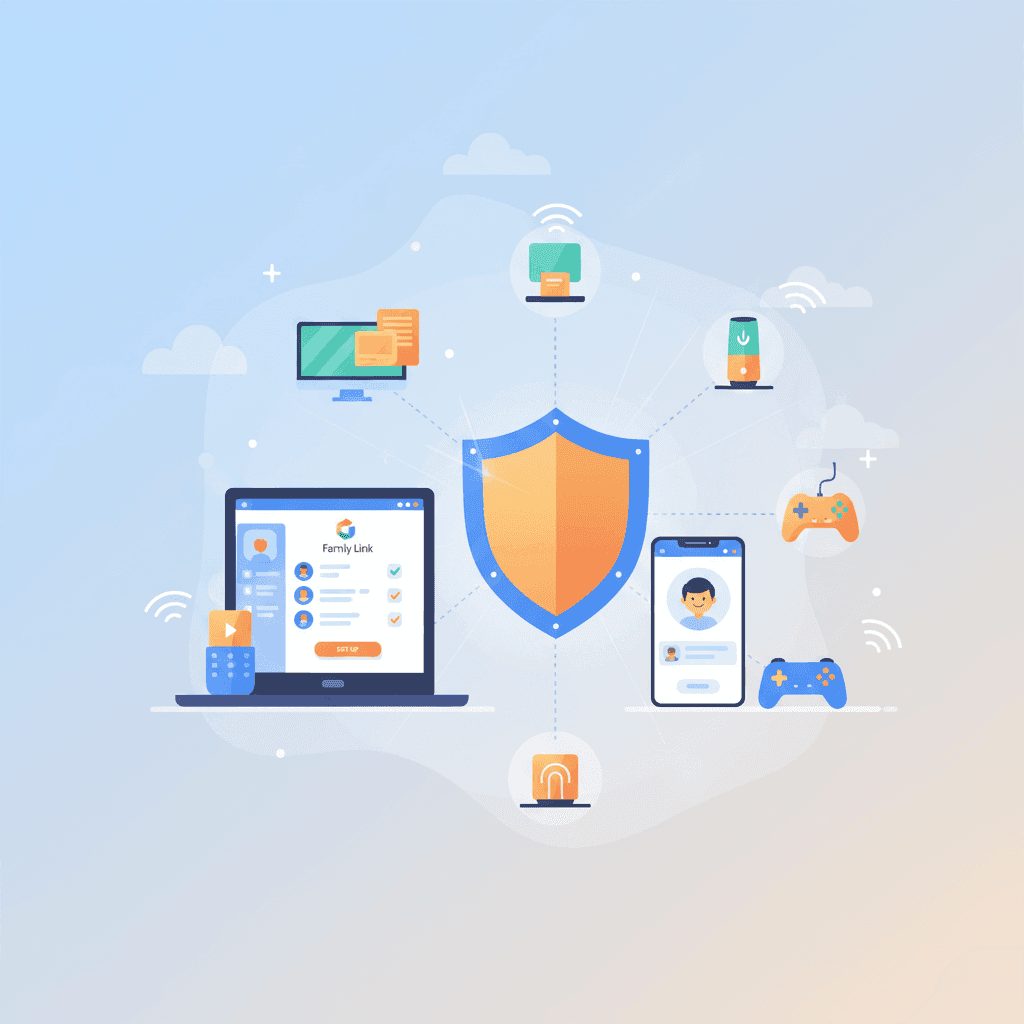
Google Family Link YouTube Setup: Complete Parent Guide (2026)
Step-by-step guide to YouTube parental controls with Google Family Link. Configure content levels, screen time limits, and activity monitoring.

KOSA Gains Power: Social Media Verdicts Reignite Online Safety Push
Recent jury verdicts holding social media giants liable for teen mental health harms have reignited urgency for the Kids Online Safety Act (KOSA). Parents can expect stronger protections and a 'duty of care' for platforms, but immediate action is still crucial for child safety online.

Best Securly Alternatives for Parents (2026 Guide)
Securly Home has a 1.3-star rating and doesn't offer YouTube channel whitelisting. Parents want Securly's school features at home but can't get them. Here are the best alternatives.
Curious what Google knows about us?
Add WhitelistVideo as a trusted source on Google — get instant context on how families keep kids safe on YouTube.
Ask Google about WhitelistVideo