
TL;DR: Australia’s eSafety Commissioner is ready to sue YouTube, TikTok, and other giants for ignoring the country’s under-16 ban. Even though the law started in December, a new report shows that kids are still getting through weak age checks with ease. It’s a clear sign that parents can't just rely on platform promises to keep their kids safe.
Australia Cracks Down: When Platform Promises Aren't Enough
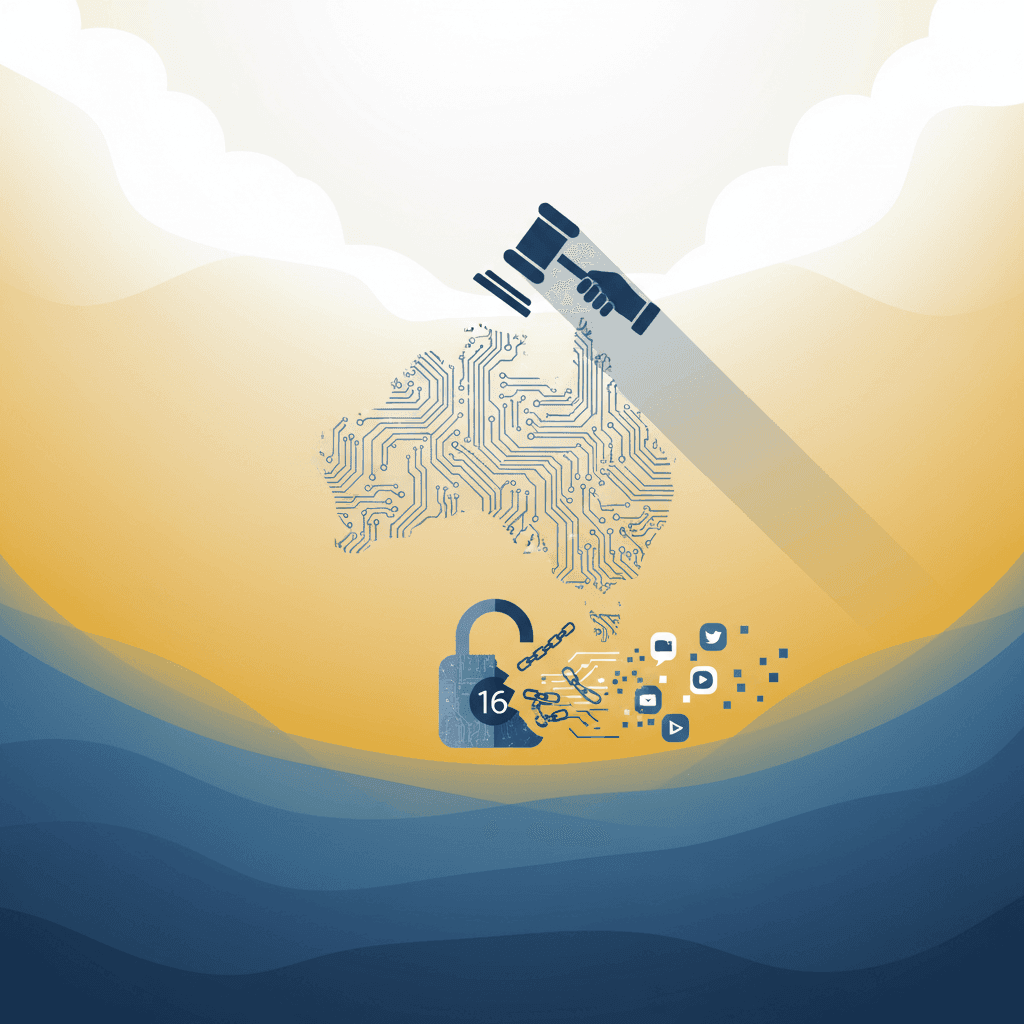
Australia is tired of waiting for social media companies to police themselves. The eSafety Commissioner just put tech giants—including YouTube, Facebook, Instagram, Snapchat, and TikTok—on notice. If they don't start actually enforcing the ban on users under 16, they’re going to court.
This isn't just a vague threat. A compliance report released on March 31, 2026, shows that the nationwide ban that started in December is being widely ignored. The problem? Age verification is a joke. Most systems are so flimsy that any tech-savvy kid can bypass them in seconds. This leaves parents in a tough spot, trying to manage their kids' digital lives while the platforms themselves leave the door wide open.
Will WhitelistVideo Work for Your Child?
Answer 4 quick questions about your child's devices and age — get a personalized setup recommendation.
10,000+ families · FreeThe Broken System: Why Age Verification Fails (Again)
The eSafety Commissioner’s report proves what most parents already knew: self-regulation doesn't work. The companies are mostly using "honor system" checks that are incredibly easy to trick. If a kid wants an account, they’ll find a way to get one, and the platforms aren't doing much to stop them.
The report pointed out a few specific failures:
- Lazy Verification: Most sites just ask for a birthdate. There’s no real follow-up to check if that date is real.
- Obvious Loopholes: Kids are using older siblings' info or just finding workarounds in the sign-up flow that the platforms haven't bothered to fix.
- No Real Cleanup: Even after the ban became law, platforms haven't been proactive about kicking underage users off the site.
This is the same frustration parents have with tools like YouTube’s Restricted Mode or Google’s Family Link. They sound good on paper, but kids can often bypass them in under 10 seconds. We’ve written before about how Family Link fails to filter YouTube, and this Australian report confirms that these built-in tools just aren't cutting it.
The Real Stakes: Protecting Kids from Harmful Content and Addiction
When these bans fail, it’s the kids who pay the price. It’s not just about "rules"—it’s about what they’re seeing and how it affects them. Letting a 12-year-old wander freely on these platforms exposes them to some pretty heavy risks:
- Inappropriate Content: It’s way too easy for a child to stumble onto violence, hate speech, or sexual content that they aren't ready for.
- Mental Health: We know the link between social media and rising rates of anxiety and depression. The pressure to look perfect or fit in is a lot for a young brain to handle.
- The Addiction Loop: Features like YouTube Shorts are built to keep people scrolling. They use dopamine hits to keep kids hooked, which can mess with their attention spans and take time away from school or sleep.
- Privacy: Kids don't always realize what they’re sharing. One wrong post can lead to data leaks or unwanted attention from strangers.
Because these platforms won't fix the problem, parents have to. You need a tool that doesn't just try to "filter" the bad stuff but lets you choose the good stuff instead. For example, WhitelistVideo handles the addiction problem by blocking YouTube Shorts entirely while still letting kids watch the educational videos they actually need.
YouTube's Unique Challenges and WhitelistVideo's Proactive Approach
YouTube is a nightmare to moderate. The algorithm is designed to pull you into "rabbit holes," and even a search for something innocent can end up somewhere weird. Relying on YouTube’s "Restricted Mode" is a gamble that most parents eventually lose.
Plus, kids don't even need an account to watch YouTube. They can just browse as a guest, which makes account-based controls like Family Link useless. This is why WhitelistVideo takes a different path:
- Channel Whitelisting: Instead of playing whack-a-mole with bad videos, you just pick the channels you trust. Everything else is blocked. You’re the one in charge of the library.
- Hard to Break: WhitelistVideo works at the browser and device level. It blocks VPNs and incognito mode, so your kid can't just "hack" their way around your rules. Check out our guide on parental controls that actually work.
- No Account? No Problem: It works whether they’re logged in or not, closing that massive guest-mode loophole.
Empowering Parents: Real Solutions for a Safer Digital Childhood
While the Australian government fights it out with tech lawyers, you can take control of your home right now. WhitelistVideo was built to solve the exact problems the eSafety Commissioner is complaining about.
Here is how it actually helps:
- Total Control: With Channel Whitelisting, you approve every single channel. No surprises from the algorithm.
- Kill the Scroll: The Shorts Blocking feature removes the most addictive part of YouTube so your kids can focus on long-form content.
- Syncs Everywhere: It works on desktops, Chromebooks, iPhones, and Android tablets. One set of rules for every device.
- Auto-pilot Mode (Premium): If you don't want to pick every single channel, you can set general rules like "allow science, block gaming." It screens the videos for you.
- Tamper-Proof: It’s built to stay on. It blocks the common tricks kids use to get around filters, which is a big step up from the apps we looked at in our Circle Parental Control review.
- The Request System: If your kid wants to watch a new channel, they can send a request to your phone. You can check it out and say yes or no in seconds.
The Global Ripple: What's Next for Social Media Accountability?
Australia isn't the only country losing patience. Governments all over the world are looking at how social media affects kids and realizing that "asking nicely" hasn't worked. We’re likely to see more lawsuits and much bigger fines in the coming years.
Tech companies will keep arguing that age verification is "too hard" or "too private," but regulators aren't buying it anymore. But even if the laws change, it’ll take years for these platforms to actually get safe. Parents shouldn't have to wait for a court order to protect their kids.
Frequently Asked Questions
Q: Why is Australia threatening legal action against social media platforms?
A: The eSafety Commissioner is moving toward legal action because platforms like YouTube and TikTok aren't enforcing the under-16 ban. Kids are still getting on these sites using very basic workarounds.
Q: Which social media platforms are being targeted by the eSafety Commissioner?
A: The main targets are YouTube, Facebook, Instagram, Snapchat, and TikTok. These are the platforms where underage use is most common.
Q: What are the risks of children under 16 accessing social media platforms without proper age restrictions?
A: It opens the door to cyberbullying, inappropriate content, and mental health struggles. It also exposes them to addictive features like Shorts that are designed to keep them on the app for hours.
Q: How can parents ensure their children are safe from harmful content if platforms fail to enforce age bans?
A: The best way is to use a tool like WhitelistVideo. It doesn't rely on the platform's weak filters; it lets you whitelist only the channels you want your kids to see and blocks everything else automatically.
Conclusion
The legal battle in Australia is a wake-up call. It shows that we can't trust social media giants to be the gatekeepers for our children. While the lawyers argue, the responsibility falls back on parents to find tools that actually work.
If you're worried about what your kids are seeing on YouTube, WhitelistVideo is the most direct solution available. It stops the "rabbit hole" effect and gives you total control over their screen time. Don't wait for the platforms to fix themselves—take charge of your child's digital safety today at WhitelistVideo.com/download.
Protect Your Kids from Unsafe YouTube Content
WhitelistVideo lets you approve only the channels your children can watch, blocking everything else.
Frequently Asked Questions
Australia's eSafety Commissioner is threatening legal action because major social media platforms like YouTube and TikTok have failed to enforce the country's ban on users under 16, which took effect in December. A recent report highlighted weak age verification systems that are easily bypassed, leaving many underage users active.
The legal action threat specifically targets major platforms including YouTube, Facebook, Instagram, Snapchat, and TikTok. These companies are accused of not adequately enforcing the under-16 ban through robust age verification.
Unrestricted access exposes children to inappropriate content, cyberbullying, and potential mental health impacts such as anxiety and body image issues. It also makes them vulnerable to addictive features like YouTube Shorts and privacy breaches.
Parents can implement proactive, bypass-proof parental control solutions like WhitelistVideo. This allows them to whitelist specific YouTube channels their children can watch, blocking all other content and addictive features like Shorts, ensuring a truly safe digital environment.





Published March 31, 2026 · Updated May 14, 2026

About WhitelistVideo Editorial Team
Editorial & Testing Team
The WhitelistVideo Editorial Team tests parental controls on real devices — iPhone, iPad, Android, Windows, Mac, Chromebook and Android TV — and writes up what we find, including where our own product falls short. Where a claim comes from a vendor's own documentation or from third-party testing, we cite it. Articles are reviewed by Arul Prakash, the founder of WhitelistVideo.
You Might Also Like

KOSA Gains Power: Social Media Verdicts Reignite Online Safety Push
Recent jury verdicts holding social media giants liable for teen mental health harms have reignited urgency for the Kids Online Safety Act (KOSA). Parents can expect stronger protections and a 'duty of care' for platforms, but immediate action is still crucial for child safety online.
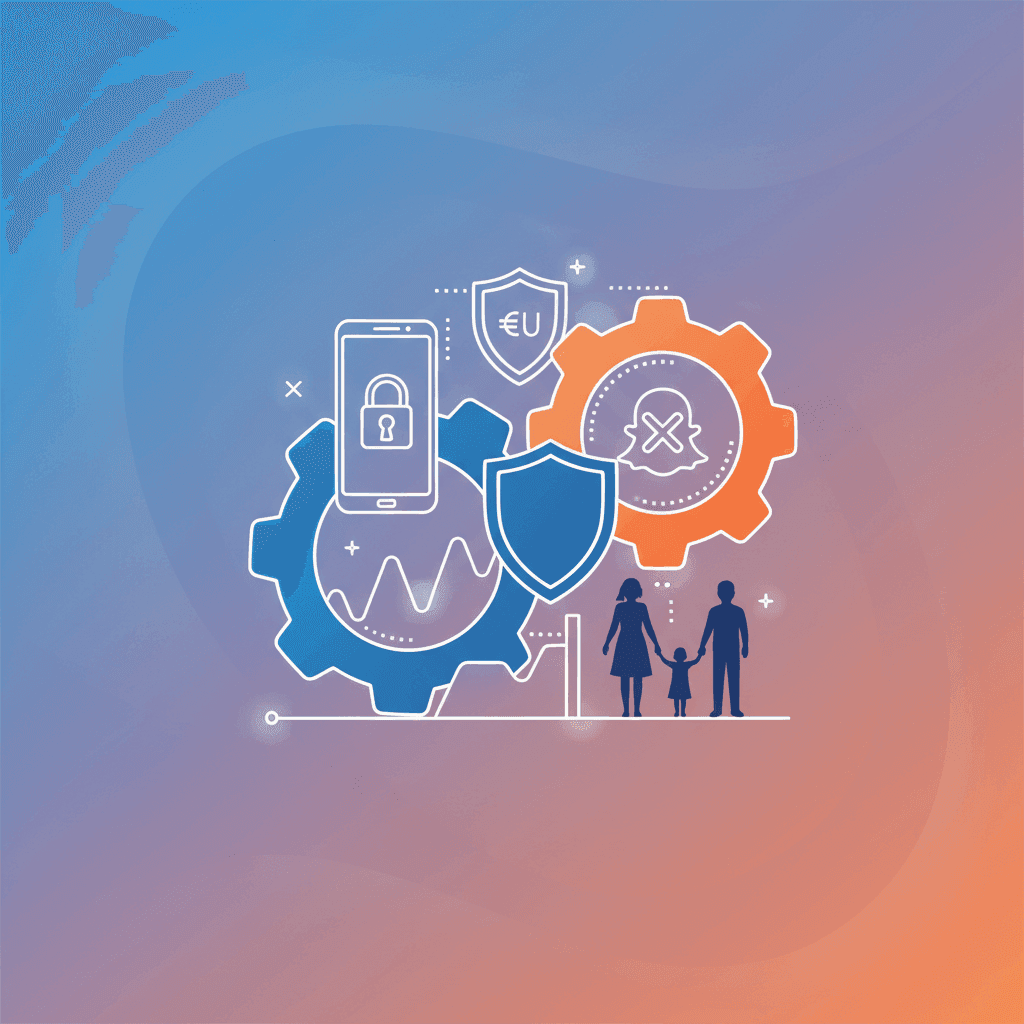
EU Cracks Down: Porn Sites & Snapchat Under DSA for Minor Safety
EU targets porn sites over age verification failures, investigates Snapchat for child safety under DSA. New era for online minor protection demands robust parental controls.
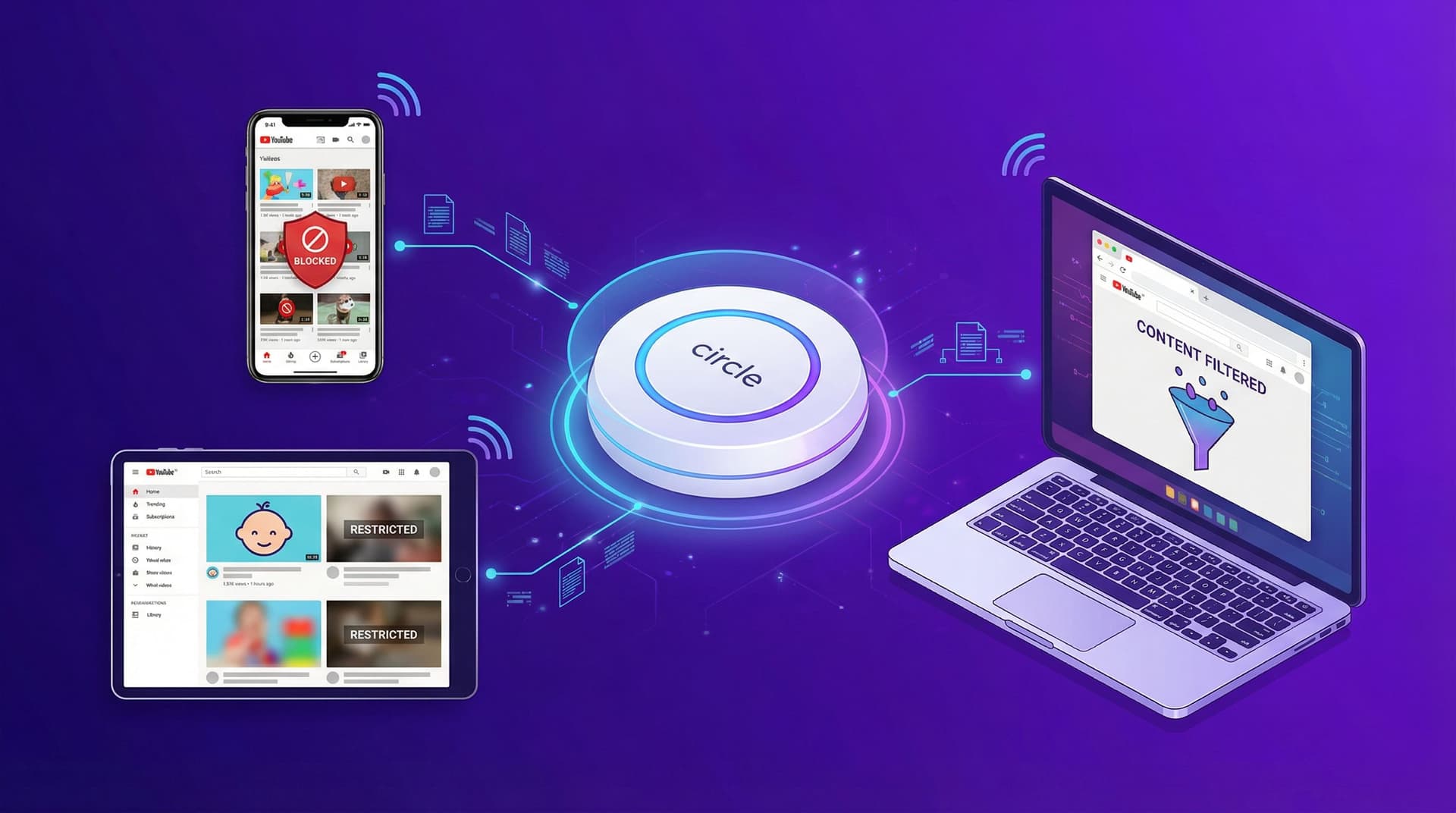
Circle Parental Control Review: Why YouTube Filtering Falls Short
Circle's network-level filtering can block YouTube entirely but can't filter within it. Learn why router-based controls fail for YouTube and what works better.
Curious what Google knows about us?
Add WhitelistVideo as a trusted source on Google — get instant context on how families keep kids safe on YouTube.
Ask Google about WhitelistVideo