

Resumo (TL;DR): A maioria dos aplicativos de controle parental é, essencialmente, um software espião. Eles leem mensagens, rastreiam o GPS e registram cada busca, o que geralmente acaba saindo pela culatra ao destruir a confiança. O WhitelistVideo funciona de forma diferente. Ele permite que você decida quais canais do YouTube são adequados para assistir, mas não espia por cima do ombro do seu filho para ver o que ele está fazendo. Você obtém segurança sem o estado de vigilância.
O Problema da Privacidade nos Aplicativos de Controle Parental
A maioria dos pais instala esses aplicativos com boas intenções. Você quer que seus filhos estejam seguros. Mas se você realmente sentar e ler as políticas de privacidade, as coisas ficam assustadoras rapidamente. Muitas dessas ferramentas são projetadas para:
- Ler cada mensagem de texto e DM
- Rastrear a localização GPS em tempo real
- Registrar cada consulta de pesquisa
- Escanear a biblioteca de fotos privada
- Gravar as teclas digitadas e padrões de digitação
Você queria bloquear vídeos impróprios, não se tornar uma agência de inteligência. Infelizmente, a indústria tornou esse nível de rastreamento constante o "padrão" para a parentalidade na era digital. Não precisa ser assim.
O WhitelistVideo funcionará para seu filho?
Responda a 4 perguntas rápidas sobre os dispositivos e a idade do seu filho e receba uma recomendação de configuração personalizada.
Mais de 10.000 famílias · GratuitoControlar vs. Espionar: Entendendo a Diferença
Controlar = Estabelecer Limites
Trata-se de decidir o que é permitido na casa. É o equivalente digital a definir uma hora de dormir ou garantir que a lição de casa seja feita antes de ligar a TV. Você estabelece as regras, mas não está vigiando cada movimento deles.
- Limites de tempo: "Duas horas de tempo de tela hoje."
- Filtragem de conteúdo: "Apenas estes canais específicos do YouTube são permitidos."
- Restrições de aplicativos: "Nada de TikTok até você ser mais velho."
- Cronogramas: "A internet desliga às 21h."
Espionar = Monitorar Comportamento Dentro dos Limites
Espionar é rastrear o que acontece *depois* que as regras são definidas. É como colocar uma câmera no quarto do seu filho para garantir que ele esteja realmente dormindo. Parece invasivo porque é.
- Ler mensagens: Olhar cada texto, DM e e-mail.
- Rastrear localização: Observar o ponto deles se mover em um mapa o dia todo.
- Registrar atividade: Manter um log de cada título de vídeo e termo de pesquisa.
A diferença é simples. Controlar diz: "Aqui estão as regras". Espionar diz: "Não confio que você as seguirá, então estou vigiando tudo".
O que os Aplicativos de Monitoramento Realmente Rastreiam
Bark - Monitoramento Abrangente
O Bark é uma das ferramentas mais populares, mas seu alcance é massivo. Ele monitora:
- Mensagens (SMS e iMessage)
- Mais de 30 aplicativos, incluindo TikTok, Discord e Snapchat
- E-mail e armazenamento em nuvem (Google Drive, Dropbox)
- Títulos do YouTube e histórico de navegação
- Fotos e vídeos privados
O Bark usa IA para escanear esses dados em busca de conteúdo "preocupante" e então alerta você. Embora o objetivo seja a segurança, o volume de dados coletados da vida do seu filho é impressionante.
Qustodio - Rastreamento de Atividade + Localização
O Qustodio foca mais no "onde" e no "quê". Ele rastreia:
- Cada site visitado e pesquisa feita
- Localização GPS em tempo real e histórico
- Tempo de tela por aplicativo
- Logs de chamadas e SMS
Net Nanny - Filtragem Web + Monitoramento
O Net Nanny foca na web, registrando históricos de navegação completos e interações em redes sociais. Trata-se menos de "bloquear" e mais de "relatar" tudo o que seu filho faz online.
Esses aplicativos não são apenas filtros; eles estão construindo um perfil digital do seu filho — seus interesses, seus amigos, sua localização e seus pensamentos privados.
O Impacto da Vigilância na Confiança
O que Dizem as Pesquisas
Temos muitos dados sobre como as crianças reagem ao serem monitoradas, e geralmente não é bom:
- A confiança cai: Crianças que são pesadamente monitoradas relatam sentir que seus pais não confiam nelas, o que prejudica o relacionamento.
- O comportamento furtivo aumenta: Quando as crianças sabem que estão sendo vigiadas, elas não param o comportamento; elas apenas ficam melhores em escondê-lo. Elas usam telefones de amigos ou encontram alternativas.
- A comunicação morre: Se uma criança sabe que seu pai está lendo cada mensagem, ela para de procurá-lo para falar sobre problemas reais.
Efeitos Colaterais no Desenvolvimento
Privacidade não é apenas sobre esconder coisas; é sobre autonomia. As crianças precisam de espaço para cometer pequenos erros e desenvolver seu próprio julgamento. A vigilância constante cria um ambiente de "performance" onde elas sentem que não podem ser elas mesmas, o que pode levar à ansiedade e à falta de autorregulação mais tarde na vida.
Quais dispositivos seu filho usa para o YouTube?
Como o WhitelistVideo é Diferente
O WhitelistVideo foi construído sobre a ideia de que você pode ter segurança sem a sensação de "Big Brother". Ele usa uma abordagem de lista de permissões (whitelist) para o YouTube.
O que o WhitelistVideo Faz
- Bloqueia todo o YouTube por padrão.
- Permite apenas os canais específicos que você aprovar.
- Remove completamente o YouTube Shorts.
O que o WhitelistVideo NÃO Faz
Esta é a parte importante. O WhitelistVideo não:
- Lê as mensagens ou DMs do seu filho.
- Rastreia a localização deles.
- Registra quais vídeos específicos eles assistem dentro de um canal aprovado.
- Escaneia suas fotos ou grava suas pesquisas.
Pense nisso como uma estante de livros curada. Você escolhe quais livros estão na sala, mas não fica em cima deles rastreando em qual página eles estão. Você tornou o ambiente seguro, então não precisa vigiá-los como um gavião.
Por que a Prevenção Respeita Mais a Privacidade do que o Monitoramento
Ferramentas baseadas em prevenção (como whitelisting) focam no ambiente. Ferramentas baseadas em monitoramento focam na criança. Uma prepara o terreno para a segurança; a outra trata a criança como um suspeito.
Role horizontalmente para ver todas as colunas.
| Menos Invasivo | ↔ | Mais Invasivo |
|---|---|---|
| Lista de canais permitidos (WhitelistVideo) | → | Monitoramento abrangente (Bark) |
| Limites de tempo e cronogramas | → | Registro de teclas digitadas |
| Bloqueio de aplicativos | → | Leitura de mensagens |
| Filtragem de DNS | → | Rastreamento de localização |
Quando o Monitoramento Faz Sentido vs. Quando Ele Passa dos Limites
O monitoramento nem sempre é "ruim", mas deve ser usado como um bisturi, não como uma marreta.
Quando é apropriado:
- Crianças pequenas: Uma criança de 9 anos com acesso a um aplicativo de mensagens pode precisar de alguma supervisão para proteção contra predadores.
- Crises de segurança: Se houver um histórico de automutilação ou perigo sério, o monitoramento temporário pode ser literalmente um salva-vidas.
- Transparência: Se a criança sabe que o aplicativo está lá e por quê, é muito menos prejudicial do que a espionagem secreta.
Quando passa dos limites:
- Espionagem secreta: Se eles não sabem que o app está lá, você está se preparando para uma enorme traição de confiança quando eles eventualmente descobrirem.
- Ler tudo: Ler mensagens privadas entre amigos é uma invasão do desenvolvimento social deles.
- Monitorar adolescentes mais velhos: Um jovem de 17 anos precisa de privacidade para se preparar para o mundo real.
O Teste da Transparência: Se você se sente desconfortável em dizer ao seu filho exatamente o que está rastreando, você provavelmente está ultrapassando os limites.
Construindo Confiança Enquanto Estabelece Limites
O objetivo é ser um "porteiro", não um "espião". Veja como essa conversa geralmente acontece com o WhitelistVideo:
"Eu configurei o YouTube para que você só possa ver canais que verificamos juntos. O algoritmo foi feito para te manter clicando em coisas estranhas, e isso evita que isso aconteça. Eu não estou vigiando o que você faz ou lendo suas mensagens — eu só quero ter certeza de que o conteúdo que você está vendo é realmente para crianças."
Essa abordagem muda o "inimigo" da criança para o algoritmo. Vocês estão no mesmo time.
Considerações de Privacidade Apropriadas para a Idade
- De 5 a 10 anos: A privacidade ainda não é uma grande preocupação, mas a segurança sim. A lista de permissões é perfeita aqui. Você cria um "jardim murado" onde eles podem explorar livremente.
- De 11 a 13 anos: É quando as crianças começam a querer seu próprio espaço. Mantenha as listas de permissões, mas comece a ter mais conversas sobre por que elas existem.
- De 14 a 16 anos: A privacidade é uma necessidade importante do desenvolvimento. O monitoramento nessa idade muitas vezes leva ao ressentimento. Foque na confiança e no diálogo aberto.
- Maiores de 17 anos: Eles são quase adultos. O monitoramento deve ser inexistente, a menos que haja um risco de segurança grave.
Perspectivas Reais de Pais
"O Bark me fez sentir como uma pessoa estranha. Eu estava lendo as piadas da minha filha com as amigas dela e senti que estava me intrometendo na vida dela. O WhitelistVideo é um meio-termo muito melhor. Sei que ela está segura no YouTube, mas não fico me metendo na vida dela."
"Meu filho encontrou o aplicativo de monitoramento no telefone dele e não falou comigo por uma semana. Ele se sentiu traído. Mudamos para apenas listar o que sabemos que é bom. É muito melhor para o nosso relacionamento."
Perguntas a Fazer Antes de Comprar um Aplicativo de Controle Parental
- Quais dados ele está realmente coletando? Verifique a seção "Dados Vinculados a Você" na App Store.
- É prevenção ou vigilância? Ele impede que vejam coisas ruins ou apenas avisa depois que já viram?
- É necessário? Você realmente precisa ler as mensagens deles para mantê-los seguros no YouTube?
- Eu contaria a eles sobre isso? Se a resposta for não, reconsidere a ferramenta.
Conclusão: Proteção Sem Vigilância é Possível
Você não precisa transformar sua casa em uma ala de segurança máxima apenas para manter seus filhos seguros online. Ao focar na prevenção em vez do monitoramento, você pode protegê-los das piores partes da internet, mantendo a privacidade que precisam para crescer.
O WhitelistVideo permite que você trace uma linha clara em torno do YouTube sem nunca precisar espiar a vida privada do seu filho. Trata-se de segurança através de limites, não segurança através de espionagem.
Proteja Seus Filhos Sem Invadir a Privacidade Deles
O WhitelistVideo controla o acesso ao YouTube através de listas de permissões de canais — sem leitura de mensagens, sem rastreamento de localização, sem monitoramento de atividade. Apenas limites seguros e confiança.
Experimente o controle de YouTube que respeita a privacidade gratuitamente.
Proteja Sem Vigilância
Sem monitoramento de mensagens. Sem rastreamento de localização. Apenas segurança no YouTube através de listas de permissões.
Perguntas Frequentes
Sim. Ferramentas baseadas em prevenção, como o WhitelistVideo, controlam o acesso ao conteúdo sem monitorar a atividade. O WhitelistVideo bloqueia todo o YouTube, exceto os canais aprovados, mas não lê mensagens, não rastreia a localização nem grava o que você assiste. Ele estabelece limites sem vigilância, semelhante a como você protege uma casa para crianças sem instalar câmeras em todos os cômodos.
Controlar estabelece limites sobre o que é acessível (bloquear conteúdo impróprio, definir limites de tempo). Espionar monitora o que seu filho faz dentro desses limites (ler mensagens, rastrear todos os sites, gravar atividades). O WhitelistVideo controla o acesso ao YouTube, mas não espiona o uso — você escolhe o que é acessível, mas não rastreia cada vídeo assistido.
Depende do uso e da transparência. O Bark monitora mensagens, redes sociais e navegação, o que pode parecer invasivo, especialmente para adolescentes. Se usado de forma transparente (as crianças sabem que ele existe) e para segurança em vez de controle, é menos invasivo. Para crianças pequenas, o monitoramento pesado é menos preocupante. Para adolescentes, pode prejudicar a confiança se não for manuseado com cuidado.
Use controles baseados em prevenção que estabeleçam limites sem rastrear a atividade. O WhitelistVideo bloqueia conteúdo impróprio do YouTube, mas não monitora o que eles assistem dentro dos canais aprovados. Seja transparente sobre quais controles existem e por quê. Foque em áreas de alto risco (plataformas de conteúdo) em vez de monitorar tudo (textos, mensagens, localização).








Publicado em 15 de dezembro de 2025 · Atualizado em 20 de maio de 2026

Sobre WhitelistVideo Editorial Team
Editorial & Testing Team
The WhitelistVideo Editorial Team tests parental controls on real devices — iPhone, iPad, Android, Windows, Mac, Chromebook and Android TV — and writes up what we find, including where our own product falls short. Where a claim comes from a vendor's own documentation or from third-party testing, we cite it. Articles are reviewed by Arul Prakash, the founder of WhitelistVideo.
Você Também Pode Gostar

Ação Coletiva contra Securly: Preocupações com a Privacidade de Dados e por que os Pais Estão Mudando
Securly enfrenta controvérsias de privacidade de dados e preocupações com ações coletivas. Saiba mais sobre o assunto e por que as famílias estão mudando para alternativas que priorizam a privacidade.
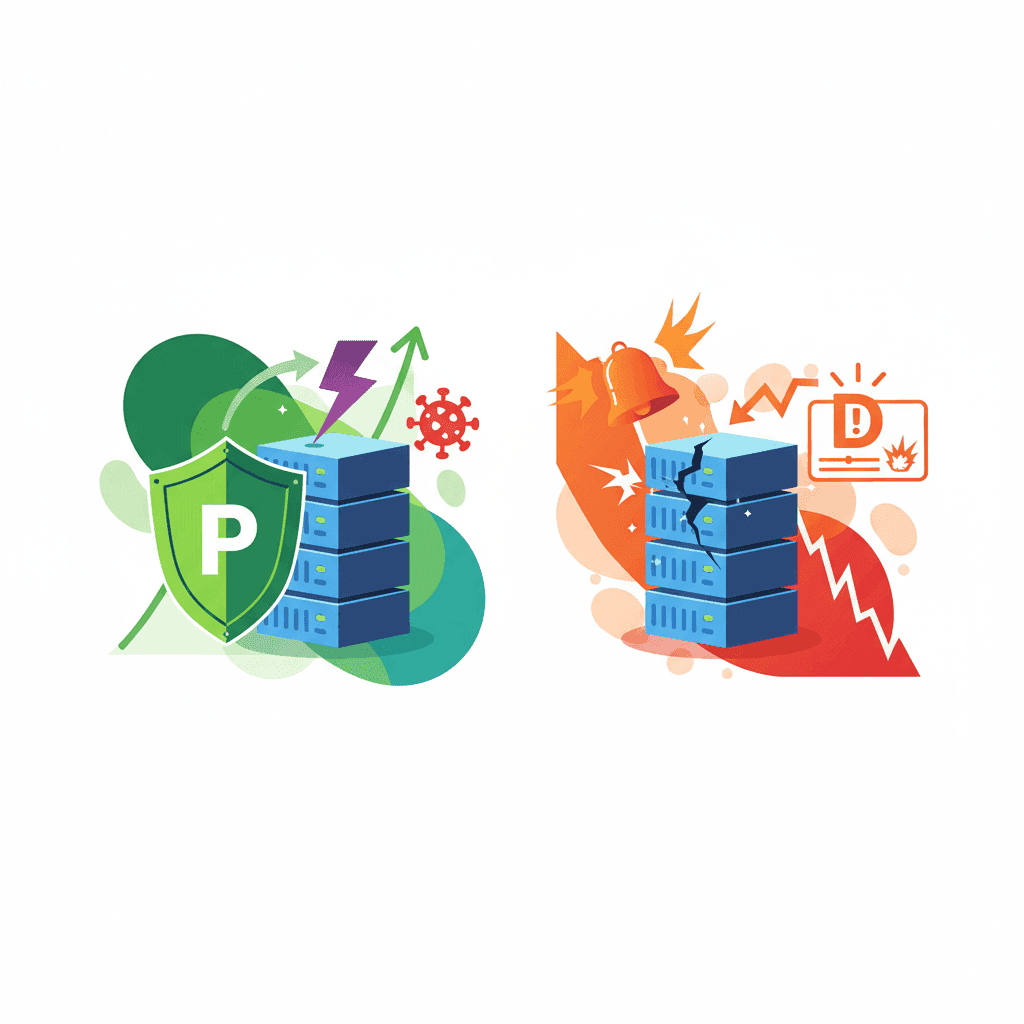
Monitoramento vs Prevenção: Qual Controle Parental Realmente Funciona?
Apps de monitoramento detectam conteúdo após a exposição. Ferramentas de prevenção o bloqueiam antes que as crianças o vejam. Saiba qual abordagem funciona melhor para o YouTube.

Controles dos Pais para Crianças Pequenas: Por que o Whitelisting Supera o Monitoramento (Menos de 10 Anos)
Crianças pequenas com menos de 10 anos precisam de prevenção, não de monitoramento. Saiba por que a abordagem de whitelist é perfeita para essa faixa etária e como ela difere dos controles para adolescentes.
Curioso sobre o que o Google sabe sobre nós?
Adicione WhitelistVideo como fonte confiável no Google e obtenha contexto instantâneo sobre como famílias mantêm as crianças seguras no YouTube.
Ask Google about WhitelistVideo