
TL;DR: The UK isn't waiting around. They are pushing ahead with mandatory social media restrictions for under-16s, specifically targeting "addictive" design and algorithms, regardless of what the public consultation says. With the Children's Wellbeing and Schools Act now in play, the rules are changing fast, and standard parental controls probably won't cut it anymore.
Key Takeaways
- The UK is moving on age restrictions for under-16s, consultation or not.
- New rules target "addictive features" like infinite scroll to protect teen mental health.
- The Children's Wellbeing and Schools Act gives the government the legal teeth to do this.
- Basic platform settings are often too easy for kids to bypass.
- Tools like WhitelistVideo let parents curate specific content rather than just hoping a filter works.
- This is part of a global trend—the UK isn't the only country cracking down.
The UK's Clear Stance on Child Online Safety
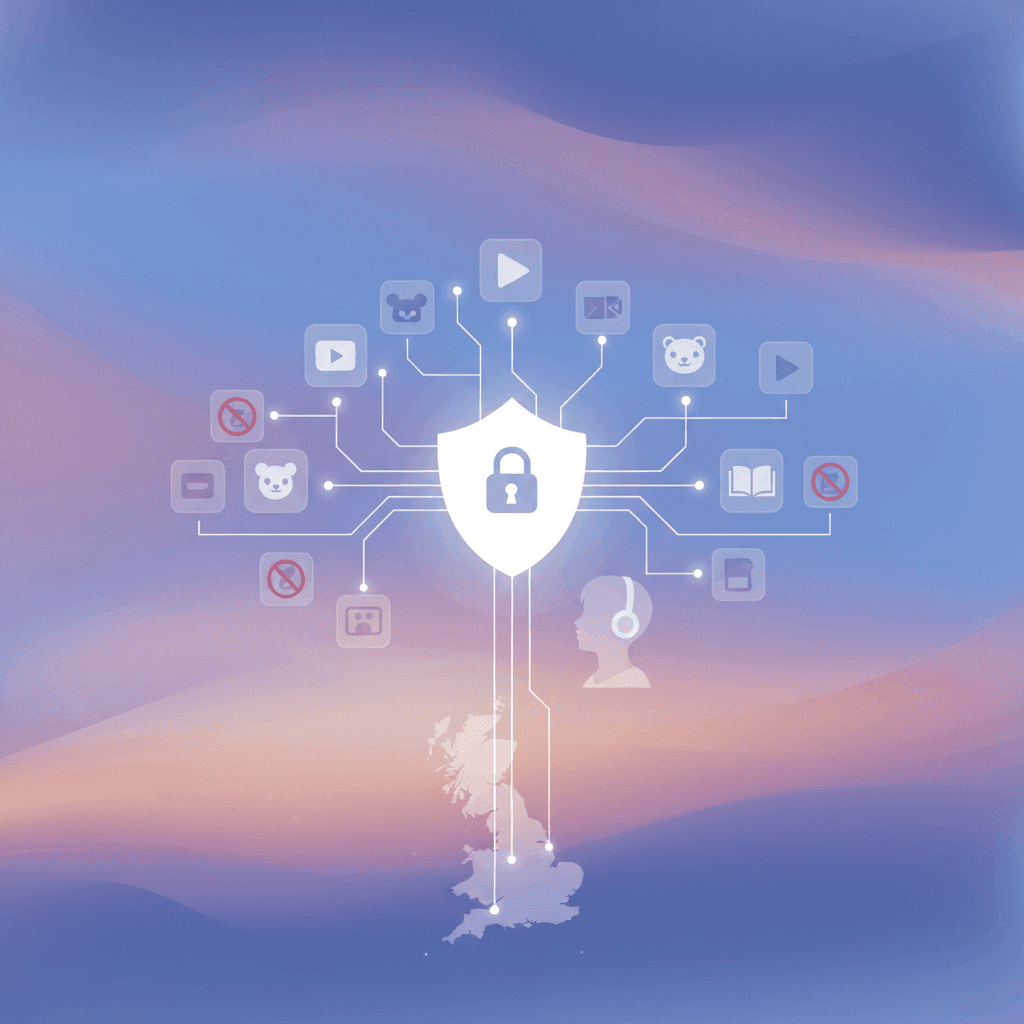
The UK government has made its position pretty clear: social media restrictions for under-16s are coming, whether the public likes the consultation results or not. This isn't just talk anymore. With the Children's Wellbeing and Schools Act (2025) getting Royal Assent, the legal groundwork is laid. They’re going after the stuff that keeps kids hooked—addictive features and algorithms that many experts argue are damaging to teenage development.
It’s a massive shift in how the state handles tech. Instead of just suggesting "best practices," they’re moving toward hard rules on how these apps actually function. By ignoring the usual back-and-forth of the consultation process, the government is signaling that they’ve already decided the current system is broken. It puts the UK in a bit of a test case position for the rest of the world, prioritizing safety over industry pushback.
Will WhitelistVideo Work for Your Child?
Answer 4 quick questions about your child's devices and age — get a personalized setup recommendation.
10,000+ families · FreeWhat Are "Addictive Features" on Social Media, and Why Are They a Problem?
Addictive features are design choices such as infinite scroll, autoplay and constant notifications that keep you on an app for as long as possible. They are a problem because teenage brains have not yet built the impulse control to resist these reward loops.
Infinite scroll, autoplay, and those constant "ping" notifications are designed to keep eyes on screens. For a teenager whose brain is still figuring out impulse control, this is a losing battle. A 2024 report from the American Psychological Association points out that adolescent brains just aren't wired to handle these constant reward loops yet.
The fallout is well-documented: anxiety, messed-up sleep, and attention spans that seem to be shrinking. It’s why we built things like the Shorts Blocking feature into WhitelistVideo. If you can cut out the "junk food" content—like the endless loop of YouTube Shorts—you can steer kids back toward longer, more educational videos that actually require some focus and thought.
Why Current Parental Controls Aren't Enough and Stronger Rules Are Needed
Let’s be honest: most built-in parental controls are a joke to a tech-savvy kid. YouTube’s Restricted Mode is a classic example. It takes a motivated ten-year-old about ten seconds to find a workaround. Beyond that, it’s just not very accurate. A 2023 study by the National Center for Missing and Exploited Children found that plenty of inappropriate stuff still slips through the filters.
This is exactly why the UK government is stepping in. They know that "self-regulation" usually results in features that look good in a press release but don't do much in reality. For parents, the takeaway is that you can't just toggle a switch in an app and assume your kid is safe. You need something bypass-proof that works at the device level, blocking things like VPNs and incognito mode that kids use to get around the rules.
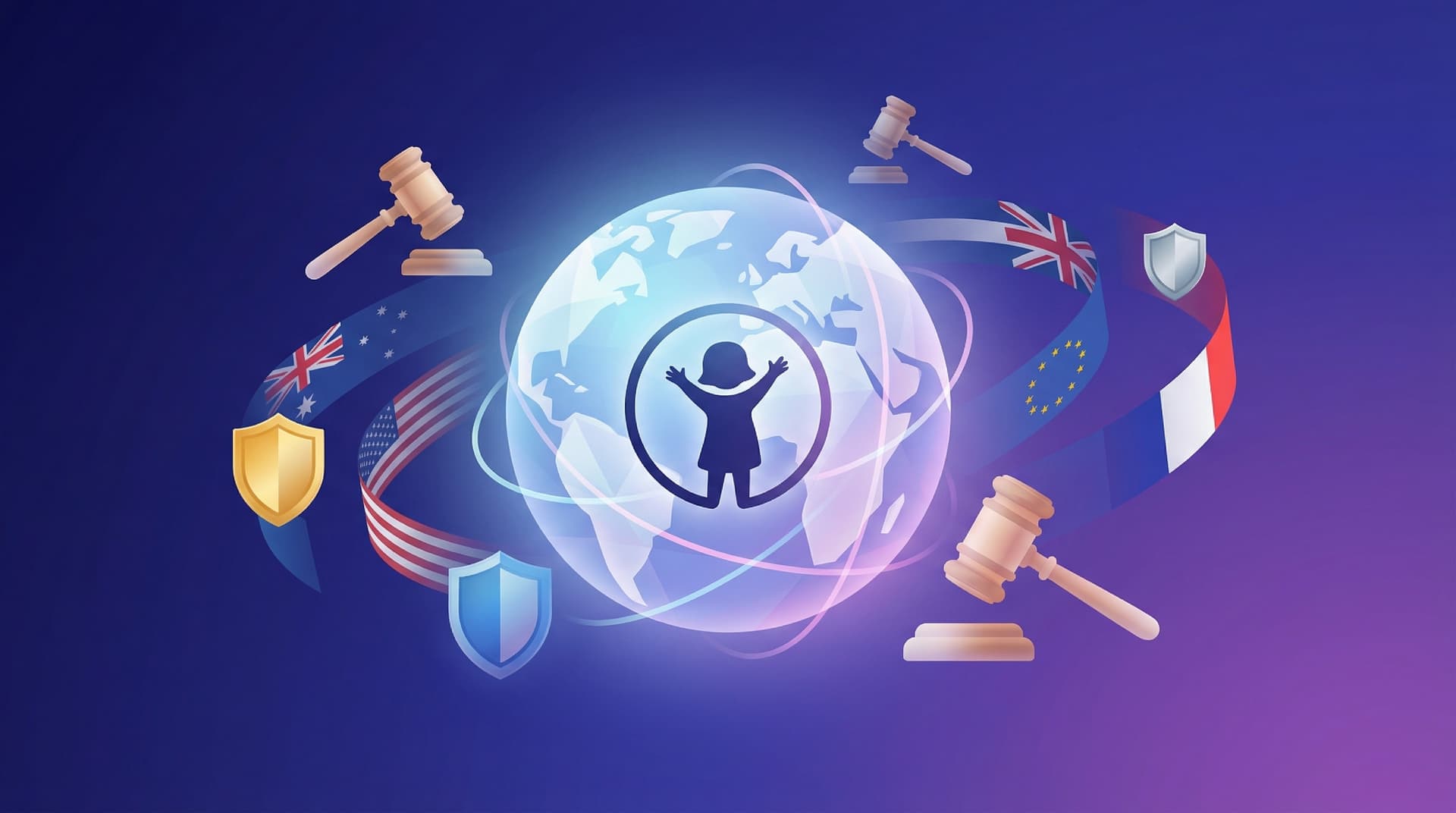
The global scene is changing fast, too. Countries like Australia and Greece are looking into similar age restrictions. It shows a growing agreement that platforms need to change. This wider trend highlights why parents need tools that can adapt to new rules and offer consistent protection across all devices.
Protection for the Devices Your Child Uses
How Parents Can Really Protect Children from Harmful Online Content
Protecting kids online isn't about one single "magic" setting; it’s about taking an active role in what they’re seeing. As the UK tightens the screws on social media companies, parents should probably start doing the same at home. Instead of just blocking the "bad" stuff, the better move is often to curate the "good" stuff. This means knowing what they are watching and why.
WhitelistVideo gives you the tools for this level of control. Our Channel Whitelisting feature lets you approve specific YouTube channels. This ensures only trusted, educational, or age-appropriate content is available. Everything else is blocked by default, which cuts out algorithm surprises. Plus, for those who want a more guided approach, our Auto-pilot Mode lets you set category rules (e.g., "allow educational, block gaming"). This screens every video automatically, making digital parenting simpler without sacrificing safety.
The platform works across all devices—from desktop browsers to iOS, Android, and Android TV apps. A key benefit is that WhitelistVideo works without needing YouTube accounts. This is particularly useful for parents in places with strict age verification who have struggled with supervised accounts. Finally, our built-in Request System teaches digital responsibility. Kids can ask for new channels, and you can approve or deny them from your own device, which keeps the conversation open.
What This Means for Social Media and Family Digital Wellness
The UK’s move is a big deal. It’s a sign that the era of "wild west" social media for kids is ending. We’re likely going to see a lot more pressure on tech companies to build apps that aren't designed to be addictive from the ground up. It’s a win for digital wellness, even if it feels like a lot of change at once. This legislative pressure will likely speed up the creation of safer-by-design platforms.
For families, this means a shift toward more intentional screen time. It’s not about banning the internet; it’s about making sure the internet is actually useful. By combining these new laws with tools that give parents real control, we can get to a place where kids can use technology without it using them. It empowers parents to actively shape a positive, secure online experience, making sure kids can explore without accidentally running into harm.
Frequently Asked Questions
What is the UK's stance on social media for under-16s?
The UK government is committed to imposing age or functionality-based restrictions on social media for children under 16, regardless of the outcomes from its ongoing Children's Digital Wellbeing consultation. This commitment follows the Royal Assent of the Children's Wellbeing and Schools Act, signaling a firm direction towards enhanced child online safety.
What are 'addictive features' on social media platforms?
Addictive features typically refer to design elements like infinite scroll, autoplay videos, constant notifications, and short-form content (e.g., YouTube Shorts) that are engineered to maximize user engagement and screen time. These features can exploit developing brains, leading to compulsive use and potential mental health issues.
How does the Children's Wellbeing and Schools Act relate to these new restrictions?
The Children's Wellbeing and Schools Act provides the legal framework for the UK government to implement measures aimed at protecting children's welfare, including their digital wellbeing. This act underpins the government's ability to introduce specific regulations for social media platforms concerning under-16s, focusing on harmful content and design.
Why are existing parental controls often insufficient?
Many built-in parental controls, such as YouTube's Restricted Mode, are easily bypassed by tech-savvy children or simply don't filter content effectively enough, leaving gaps where harmful or age-inappropriate material can still reach children. This highlights the need for more robust, bypass-proof solutions that put parents firmly in control.
How can parents prepare for stricter social media regulations?
Parents can prepare by actively seeking robust third-party parental control tools that go beyond basic platform settings. Solutions like WhitelistVideo allow parents to proactively curate content, block addictive features, and ensure a safe, educational online environment that aligns with future regulatory landscapes.
Take Control of Your Child's Digital World Today
The UK's proactive stance on protecting children online shows just how crucial effective parental controls are. While regulations change, parents can immediately put strong solutions in place to keep their children safe online. WhitelistVideo offers the tools to create a truly safe and enriching YouTube experience, free from unwanted content and addictive features.
Try WhitelistVideo Free → https://whitelist.video/download
Take Control of Your Child's YouTube
WhitelistVideo empowers you to handpick safe, educational channels and block addictive features on every device.
Frequently Asked Questions
The UK government is committed to imposing age or functionality-based restrictions on social media for children under 16, regardless of the outcomes from its ongoing Children's Digital Wellbeing consultation. This commitment follows the Royal Assent of the Children's Wellbeing and Schools Act, signaling a firm direction towards enhanced child online safety.
Addictive features typically refer to design elements like infinite scroll, autoplay videos, constant notifications, and short-form content (e.g., YouTube Shorts) that are engineered to maximize user engagement and screen time. These features can exploit developing brains, leading to compulsive use and potential mental health issues.
The Children's Wellbeing and Schools Act provides the legal framework for the UK government to implement measures aimed at protecting children's welfare, including their digital wellbeing. This act underpins the government's ability to introduce specific regulations for social media platforms concerning under-16s, focusing on harmful content and design.
Many built-in parental controls, such as YouTube's Restricted Mode, are easily bypassed by tech-savvy children or simply don't filter content effectively enough, leaving gaps where harmful or age-inappropriate material can still reach children. This highlights the need for more robust, bypass-proof solutions that put parents firmly in control.
Parents can prepare by actively seeking robust third-party parental control tools that go beyond basic platform settings. Solutions like WhitelistVideo allow parents to proactively curate content, block addictive features, and ensure a safe, educational online environment that aligns with future regulatory landscapes.







Published May 13, 2026 · Updated September 6, 2026

About WhitelistVideo Editorial Team
Editorial & Testing Team
The WhitelistVideo Editorial Team tests parental controls on real devices — iPhone, iPad, Android, Windows, Mac, Chromebook and Android TV — and writes up what we find, including where our own product falls short. Where a claim comes from a vendor's own documentation or from third-party testing, we cite it. Articles are reviewed by Arul Prakash, the founder of WhitelistVideo.
You Might Also Like
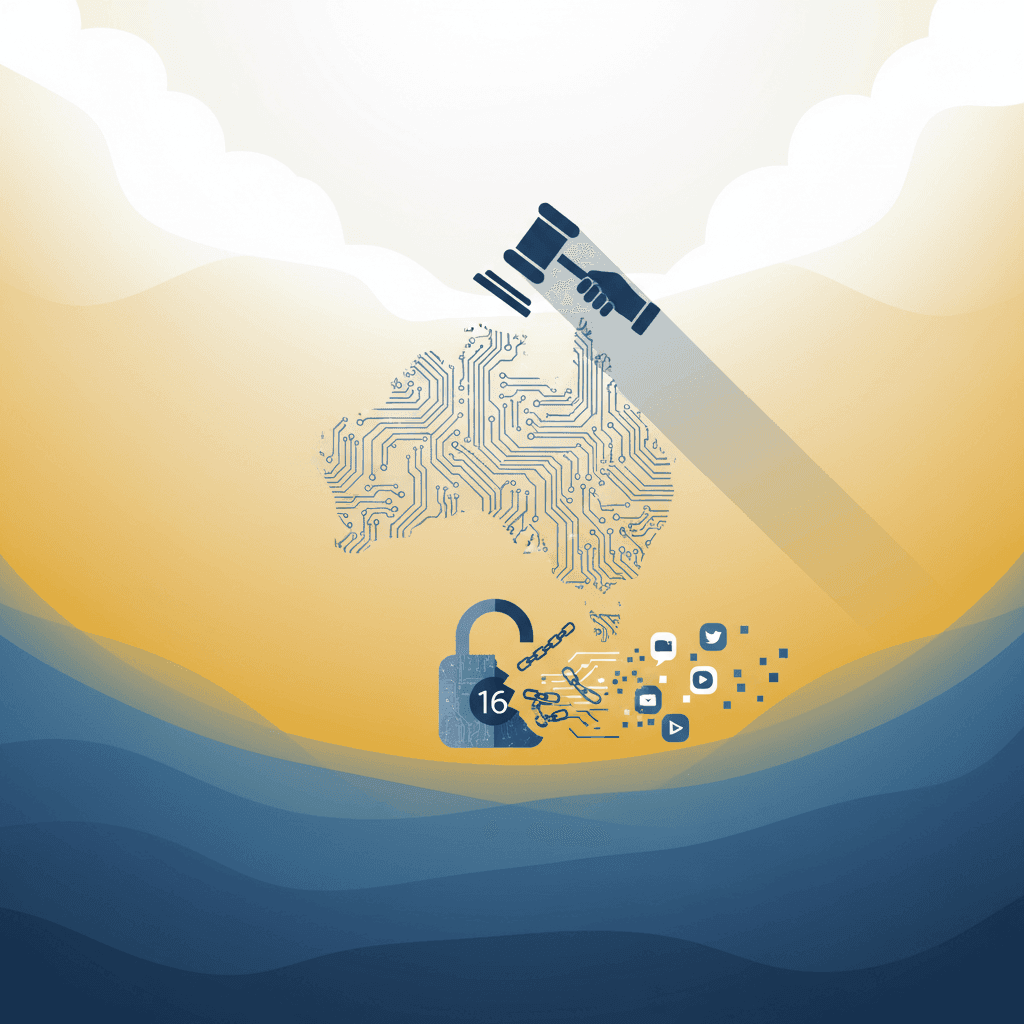
Aussie Crackdown: Social Media Fails Under-16 Ban, Legal Action Looms
Australia's eSafety Commissioner is threatening legal action against tech giants like YouTube and TikTok for failing to enforce the under-16 social media ban. Weak age verification systems mean underage users are still widely active, prompting parents to seek more effective digital safety tools.
Every Country Regulating Kids' Social Media in 2026
From Australia's under-16 ban to KOSA, countries worldwide are cracking down on kids' social media — every regulation, its status, and what parents should do.

Greece Bans Under-15 Social Media: What Parents Need to Know
Greece is joining the EU's push to ban social media for children under 15 by 2027, enforcing stricter age verification. Learn what this means for digital safety and how parents can proactively protect their kids online.
Curious what Google knows about us?
Add WhitelistVideo as a trusted source on Google — get instant context on how families keep kids safe on YouTube.
Ask Google about WhitelistVideo