

要約 (TL;DR)
Windows Family Safety は厳格なスケジュール管理に優れています。macOS Screen Time は、家庭内のデバイスがApple製品のみであれば機能しますが、ウェブフィルターは驚くほど簡単に回避できてしまいます。iOS はモバイルオプションの中で最も制限が厳しく、一方で Android Family Link はスマートフォンと Chromebook が混在する環境の管理に最適です。
しかし、共通の深刻な問題があります。どのOSもYouTubeをチャンネル単位でフィルタリングできないのです。 アプリ全体をブロックするか、YouTubeの「制限付きモード」が不適切な動画をキャッチしてくれるのを祈るしかありません。そして、制限付きモードはしばしば失敗します。WhitelistVideo は、これら5つのプラットフォームすべてで、特定のチャンネルだけを選んで見せることができる唯一のツールです。
WhitelistVideoはお子様に適していますか?
お子様が使っているデバイスと年齢に関する4つの簡単な質問に答えて、最適な設定方法を見つけましょう。
10,000組以上のファミリーが利用 · 無料全プラットフォーム比較マトリックス
以下の表は、各OSに組み込まれている標準ツールの実態をまとめたものです。追加の有料ソフトウェアを含まない、デフォルトの機能に基づいています。
横にスクロールしてすべての列を表示できます。
| 機能 | Windows (Family Safety) | macOS (Screen Time) | iOS (Screen Time) | Android (Family Link) | ChromeOS (Family Link) |
|---|---|---|---|---|---|
| 料金 | 無料 | 無料 | 無料 | 無料 | 無料 |
| 利用時間制限 | ✅ アプリ別・日別 | ✅ アプリ別・日別 | ✅ アプリ別・日別 | ✅ アプリ別・日別 | ✅ アプリ別・日別 |
| ウェブフィルタリング | ✅ Edgeのみ | ⚠️ 基本的 (Safariのみ) | ✅ カテゴリベース | ✅ Chromeのみ | ✅ Chromeのみ |
| アプリ制限 | ✅ 特定アプリのブロック/許可 | ✅ 特定アプリのブロック/許可 | ✅ ブロック/許可 + 年齢制限 | ✅ 特定アプリのブロック/許可 | ✅ 特定アプリのブロック/許可 |
| 位置情報追跡 | ❌ 不可 | ⚠️ 探す (限定的) | ✅ 探す (Find My) | ✅ リアルタイムGPS | ❌ 不可 |
| YouTubeチャンネルフィルタリング | ❌ 不可 | ❌ 不可 | ❌ 不可 | ❌ 不可 | ❌ 不可 |
| YouTube制限付きモード | ⚠️ 手動切り替え | ⚠️ 手動切り替え | ⚠️ 手動切り替え | ⚠️ Family Link経由 | ⚠️ Family Link経由 |
| クロスプラットフォーム管理 | ⚠️ Windows + Xboxのみ | ⚠️ Appleデバイスのみ | ⚠️ Appleデバイスのみ | ✅ Android + ChromeOS | ✅ ChromeOS + Android |
| 回避の難易度 | ⚠️ 中 (他ブラウザ使用) | ⚠️ 中 (管理者パスワード) | ✅ 高 (パスコードなしでは困難) | ⚠️ 中 (初期化) | ⚠️ 中 (ゲストモード) |
| アクティビティレポート | ✅ 詳細な週次レポート | ⚠️ 基本的な使用統計 | ⚠️ 基本的な使用統計 | ✅ 詳細な日次/週次 | ✅ 詳細な日次/週次 |
| 年齢制限 | アカウント削除まで | アカウント削除まで | アカウント削除まで | 13歳で終了 | 13歳で終了 |
Windows Family Safety:強力なスケジュール管理、脆弱なエコシステム
Microsoft Family SafetyはWindows 10および11に組み込まれています。ウェブ上のダッシュボードまたはモバイルアプリから管理します。古いシステムですが、基本機能はしっかりしています。
強み
- 詳細なスケジュール設定: 平日と週末で異なる時間枠を設定したり、特定のアプリに上限を設けたりできます。
- 週次レポート: 毎週、子供が何を検索し、どのアプリをどれだけ使ったかを示すメールが届きます。
- Xboxとの統合: 子供がXboxで遊ぶ場合、設定した制限が自動的にコンソールにも適用されます。
- 購入管理: Microsoft Storeで何かを購入する前に、保護者の承認を必須にできます。
弱点
- Edge問題: ウェブフィルタリングはMicrosoft Edgeを使用している場合のみ機能します。ChromeやFirefoxをダウンロードされると、フィルターは無意味になります。
- 位置情報なし: Windowsには、デバイスの現在地を地図上で確認する標準機能がありません。
- 回避が容易: 技術に詳しい子供なら、別のブラウザやポータブルアプリを使ってウェブブロックをすり抜ける方法を見つけてしまいます。
- YouTube: 特定のチャンネルをフィルタリングする方法はありません。
お子様はYouTubeを見るためにどのデバイスを使っていますか?
macOS Screen Time:エコシステムの囲い込み、限定的なフィルタリング
macOSのスクリーンタイムは、iPhoneのそれとほぼ同じ見た目です。ファミリー共有を使っていれば設定は簡単ですが、Mac上では後付けのような印象を受けることもあります。
強み
- リモート管理: 自分のiPhoneやiPadから設定を変更できます。
- 通信の制限: 「休止時間」中に誰とメッセージやFaceTimeができるかを細かく指定できます。
- App Storeの年齢制限: 年齢に基づいてアプリをブロックするのが簡単です(例:17歳以上向けアプリの禁止)。
弱点
- 弱いウェブフィルター: 「成人向けウェブサイトを制限」の設定は不安定で、実質的にSafariでしか機能しません。
- 曖昧なレポート: アプリをどのくらいの時間使ったかは分かりますが、実際に何をしていたか、何を見ていたかまでは分かりません。
- Apple専用: AndroidスマートフォンやWindows PCを管理するためにこれを使うことはできません。
- YouTubeの死角: スクリーンタイムはYouTubeの中身までは見ることができません。サイト全体を許可するか、禁止するかしかありません。
iOS Screen Time + Content Restrictions:最も堅牢なモバイル管理
デバイスを可能な限り厳格にロックダウンしたいのであれば、iPhoneやiPadが最良の選択です。Appleの「コンテンツとプライバシーの制限」は、他のモバイルプラットフォームよりもはるかに深いところまで制限をかけることができます。
強み
- 深い制限機能: カメラの使用、アプリ内課金、さらにはデバイスのパスコード変更までブロックできます。
- 通信の安全性: 子供の目に触れる前に、メッセージ内の「不適切な」写真を自動的にぼかすことができます。
- 探す (Find My): 位置情報追跡は非常に優秀で、子供がこれを無効にするのは極めて困難です。
- 突破が困難: 4桁のスクリーンタイム・パスコードがない限り、制限を回避する方法はほとんどありません。
弱点
- YouTubeの壁: アプリをブロックすることはできますが、中身を精査(キュレーション)することはできません。
- 保護者のハードウェア: 子供のデバイスを効果的に管理するには、保護者自身もiPhoneを使っている必要があります。
- クロスプラットフォーム非対応: 学校で使うChromebookの管理には役に立ちません。
- YouTube Kidsの限界: 多くの子供は8歳か9歳になるとYouTube Kidsを「赤ちゃんっぽい」と感じるようになりますが、その次の中間的な選択肢がありません。
Android Family Link:最高のクロスデバイス管理
Google Family Linkは、家族全員がApple製品というわけではない家庭にとって、最も柔軟なツールです。一つのアプリからスマホとChromebookの両方を管理するのに適しています。
強み
- 一つのアプリですべてを管理: AndroidスマホとChromebookを一つの場所で管理できます。
- 位置情報追跡: 「通知する場所」(学校に到着したときなど)の設定が可能なリアルタイムGPS。
- Play Storeの制御: 子供がアプリをダウンロードしようとするたびに、保護者のスマホに承認/拒否の通知が届きます。
- YouTubeの管理機能: コンテンツの「レベル」を3段階で設定でき、何もないよりはマシですが、完璧ではありません。
弱点
- 「13歳の壁」: これが最大の悩みどころです。子供が13歳になると、Googleは子供自身に「アカウントを自分で管理できる」というメールを送ります。それ以降、管理は実質的に本人の任意になってしまいます。
- チャンネルのホワイトリスト化不可: 「管理機能」を使っていても、特定のチャンネルを選ぶことはできません。Family LinkのYouTube制限についての詳細はこちら。
- 初期化による回避: 子供がスマホを工場出荷状態にリセットする知恵があれば、Family Linkは消えてしまいます。
ChromeOS 管理プロファイル:学校には最適、家庭では限定的
Chromebookは学校教育の標準となっており、そのペアレンタルコントロールはOSに直接組み込まれています。Chromebook設定ガイドの全文で詳細を確認してください。
強み
- ユーザープロファイル: ログインした瞬間から制限がかかる、専用の「子供用」プロファイルを作成できます。
- ウェブファースト: Chromebookは実質的にブラウザそのものであるため、MacやPCよりもウェブフィルターが効果的に機能します。
- 価格: 実際にコントロール可能な専用デバイスを子供に持たせる方法としては、最も安価です。
弱点
- YouTubeの制限: Androidと同様、Googleが用意した大まかなカテゴリに縛られます。チャンネルレベルの制御はできません。
- ゲストモード: 設定でゲストモードを無効にし忘れると、子供はフィルターなしでブラウジングできてしまいます。
- GPSなし: ほとんどのChromebookにはGPSが搭載されていないため、位置情報追跡は期待できません。
YouTubeのギャップ:標準機能で解決できないこと
比較表をもう一度見ると、ある傾向に気づくはずです。すべてのオペレーティングシステムがYouTubeにおいて失敗しています。
どのOSも、以下の2つの「悪い選択肢」しか与えてくれません。
- 究極の選択: YouTubeを完全にブロックし、すべての教育コンテンツや音楽も諦める。
- 「運を天に任せる」選択: 制限付きモードをオンにし、アルゴリズムが変な動画をキャッチしてくれるのを祈る。(現実には、不適切なコンテンツの約30〜40%が漏れてしまいます)
「うちの子は Mark Rober や National Geographic は見てもいいけど、それ以外はダメ」という設定をさせてくれるプラットフォームは一つもありません。
問題は、これらのツールがYouTubeを単一のアプリとしてしか見ていないことです。科学の実験動画と「チャレンジ」動画の違いを判別できません。OSにとっては、すべてただの「youtube.com」なのです。
WhitelistVideoがいかに全プラットフォームの隙間を埋めるか
WhitelistVideo は、何が悪いかを推測しようとはしません。その代わりに、保護者が明示的に承認したチャンネルだけを表示します。「ブラックリスト」方式ではなく「ホワイトリスト」方式です。
各デバイスでの動作は以下の通りです。
横にスクロールしてすべての列を表示できます。
| プラットフォーム | WhitelistVideoの仕組み | セットアップ |
|---|---|---|
| Windows | Chrome拡張機能 + ロックイン | 拡張機能と「防止」ツールのインストール |
| macOS | Chrome拡張機能 + ロックイン | 拡張機能と「防止」ツールのインストール |
| iOS | iOS チャイルドアプリ | App Storeから入手 |
| Android | Android チャイルドアプリ | Google Playから入手 |
| ChromeOS | Chrome拡張機能 | Chrome ウェブストアからインストール |
| Android TV | Android TVアプリ | テレビに直接インストール |
管理はすべて app.whitelist.video の一つのダッシュボードで行います。自分のスマホでチャンネルを承認すれば、即座に子供のChromebookやリビングのテレビに反映されます。
これは標準ツールと「併用」することを前提としています。夜8時の利用終了制限にはスクリーンタイムを使い、オンライン中にジャンク動画を見ていないことを確実にするために WhitelistVideo を使ってください。
子供のためにどのプラットフォームを選ぶべきか?
新しいデバイスの購入を検討しているなら、以下が実践的なアドバイスです。
- 小さなお子様 (4-8歳): iPadを選びましょう。最も強力な「ロックダウン」機能を備えています。変なYouTubeの迷宮に入り込まないよう、WhitelistVideoアプリを追加するのを忘れないでください。
- 学童期の子供 (8-12歳): Chromebookが最もコストパフォーマンスに優れています。Family Linkで管理しやすく、WhitelistVideoの拡張機能も完璧に動作します。改ざん防止のため、学校のIT担当に拡張機能の強制インストールを依頼するか、個人用Chromebookであれば拡張機能が削除された際に保護者ダッシュボードで即座に通知を受け取れるようにしましょう。
- ティーンエイジャー (12歳以上): iPhoneでもAndroidでも構いませんが、AndroidのFamily Linkは13歳で「任意」になることに注意してください。
- 家族用PC: WindowsでもMacでも構いませんが、子供が拡張機能を簡単に削除できないよう、WhitelistVideoのデスクトップインストーラーを使用してください。
戦略はシンプルです。基本機能(時間制限やアプリブロック)には無料の標準ツールを使い、YouTubeにはWhitelistVideoを使いましょう。
すべてのデバイスでYouTubeの保護を開始しましょう
巨大テック企業は基本機能を提供してくれますが、世界で最も人気のあるアプリに関しては、大きな穴を残したままにしています。
今すぐお子様のデバイスに WhitelistVideoをダウンロード してください。セットアップは約5分で完了し、自動再生が次に何を見せるかを心配する必要はもうなくなります。
あらゆるプラットフォームでYouTubeの安全を守る一つの解決策
WhitelistVideoは、Windows、macOS、iOS、Android、ChromeOS、そしてAndroid TVで動作します。一つのホワイトリストで、すべてのデバイスをカバー。
よくある質問
各プラットフォームにはそれぞれ強みがあります。Windows Family Safetyはスケジュール管理とアプリ制限に優れています。macOS Screen Timeは強力なアプリ制限を提供しますが、ウェブフィルタリングは弱めです。iOSはContent Restrictionsにより最も制限の厳しいコンテンツ制御が可能です。Android Family Linkはデバイスを跨いだ管理に最適です。ChromeOSは学校教育に理想的な管理プロファイルを提供します。しかし、どのプラットフォームもYouTubeのチャンネル単位のフィルタリングは解決できていません。5つのプラットフォームすべてでそのギャップを埋められるのはWhitelistVideoだけです。
iOSは、アプリ、ウェブ、メディアのきめ細かな制御により、コンテンツ制限の深さでリードしています。Android Family Linkは、複数デバイスの管理と位置情報追跡において最強です。Windows Family Safetyは、最も優れた利用時間レポート機能を備えています。ChromeOSの管理プロファイルは教育現場に最適です。macOS Screen Timeは、ウェブフィルタリングが限定的で位置情報追跡もないため、全体的に最も弱いです。特にYouTubeに関しては、5つのプラットフォームすべてが同様に不十分であり、チャンネル単位のホワイトリスト登録機能は提供されていません。
Windows、macOS、iOS、Android、ChromeOSのいずれのOSに組み込まれたペアレンタルコントロールも、YouTubeをチャンネルレベルでフィルタリングすることはできません。5つのOSすべてがYouTube独自の制限付きモードに依存していますが、これでは不適切なコンテンツの30〜40%を見逃してしまいます。WhitelistVideoは、保護者が特定のYouTubeチャンネルを承認できる唯一のクロスプラットフォーム・ソリューションであり、これら5つのOSすべてで動作します。
標準のツールはプラットフォームを跨いで機能しません。Windows Family SafetyはWindowsのみ、Screen TimeはAppleデバイスのみ、Family LinkはAndroid/ChromeOSのみで動作します。YouTubeの保護に関しては、WhitelistVideoがChrome拡張機能(Windows、macOS、ChromeOS)、iOSチャイルドアプリ、Androidチャイルドアプリを通じて、5つのプラットフォームすべてで動作し、一つの統合された保護者用ダッシュボードで管理できます。
5つのプラットフォームすべてに共通する弱点はYouTubeのフィルタリングです。すべての標準ツールは、YouTubeを完全にブロックするか、信頼性の低いYouTube制限付きモードに依存するかのどちらかです。その他の弱点として、Windowsは位置情報追跡の欠如、macOSは弱いウェブフィルタリング、iOSはApple以外のデバイスを管理できないこと、Android Family Linkは13歳で管理が終了すること、ChromeOSはブラウザ内の制御に限定されることが挙げられます。WhitelistVideoは、これらすべてのプラットフォームにおけるYouTubeの欠落を補完します。







公開日:2026年4月29日 · 更新日:2026年4月29日
こちらもおすすめ

Bark vs Qustodio vs WhitelistVideo:2026年徹底比較
Bark、Qustodio、WhitelistVideoを比較。YouTubeで子供を保護できるのはどのペアレンタルコントロールか、回避可能なものはどれか、そして最もコスパが良いのはどれかを解説します。

Chromebookペアレンタルコントロール:完全設定ガイド (2026年版)
Chromebookのペアレンタルコントロールを10分で設定。学校配布用と個人用の両方のChromebookに対応。Chrome OS 122(2026年)向けに更新された、スクリーンショット付きの無料ステップバイステップガイド。
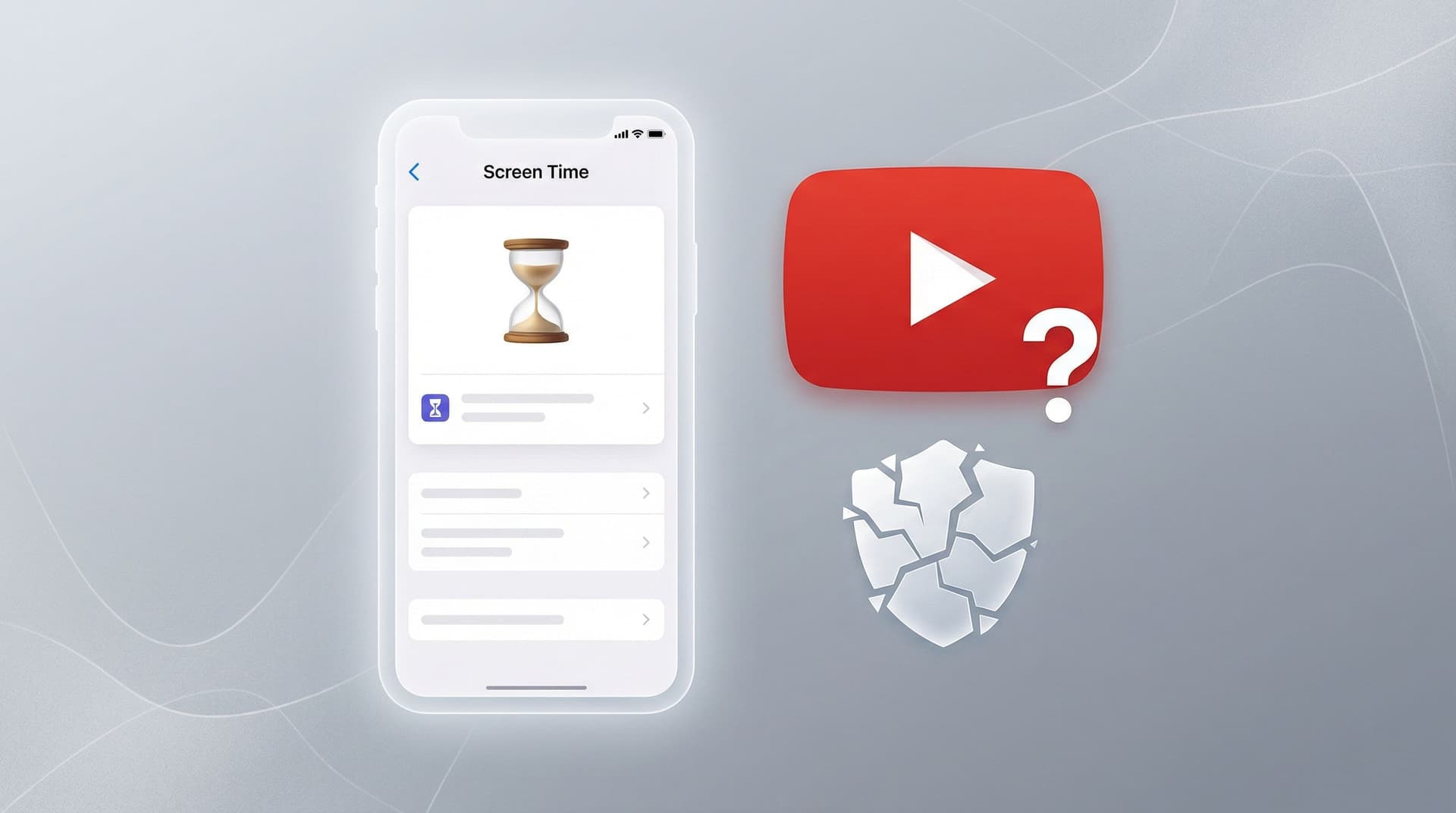
AppleスクリーンタイムがYouTubeコンテンツをフィルタリングできない理由(そして何が機能するか)
Appleスクリーンタイムは子供がYouTubeを使用する時間を制限しますが、視聴内容をフィルタリングすることはできません。スクリーンタイムがYouTubeで失敗する理由と、iPhoneとiPadで実際に機能するものを学びましょう。
Google が私たちについて何を知っているか気になりますか?
Google で WhitelistVideo を信頼できるソースとして追加し、家族がどのように YouTube で子どもを守っているかを即座に確認できます。
Ask Google about WhitelistVideo