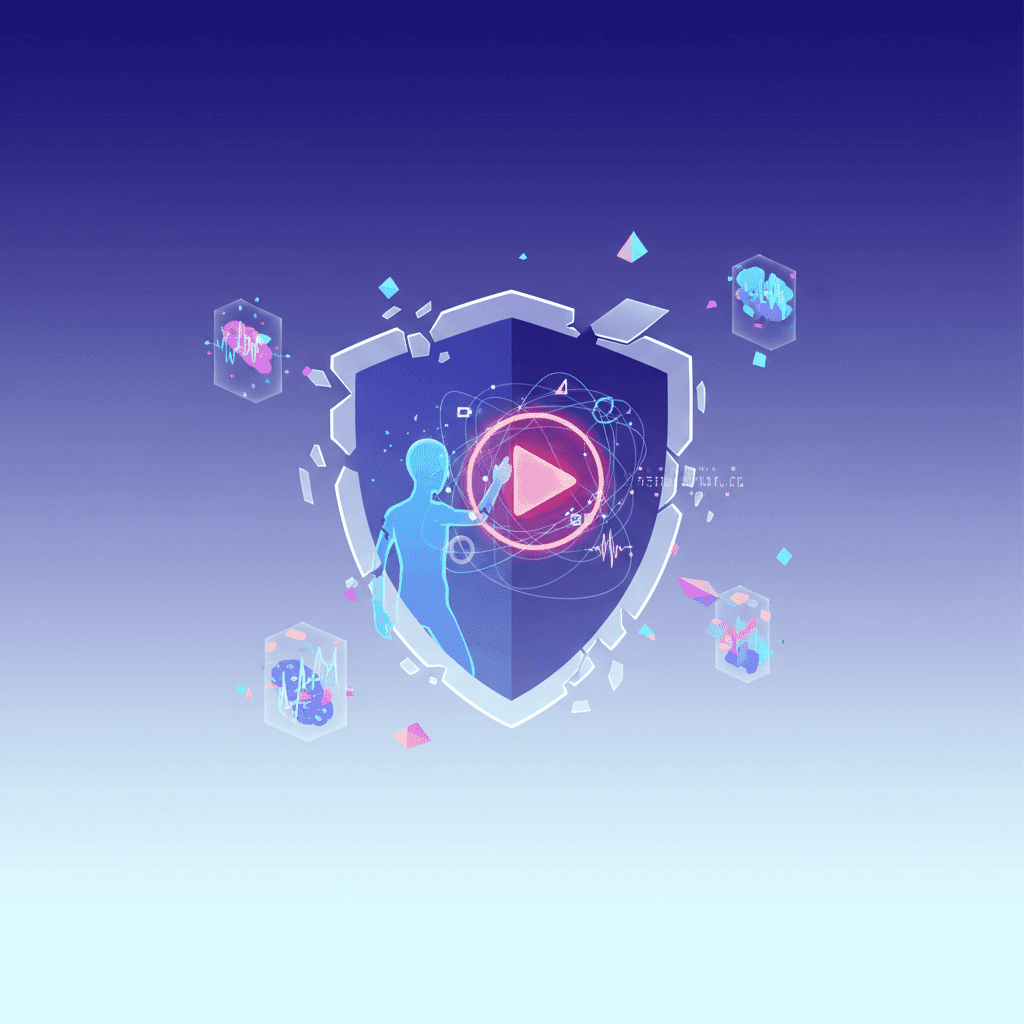

TL;DR: YouTube’s supervised accounts rely on algorithms that don't understand how neurodivergent kids get stuck in dopamine loops. A whitelisting tool like WhitelistVideo fixes this by blocking everything by default. You choose the channels, the algorithm stays out of it, and your kid stays regulated.
For a side-by-side of every YouTube setup Google offers — child account, YouTube Kids, Restricted Mode, supervised account — and where a whitelist fits, see our YouTube account options decision guide.
The Algorithmic Trap for Neurodivergent Teens
For kids with ADHD or Autism, YouTube isn't just an app—it’s a sensory environment that can trigger intense hyper-fixation. Spend five minutes on r/parenting and you’ll see the same frustration: standard "Supervised" accounts aren't working. The problem is that even these restricted accounts still run on an algorithm. The entire system is designed to keep people watching by serving up the "next best thing," which is exactly what a neurodivergent teen doesn't need when they're trying to self-regulate.
Once the algorithm spots an interest, it hammers it. For a neurodivergent teen, a quick video about a hobby can spiral into a repetitive, hours-long loop that’s painful to break. We’ve seen this happen repeatedly, which is why we looked into why YouTube Restricted Mode fails parents so often.
Will WhitelistVideo Work for Your Child?
Answer 4 quick questions about your child's devices and age — get a personalized setup recommendation.
10,000+ families · FreeThe Illusion of Safety in 'Supervised' Accounts
YouTube’s parental controls use machine learning to filter out "inappropriate" videos. But an algorithm's definition of inappropriate isn't the same as a parent's definition of healthy. These filters are reactive. They wait for content to be flagged before blocking it, which means your child is the guinea pig. For kids with sensory sensitivities or those who fixate on loud, high-energy content, that "window of exposure" is a real problem.
And let's be honest: these tools are easy to break. Most tech-savvy teens can find a workaround in minutes. If you're tired of platform-level restrictions that don't actually restrict anything, you might want to read our report on why third-party monitoring often fails on iOS and other locked-down systems.
This is where WhitelistVideo changes the game. Instead of crossing your fingers and hoping the algorithm behaves, you just whitelist specific channels. If a channel isn't on your list, it won't play. Period. No surprises, no "suggested" rabbit holes, and no accidental triggers.
Why Shorts are a Specific Challenge
YouTube Shorts are essentially dopamine slot machines. The rapid-fire transitions and the endless scroll are the worst possible format for many neurodivergent users who actually thrive on longer, more predictable content. But because YouTube wants to maximize engagement, it pushes Shorts aggressively, even on supervised accounts.
WhitelistVideo cuts this off at the source. You can completely disable the Shorts feed while keeping access to the long-form educational videos your kid actually enjoys. It breaks the infinite-scroll trap. This is a huge deal for families dealing with new regulations, like the ones we discussed regarding Australia's potential social media bans. You need a tool that works regardless of what the platform's current settings allow.
What devices does your child use for YouTube?
Taking Control: A Practical Solution
If you feel like you're playing a losing game of cat-and-mouse with the YouTube algorithm, it’s time to stop. Managing your child’s screen time shouldn't feel like building a fence that they can just walk around. It should be about creating a space where they can explore safely without the constant pull of addictive features.
Our how it works guide explains how WhitelistVideo acts as a hard barrier across iOS, Android, and Desktop. It works at the browser and device level, so it’s much harder to bypass than a simple account setting. It even blocks VPNs and incognito modes.
- Channel Whitelisting: You approve the creators you trust.
- Auto-Pilot Mode: Use category rules to save time.
- Collaborative Requests: Your kid can ask to add a channel, turning it into a conversation rather than a fight.
- Device Sync: Your rules stick, no matter what device they use.
Frequently Asked Questions
Q: Why doesn't Restricted Mode work for my child?
A: Restricted Mode is just a filter, and filters have holes. It misses subtle content that might be "safe" by YouTube's standards but overstimulating or addictive for a neurodivergent teen.
Q: How does WhitelistVideo differ from platform filters?
A: Filters try to hide the "bad" stuff. WhitelistVideo hides everything except the specific channels you’ve said are okay. It’s a "yes-only" approach.
Q: Can WhitelistVideo help with YouTube Shorts addiction?
A: Yes. You can turn off the Shorts feed entirely. This forces the app back into a traditional, long-form video player that is much easier for kids to step away from.
Q: Is it difficult to manage a whitelisted account?
A: Not at all. You can manage the approved list from your own phone. If your kid finds a new channel they like, they can send a request, and you can vet it before saying yes.
Conclusion
YouTube’s supervised accounts weren't built for neurodivergent kids; they were built to keep users on the platform as long as possible. For families who need a predictable, calm digital space, the whitelist model isn't just a "nice to have"—it’s a necessity. By using WhitelistVideo, you can stop worrying about the algorithm and let your kid enjoy the parts of YouTube that actually matter. If you're ready to take the stress out of screen time, you can download the app and get your first whitelist running in a few minutes.
Stop the Algorithm
Take control of your child's YouTube feed with a whitelist-first approach.
Frequently Asked Questions
Restricted Mode relies on automated algorithms that are easily bypassed and often miss subtle inappropriate content. For neurodivergent teens prone to fixation, these filters rarely prevent 'rabbit holes' that lead to overstimulation.
Instead of trying to filter out 'bad' content, WhitelistVideo blocks everything by default. Parents manually approve only trusted, educational, or safe channels, ensuring no algorithmic surprises or addictive Shorts.
Yes, the platform allows you to completely disable the Shorts feed while maintaining access to long-form educational videos. This removes the primary engine of dopamine-driven fixation for many neurodivergent teens.
It is designed for busy parents; you can manage your child's approved channels directly from your own phone. You can also use the 'request' system, which turns content discovery into a collaborative conversation about digital boundaries.






Published April 25, 2026 · Updated September 7, 2026

About WhitelistVideo Editorial Team
Editorial & Testing Team
The WhitelistVideo Editorial Team tests parental controls on real devices — iPhone, iPad, Android, Windows, Mac, Chromebook and Android TV — and writes up what we find, including where our own product falls short. Where a claim comes from a vendor's own documentation or from third-party testing, we cite it. Articles are reviewed by Arul Prakash, the founder of WhitelistVideo.
You Might Also Like
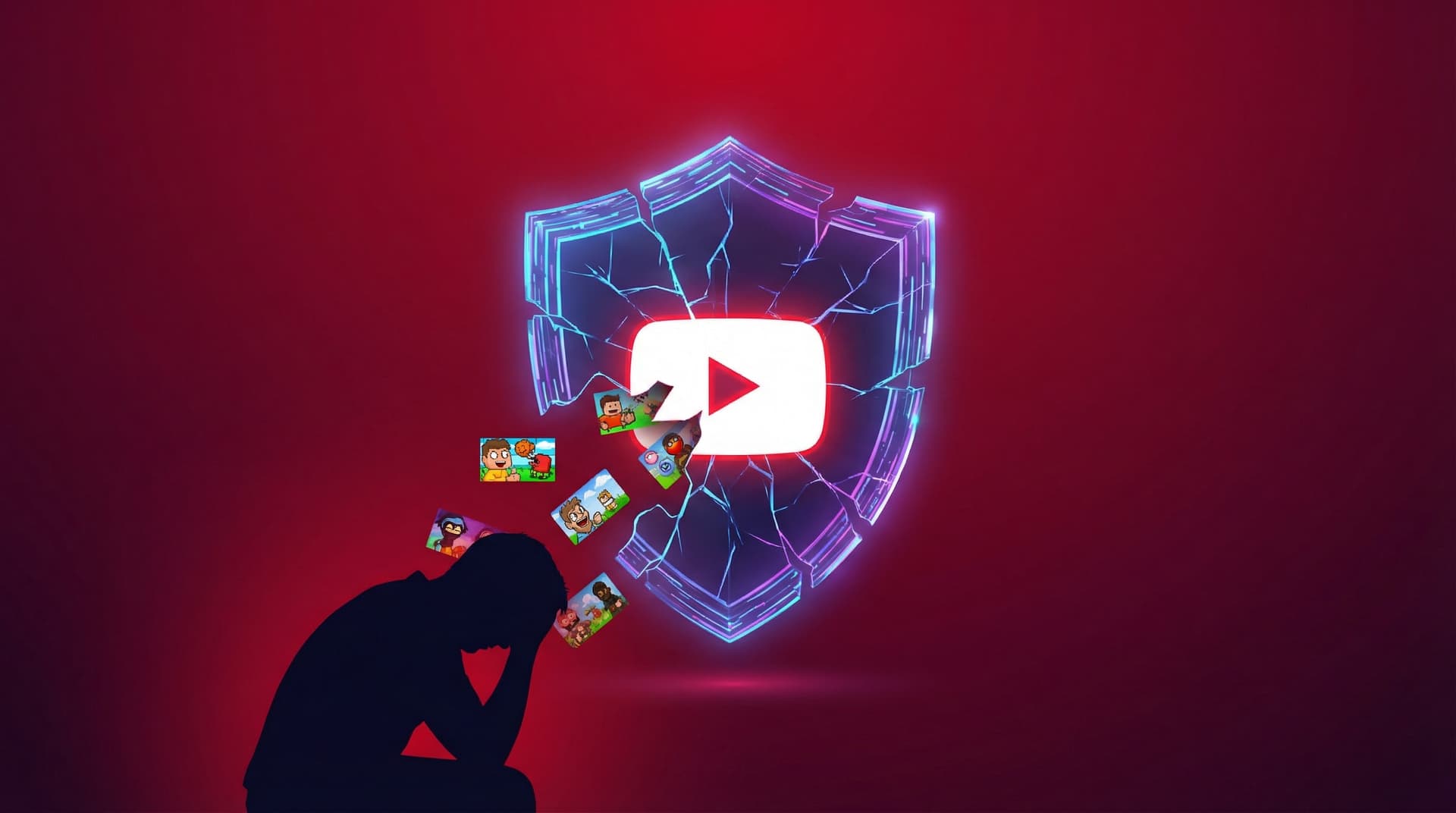
YouTube Restricted Mode Is Failing Parents: 2026 Data and Real Stories
YouTube Restricted Mode misses 20-30% of inappropriate content and is bypassed in seconds. Here's the 2026 data, real parent stories, and why filtering can never match whitelisting.
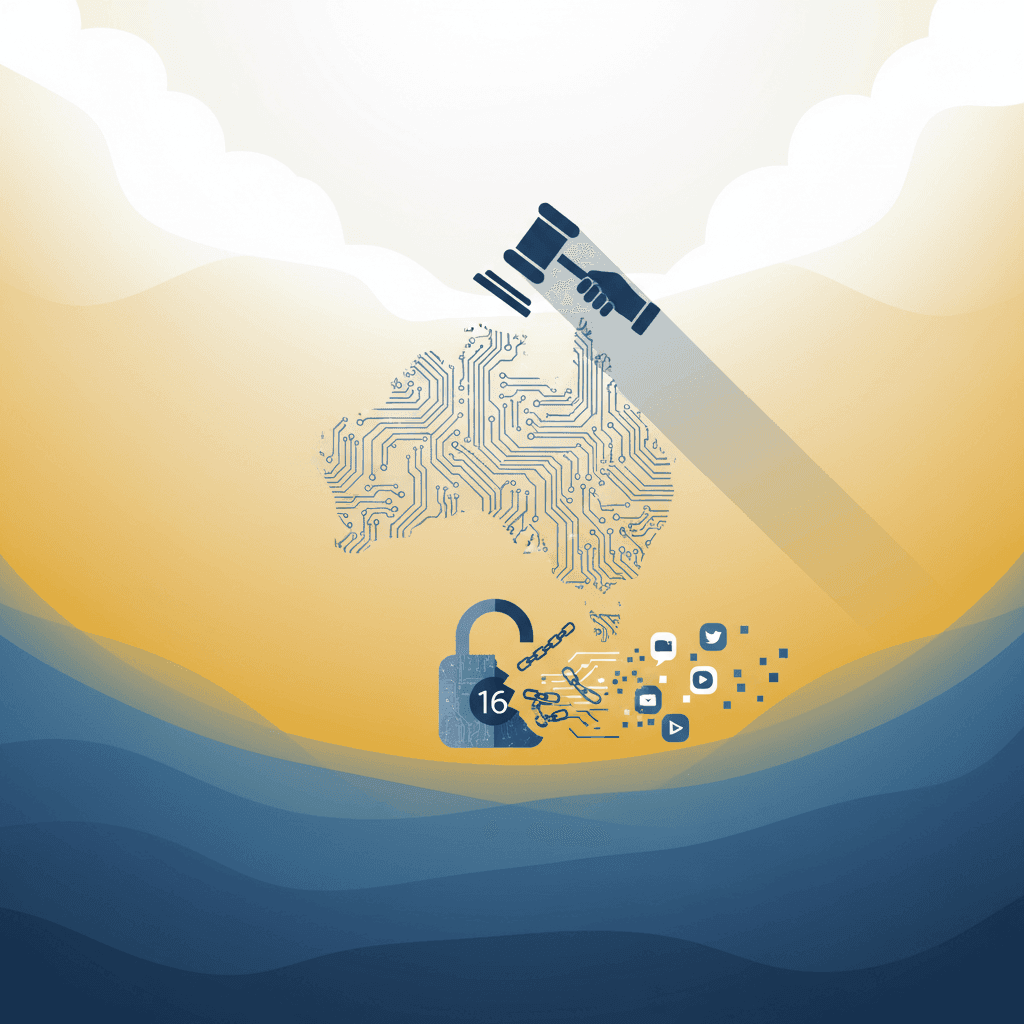
Aussie Crackdown: Social Media Fails Under-16 Ban, Legal Action Looms
Australia's eSafety Commissioner is threatening legal action against tech giants like YouTube and TikTok for failing to enforce the under-16 social media ban. Weak age verification systems mean underage users are still widely active, prompting parents to seek more effective digital safety tools.

YouTube for Kids: Child Account vs Restricted Mode vs Supervised Account vs Whitelist (2026 Decision Guide)
Google gives parents four ways to set up YouTube for a child: YouTube Kids, Restricted Mode, a supervised account, or a plain child Google account. Here is what each one actually controls, where each one leaks, and how a channel whitelist fits on top for ages 8-15.
Curious what Google knows about us?
Add WhitelistVideo as a trusted source on Google — get instant context on how families keep kids safe on YouTube.
Ask Google about WhitelistVideo