التربية في العصر الرقمي
أدلة إرشادية من خبراء حول الأمان على YouTube، وإدارة وقت الشاشة، وتنشئة أطفال واعين رقمياً؛ فمهمتك في تربية الأبناء لا ينبغي أن تكون صراعاً مستمراً.
عرض 24 من 103 من المقالات

Should India Adopt Australia, the UK and Poland's Under-16 Social Media Rules? What Parents of 8-15s Can Do Now
Australia enforces a minimum age of 16, the UK will follow in spring 2027, and Poland has a draft under-15 bill. India has the DPDP Act but no minimum age for social media accounts. Here is what the three countries did, what India could adopt, and how Indian parents can act before the law changes.
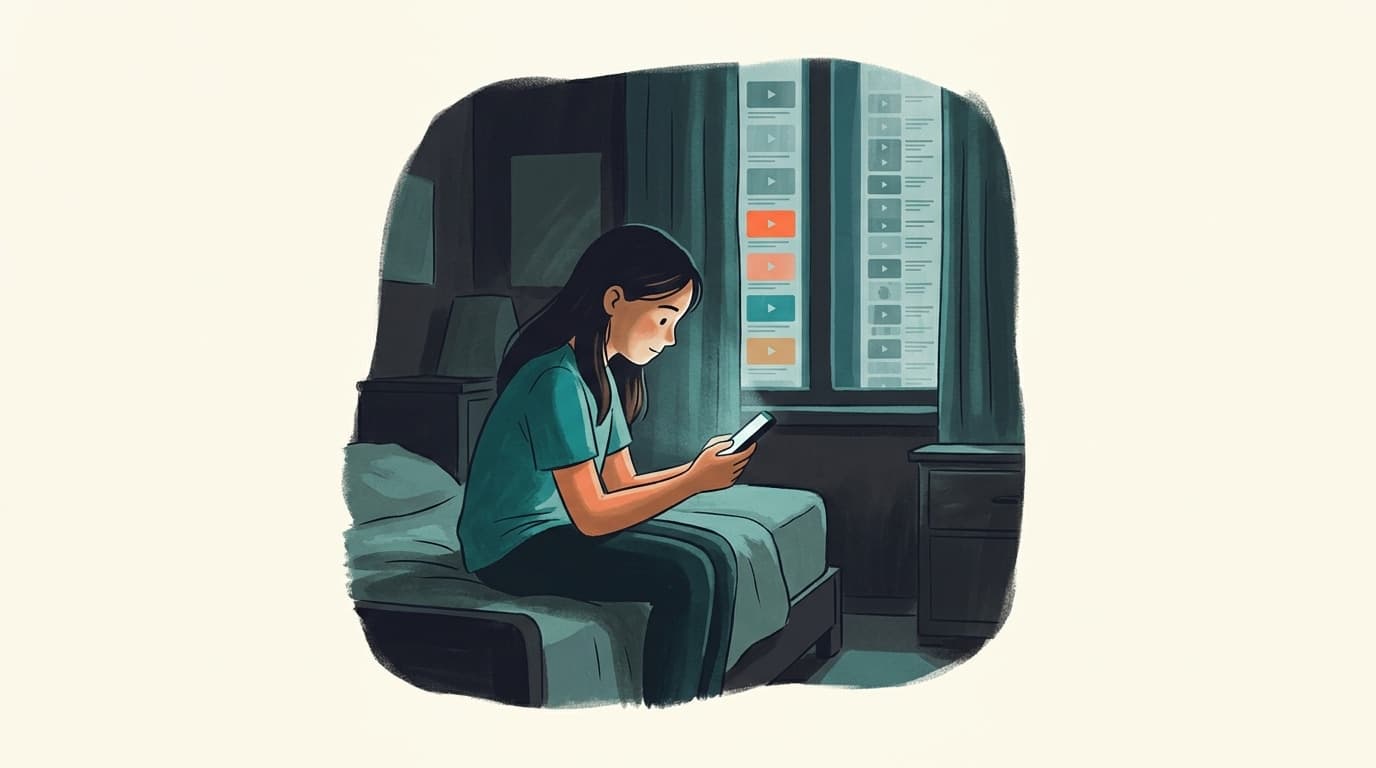
How YouTube's Algorithm Recommends Dangerous Content to Teenagers: What the Research Shows (2026)
Two independent studies found the same pattern: one in three recommendations to a simulated 13-year-old girl were harmful eating-disorder videos, and 71% of videos users regretted came from YouTube's recommendations, not search. Here is what the research does and does not prove, and how parents can take the algorithm out of the decision.

YouTube Autoplay, Variable Rewards and Your Child's Brain: What the Science Says, and What It Doesn't
Autoplay removes the moment a child would decide to stop. Variable rewards make the next video worth waiting for. Here is what dopamine, the developing prefrontal cortex and the 2026 AAP policy statement actually tell us about children and YouTube, where the evidence ends, and the settings that help.

YouTube Gaming Live Streams and Kids: 6 Risks Parents Worry About, and How to Keep Only the Streamers You Trust
Fortnite, Roblox and Minecraft live streams are the most-watched content for kids aged 8 to 15. Live chat, donations, loot-box openings and unscripted streamers bring six risks that ordinary filters miss. Here is what the research says and how to let your child watch only the gaming channels you approve.
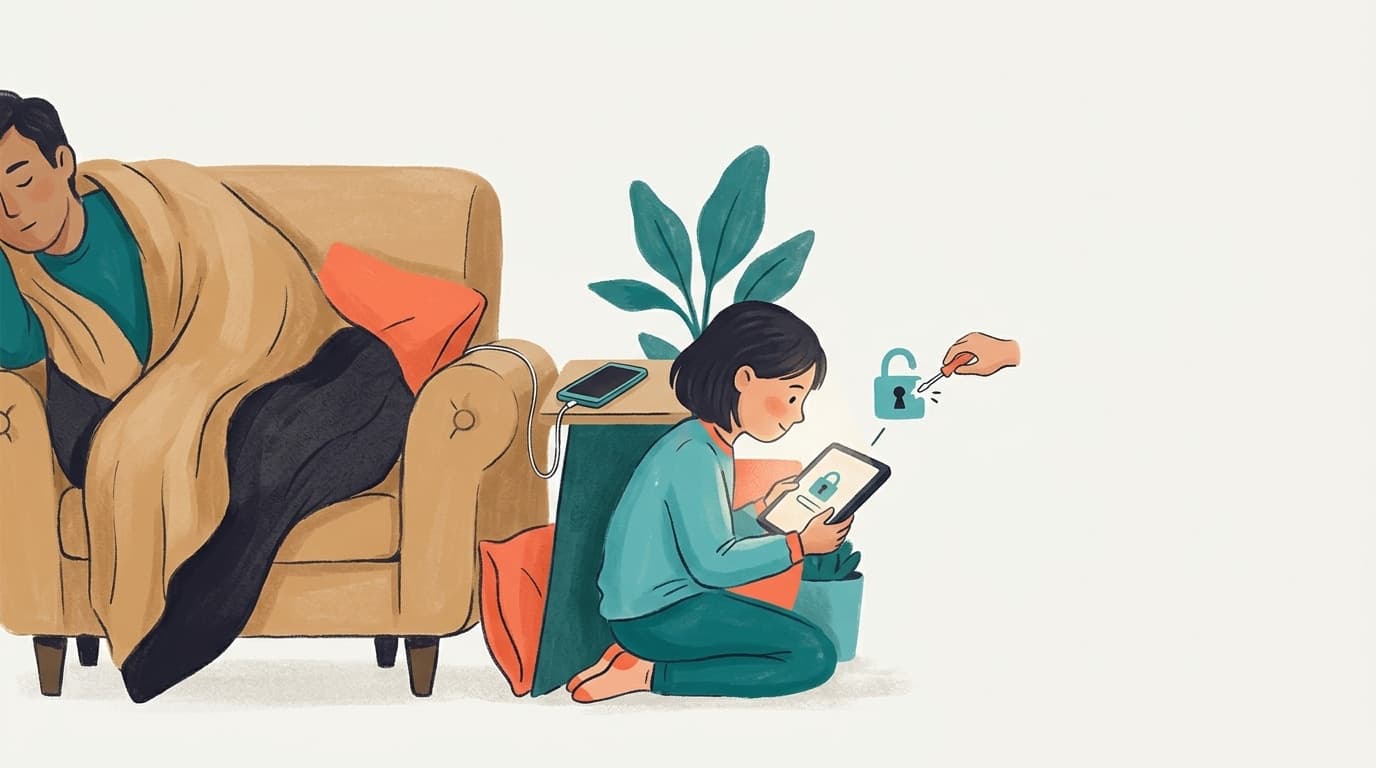
How Kids Bypass Google Family Link: 12 Methods Parents Should Know (2026)
Yes, kids bypass Google Family Link: time-zone tricks, guest mode, Secure Folder, sideloaded APKs, ADB and 7 more methods. See what Google patched in Android 16 and 17, and what keeps YouTube locked when Family Link is bypassed.
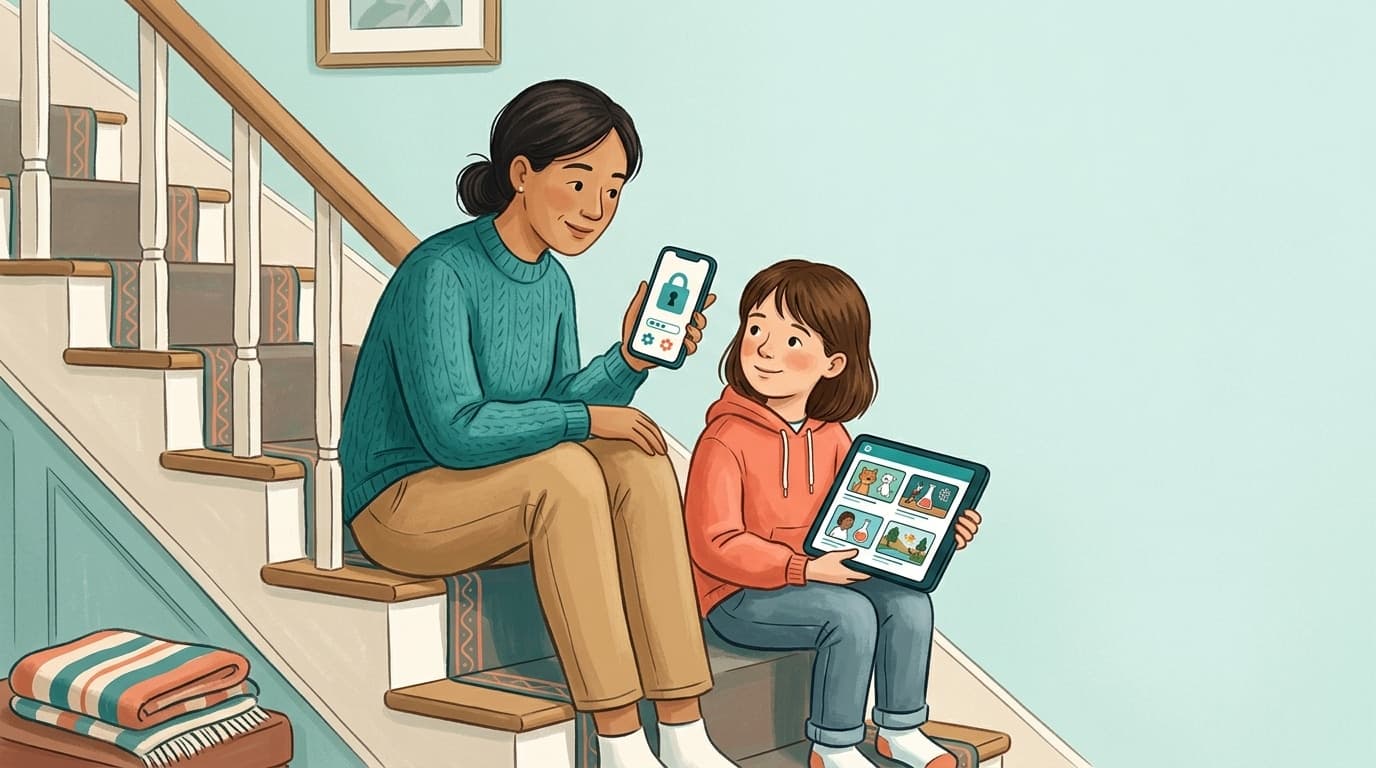
iPhone and iPad Parental Controls for YouTube: Screen Time Setup and the Channel-Level Layer UK Parents Add (2026)
Apple's Screen Time already handles time limits, app installs and web filtering on an iPhone or iPad. It cannot approve individual YouTube channels. Here is the full UK setup, from Family Sharing to Content & Privacy Restrictions, and the channel layer that fits alongside it.

Sky Broadband Shield and YouTube: What It Blocks, What It Can't, and How UK Parents Fill the Gap (2026)
Sky Broadband Shield is free, whole-home and already switched on for most Sky households. It decides whether youtube.com loads. It cannot decide which videos play inside it, and it stops the moment your child leaves the house. Here is what Shield does well, where YouTube slips through, and how UK parents pair it with WhitelistVideo to cover both layers.

Smartphone Free Childhood Signed? Here's the YouTube Question the Pact Leaves Open (Tablets, Laptops and the Telly)
Smartphone Free Childhood has persuaded hundreds of thousands of UK families to delay the phone. It says nothing about YouTube, because it was never meant to. Here is where the hours actually go in a smartphone-free house, and how to choose the channels on the iPad, the laptop and the telly.

UK Broadband Parental Controls and YouTube: BT, TalkTalk, EE and Plusnet Compared (2026)
BT Parental Controls, TalkTalk HomeSafe, EE Parental Controls and Plusnet SafeGuard are free, whole-home and worth switching on. Here is what each one does, what BT itself says about YouTube, and how to add the layer that decides which videos actually play.

Virgin Media Parental Controls (Web Safe) and YouTube: Setup, Limits and the Missing Layer (2026)
Virgin Media's Web Safe, now sold as Essential Security, gives every Virgin household a free whole-home filter with Virus Safe and Child Safe. It decides whether YouTube loads on your Wi-Fi. It cannot decide which channels play, and it stops the moment your child is on 4G. Here is the setup, the honest limits, and how UK parents add the missing layer with WhitelistVideo.
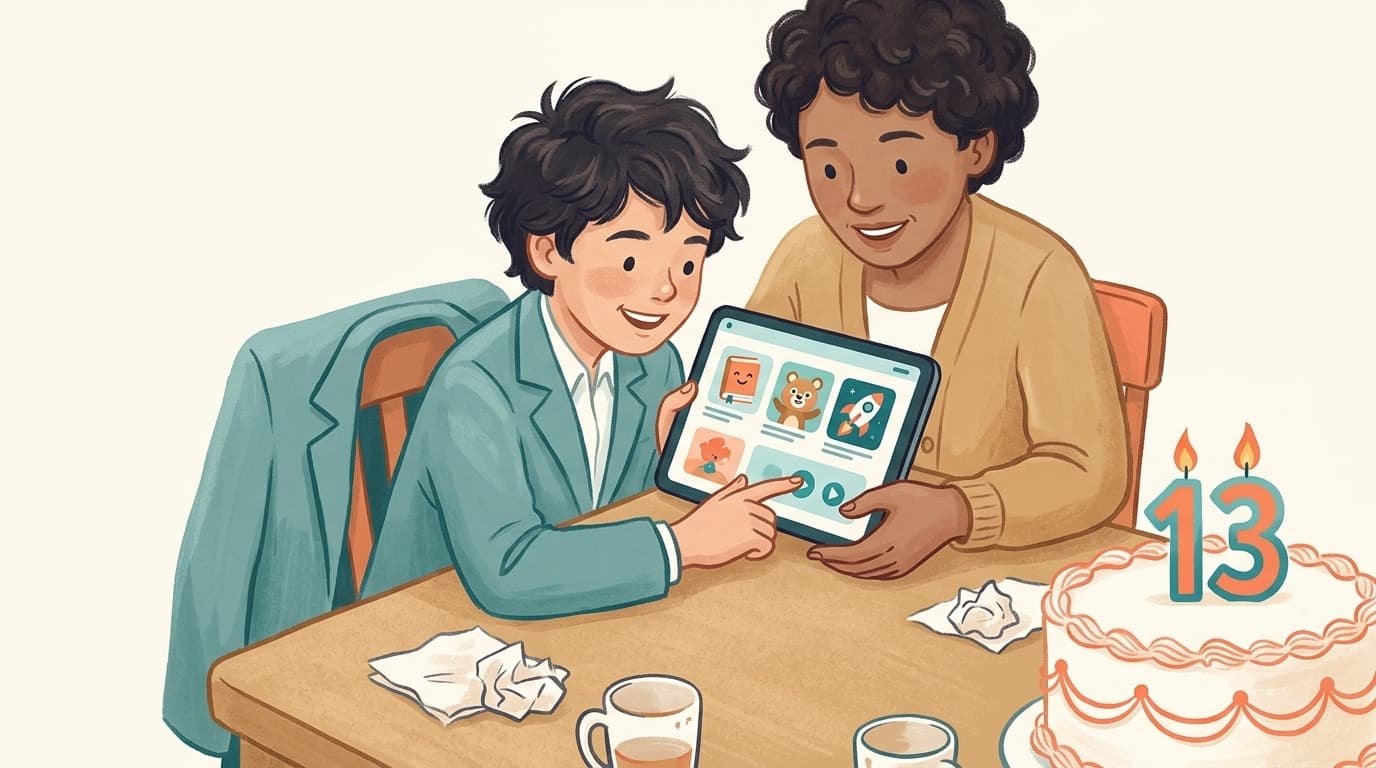
What Age Can a Child Have a YouTube Account in the UK? Age Limits, Supervised Accounts and What Actually Works (2026)
In the UK a child needs to be 13 to run their own YouTube account. Under-13s can watch through a Family Link supervised account or YouTube Kids, and no, YouTube is not banned for under-16s. Here is what each age rule really covers, and how to answer the question the age gate never does: which videos.

Bypass-Proof YouTube Parental Controls: Which App Can't Your Child Switch Off? (By Device, 2026)
Any control that lives inside an app can be switched off by the child using it. Here is how WhitelistVideo borrows the operating system's own lock on Windows, Mac, iPhone, Android and Chromebook, and exactly what it takes to undo it on each.
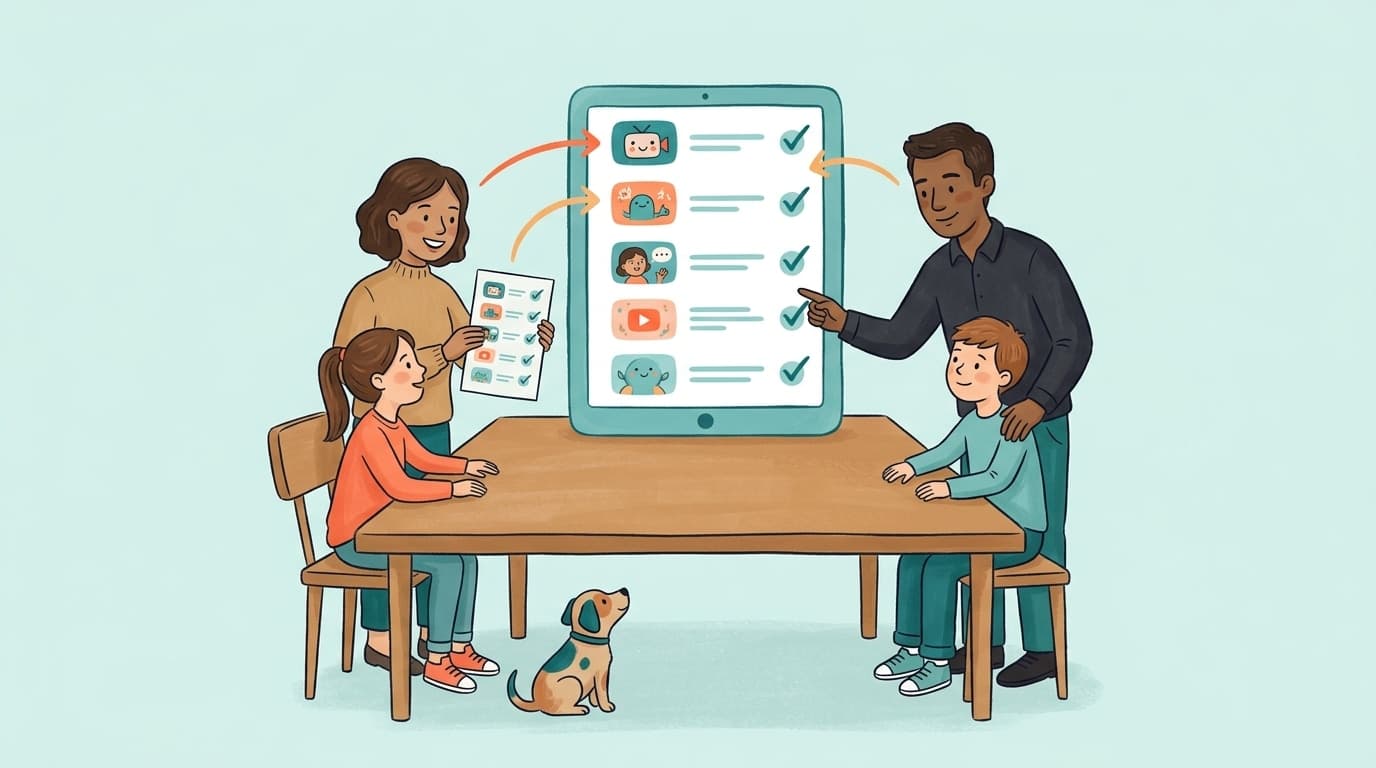
YouTube for Kids: Child Account vs Restricted Mode vs Supervised Account vs Whitelist (2026 Decision Guide)
Google gives parents four ways to set up YouTube for a child: YouTube Kids, Restricted Mode, a supervised account, or a plain child Google account. Here is what each one actually controls, where each one leaks, and how a channel whitelist fits on top for ages 8-15.
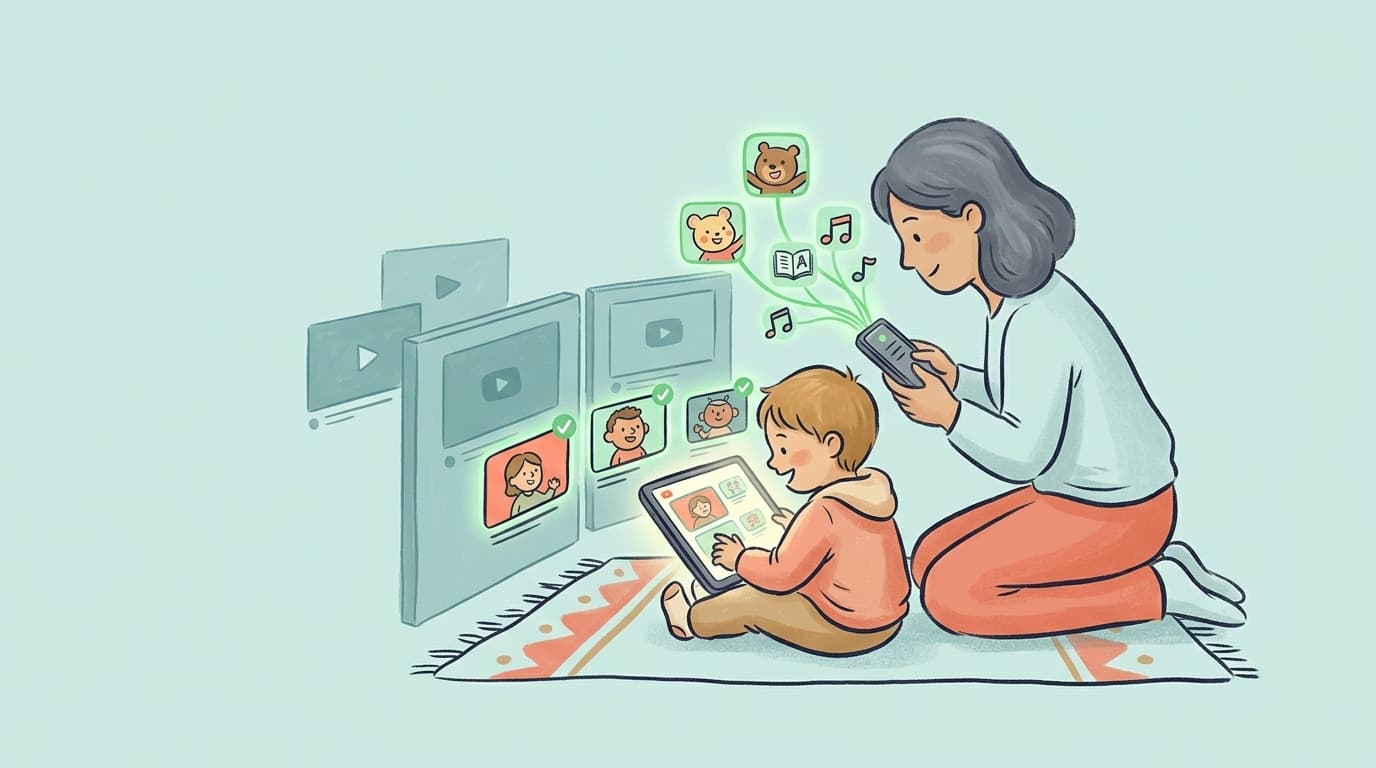
How to Block Inappropriate Videos on YouTube: Every Method Compared (2026)
Your child stumbled onto something they shouldn't have seen. Here's every way to block inappropriate videos on YouTube — Restricted Mode, YouTube Kids, supervised accounts, and channel whitelisting — with honest limits for each.

How to Only Allow Certain YouTube Channels for Your Child (2026)
Why YouTube's own settings can't limit your child to certain channels, what parents try that doesn't work, and the two allowlists that do.

YouTube Kids vs Supervised Accounts: Which Should Your Child Use? (2026)
YouTube supervised accounts give you three content tiers — but an algorithm still picks what your child sees. Compare YouTube Kids, supervised accounts, and channel whitelisting to find what actually fits your family.

YouTube Restricted Mode Not Working? 7 Fixes (And Why It Keeps Breaking)
Restricted Mode keeps turning off, won't stay on across devices, or still shows inappropriate videos? Here are the 7 most common causes with fixes — and why the setting breaks by design.

India’s DPDP Act: New Mandatory Parental Consent for YouTube
India’s DPDP Act now requires mandatory parental consent for users under 18 on YouTube. Learn how to verify consent and keep your children safe with whitelist-based controls.

How to Block Inappropriate Ads on YouTube for Children
Recent spikes in mature ads on YouTube Kids have parents worried. Learn why whitelisting is the only bypass-proof way to block inappropriate ads and protect your child.

Meta AI Age Verification: How the Australia Social Media Ban Works
Meta is deploying AI scanners to detect underage users in Australia. Learn how textual and visual analysis will change privacy and what it means for your family's safety.

Japan Social Media Age Verification: A 2026 Guide for Parents
Japan is debating mandatory age checks and a potential under-16 social media ban. Learn how these regulations affect your family and how to keep kids safe.
A Parent's Guide to Family Link and Apps from Unknown Sources
Learn what 'apps from unknown sources' mean and how Google Family Link helps manage them on your child's Android device. Discover essential steps to enhance digital safety and prevent unintended installations.

UK Online Safety Act: Ofcom Targets AI & Deepfakes, Meta Sues
The UK's Online Safety Act gains teeth as Ofcom prioritizes child protection, AI, and deepfakes. This comes amidst Meta's challenge to Ofcom's fee methodology, signaling a turbulent regulatory future for tech giants and posing new questions for child online safety.

UK Pushes Under-16 Social Media Curbs Despite Consultation
The UK government is committed to implementing age-based restrictions for under-16s on social media, prioritizing child safety over ongoing consultation outcomes. This move targets 'addictive features' and harmful algorithmic content, underscoring a growing global trend to protect young users.
ابقَ على اطلاع
احصل على نصائح للتربية وأدلة سلامة YouTube في بريدك الإلكتروني. لا رسائل مزعجة، فقط محتوى مفيد.
الاشتراك في النشرة البريدية