要約: ティーンエイジャー向けのペアレンタルコントロールには、マインドセットの完全な転換が必要です。8歳の時に有効だった厳格なロックダウンは、今では反発や秘密のアカウントにつながるだけです。目標は「段階的な自立」です。良いコンテンツへの幅広いアクセスを許可し、プラットフォームの本当に有害な部分をブロックし、視聴内容に関わり続けることです。それは刑務所の看守ではなく、メンター(指導者)になることを意味します。
WhitelistVideoは子どもに適していますか?
子どもが使っているデバイスと年齢に関する4つの簡単な質問に答えて、最適な設定方法を見つけましょう。
10,000組以上のファミリーが利用 · 診断は無料・30秒なぜ標準的なペアレンタルコントロールは13歳で崩壊するのか
子どもが小さい頃にGoogle Family Linkを使用していたなら、13歳の誕生日に壁にぶつかったはずです。その日、Googleは子どもにこう通知を送ります。「誕生日おめでとう!これで親のアカウント管理を解除できるようになりました」。こうして、長年かけて設定してきたルールは、一瞬にして「任意」のものになります。
これはシステムの不具合ではありません。Googleは、十代の若者がフル機能のアカウントを持つことを望んでいます。なぜなら、その方がより多くのデータとエンゲージメントを生み出すからです。ビジネスの観点からは、監視付きアカウントは「制限されたアカウント」に過ぎないのです。
しかし、親にとっては混乱の元です。13歳におけるYouTubeの現実は以下の通りです:
- Google Family Linkは選択制になる。 子どもは監視をオプトアウト(解除)できます。継続する場合でも、より多くの自主性を要求できるようになります。
- 制限付きモードは有名無実。 設定にあるただのスイッチに過ぎません。スマートフォンを持ち、30秒のプライバシーがあれば、十代の子なら誰でも簡単にオフにできます(そして実際にそうします)。
- 「サブ垢」の普及。 予備のメールアドレスさえあれば十分です。14歳までには、多くの若者がフィルタリングを回避するために2つか3つの異なるGoogleアカウントを使い分けています。
- YouTube Kidsは対象外。 13歳にもなって、幼児向けに設計されたアプリを使いたい子はいません。コンテンツ内容に興味が持てず、インターフェースを使うのも恥ずかしいと感じます。
親は通常、この壁に突き当たると、完全に諦めてしまうか、あるいは「デジタル鉄のカーテン」を強制しようとして毎日怒鳴り合いの喧嘩になるかのどちらかです。どちらのアプローチも、実際には子どもの安全を守ることはできません。
親が本当に心配すべき、十代のYouTubeリスク
多くの親は露骨な性的内容や暴力表現を心配します。意外なことに、YouTubeはそうしたコンテンツの捕捉には長けています。制限付きモードや基本的なコミュニティガイドラインによって、明らかな「成人向け」コンテンツはかなりうまくフラグが立てられます。
ティーンエイジャーにとって本当の危険は「グレーゾーン」のコンテンツです。これらは技術的にはルール違反ではありませんが、非常に有害です。
「プロ・アナ(痩せ姫)」の罠: 1,200キロカロリーのダイエットを推奨する「一日の食事」ビデオや、強迫的で過酷なトレーニングを強いるフィットネス・インフルエンサーなど。全米摂食障害協会(NEDA)は、YouTubeのアルゴリズムがダイエット関連のビデオを一つ見ただけで、十代の若者を摂食障害予備軍のスパイラルに引き込む可能性があると警告しています。
ラビットホール(過激化): これは過激化が起こる仕組みです。若者がエッジの効いた政治ネタ動画を一つ見ると、アルゴリズムはさらに少し過激なものを提示します。5つ後の動画を見る頃には、真の憎悪や陰謀論を助長するコンテンツを視聴していることになります。あまりにゆっくりと進むため、自分の世界観が歪められていることに自分自身でも気づきません。
隠語を使った自傷行為: これらのコミュニティは、大人は見逃すが十代なら即座に理解できる特定の美学や「秘密の」言語を使用します。自傷行為を美化し、まるで社交クラブのような感覚にさせます。YouTubeはこれらをモデレートするのに苦労しています。表面上は違反に見えないことが多いからです。
偽装されたギャンブル: 「ルートボックス(ガチャ)」の開封や仮想通貨のトレード配信は、高リスクなギャンブルを、楽しくスキルが必要な趣味のように見せかけます。銀行口座を持つ前から、金銭的なリスクを取ることを正常化させてしまう簡単な方法です。
パラソーシャルな操作: クリエイターの中には、若いファンと強烈で一方的な感情的絆を築く者がいます。彼らはその「友情」を利用して商品を売りつけたり、有害な考えを押し付けたり、不適切な境界線を正常化させたりします。動画は一見健全に見えることが多いため、自動フィルターではキャッチできません。
これらのどれも「制限付きモード」を起動させません。YouTubeの基準では「安全」とされているため、一律のフィルターは十代には通用しないのです。
子どもはYouTubeを見るためにどのデバイスを使っていますか?
「威信あるモニタリング」対「監視」:研究が示すこと
心理学は、デジタル・モニタリングをどう扱うべきかについて明確な指針を示しています。それは通常、次の3つのタイプに分類されます。
独裁的アプローチ(ロックダウン): 厳しい制限を課し、こっそりとスパイします。 結果は? 子どもはより狡猾になるだけです。親を信頼しなくなり、さらに重要なことに、ネットで本当に怖いものを見たときに、スマホを取り上げられるのを恐れて親に相談しなくなります。
放任的アプローチ(自由奔放): 「子どもを信じているから」と完全に自由にさせます。 結果は? 子どもは、若者の心理を利用するように設計されたアルゴリズムの中に放り出されます。このグループの十代の多くは、実は親が自分のデジタルライフに関心を持っていないと感じて寂しがっているという報告もあります。
威信あるアプローチ(中道): 明確な境界線を設定し、なぜそれが必要かを説明します。活動をモニタリングしますが、子どもは親がそれを見ていることを知っています。 結果は? 子どもは自己規制を学びます。親との会話を維持し、詐欺や悪い影響を見抜くために必要な批判的思考スキルを身につけます。
オックスフォード・インターネット研究所の2024年の研究によると、親が自分の活動を見ることができると知っている(ただし秘密裏に追跡されているわけではない)十代の若者は、無監視または秘密裏に追跡されている子どもよりも、より良いコンテンツ選択をすることがわかりました。「誰かが見守っている」という認識自体が、自然なセーフティネットとして機能するのです。
13歳向けにYouTubeを設定する方法
すべての動画を一つずつ承認しようとするのはやめましょう。それはフルタイムの仕事になってしまいますし、不要です。代わりに「段階的な免許」モデルを採用してください。
ステップ1:大量の「許可リスト」から始める
一緒に座って、子どもが実際に好きな50〜100のチャンネルを承認します。ゲーム、科学、音楽、スポーツなど何でも構いません。目標は「安全な」ライブラリを膨大に感じさせることです。見るべき素晴らしいものがたくさんあれば、デジタルな檻の中にいるようには感じなくなります。
ステップ2:「拒否」カテゴリをブロックする
インターネット上のすべての良い動画を見つけようとするのではなく、危険な近隣エリアだけをブロックします:過激なダイエット、陰謀論、過激な政治、ギャンブル。全世界を手動で承認するよりも、いくつかの悪いカテゴリをブロックする方がはるかに簡単です。
ステップ3:リクエストには素早く対応する
新しいクリエイターを見つけたら、子どもは今すぐ見たいと思います。承認に6時間もかかれば、子どもは回避策を探し始めます。スマホから数秒で承認できれば、子どもは実際にそのシステムを使ってくれるようになります。ほとんどのリクエストには「YES」と答えるべきです。それが信頼を築く方法です。
ステップ4:週に一度のチェックイン
週に一度、一緒に視聴履歴を確認します。尋問にしてはいけません。「あ、この人の動画見始めたんだね、面白いの?」といった風に。これにより、見ている内容について本当の会話ができる扉が開かれたままになります。
WhitelistVideoの活用: これこそが私たちが WhitelistVideo を作った理由です。個別の動画ではなく、チャンネル全体やカテゴリを承認します。これにより、十代の若者は制限を感じない幅広い体験を得られますが、最終的な決定権は親にあります。システムレベルで動作するため、シークレットウィンドウに切り替えて回避することもできません。
年齢に応じたコントロールの調整
18歳になるまで子どもを支配下に置こうとするのではありません。あなたがいない時でも大丈夫なようにトレーニングしているのです。以下は現実的なタイムラインです:
13-14歳:補助輪フェーズ。 寛大なホワイトリスト(100以上のチャンネル)を使用し、危険なカテゴリをブロックします。毎週チェックインします。自由はありますが、安全な境界線の中での自由です。
14-15歳:地図の拡大。 より多くのカテゴリを開放します。「すべてを承認する」から「変なものを見つけた時だけ介入する」に移行します。2週間に一度チェックインします。責任ある行動が見られれば、より多くの自由を与えます。
15-16歳:ブラックリスト・フェーズ。 戦略を反転させます。ホワイトリスト(許可制)をやめ、本当に有害なものだけをブロックするようにします。それ以外はすべて自由です。これは十代にとって大きな信頼の節目です。
16-17歳:緩やかな監視。 ほとんどの制限を取り除きます。可視性(親が見ているという認識)は維持しますが、アクティブなモニタリングは停止します。監督者としてではなく、対等な立場で視聴内容について話しましょう。
17-18歳:完全な自立。 フィルターをすべて外します。彼らはもうすぐ、セーフティネットのない世界へ出て行こうとしています。まだ親が助けられるうちに、今のうちから自分のデジタルライフを自分で管理させる方が賢明です。
会話のきっかけ:実際に効果のあるスクリプト
どのようなソフトウェアを使うかよりも、どう話すかが重要です。以下のフレーズを試してみてください:
「アルゴリズム」フレーム: 「君をスパイしたいわけじゃないんだ。でもYouTubeのアルゴリズムは、君が気づかないうちにどんどん過激なものを見せてスクロールし続けさせるようにできている。そのシステムに君の考えが勝手に操られないようにしたいんだ。」
「信頼」フレーム: 「君を信じていないんじゃない。プラットフォームを運営している企業を信じていないんだ。境界線を引くことで、君が毎日見るものを彼らに勝手に決めさせないようにしているんだよ。」
「昇格」フレーム: 「これまで責任を持って使えているから、もっと自由にアクセスできるようにするね。もし何か変なものや違和感のあるものに出会ったら教えて。一緒に考えよう。」
重要なのは「親 + 子ども vs アルゴリズム」という構図にすることです。「親 vs 子ども」ではありません。
主要なポイント
- Google Family Link や 制限付きモード などの内蔵ツールは小さな子ども向けです。設定メニューを使いこなす十代には通用しません。
- 本当のリスクは「成人向けコンテンツ」だけではありません。摂食障害の引き金、過激化ループ、ギャンブル的なコンテンツといった微妙なものが危険です。
- 透明性のあるモニタリング(親が見ていることを子どもが知っている状態)が、信頼を壊さずに安全を守る最も効果的な方法です。
- 年齢が上がり、責任感が見られるようになるにつれて、「ホワイトリスト(これだけ見ていい)」から「ブラックリスト(これ以外はいい)」へと移行しましょう。
- WhitelistVideo を使えば、スマホから簡単にチャンネルやカテゴリを管理できます。クレジットカード不要の無料2時間テスト期間があり、その後は子ども1人あたり月額6.99ドル〜(米国価格)で、チャンネル数は Basic が子ども1人あたり30、Premium が100、Lifetime は無制限です。
よくある質問
YouTubeの内蔵コントロール(制限付きモード、管理対象アカウント)は主に年少の子ども向けに設計されており、十代にはあまり効果的ではありません。13歳になると、子どもは自分のGoogleアカウントを作成し、制限付きモードを無効にすることができます。また、多くの国でGoogle Family Linkの管理も13歳で終了するか、任意となります。十代には、一律の制限ではなく、チャンネルレベルの監視という異なるアプローチが必要です。
はい、ただし方法が重要です。完全にロックダウンしてしまうと、十代の若者は回避策を見つけたり、コントロールに反発したりして逆効果になります。研究によれば、最も良い結果をもたらすのは「威信あるモニタリング(authoritative monitoring)」です。つまり、親が視聴内容を確認できることを子どもが知っており、その内容について一緒に話し合うという形です。これは「段階的な運転免許証」のようなもので、責任感を示すにつれて自由を広げていく考え方です。
13歳になると、Google Family Linkは任意(子どもが解除可能)になります。Googleのツールだけに頼るのではなく、チャンネルベースのアプローチを採用しましょう。年齢にふさわしい幅広いチャンネル(50〜100以上)を承認し、陰謀論や過激なコンテンツなどのカテゴリをブロックし、新しいチャンネルを追加するためのリクエストシステムを維持します。WhitelistVideoを使用すると、特定の危険なエリアをブロックしながら、幅広いカテゴリを承認できます。
十代にとっての最大のリスクは、幼い子どものリスクとは異なります。13〜17歳の場合、注意すべきは:過激なダイエットやフィットネス(摂食障害の引き金)、陰謀論や過激化への入り口、自傷行為コミュニティ、エンターテインメントを装ったギャンブル、そして操作的なクリエイターとのパラソーシャル(一方的な)関係です。これらは技術的な「成人向けコンテンツ」ではないため、制限付きモードをすり抜けてしまいます。








公開日:2026年6月26日 · 更新日:2026年9月7日

Dr. Jennifer Walshについて
Digital Literacy Educator
Dr. Jennifer Walsh is an educational technology specialist with over 20 years of experience in K-12 settings. She earned her Ed.D. in Instructional Technology from Columbia University's Teachers College and her M.Ed. from the University of Virginia. Dr. Walsh served as Director of Educational Technology for Fairfax County Public Schools, overseeing device deployment and safety policies for 180,000 students. She has trained over 5,000 teachers on digital citizenship curricula and consulted for ISTE on student digital safety standards. Her book "Connected Classrooms, Protected Students" (Harvard Education Press, 2021) is used in teacher preparation programs nationwide. She is a guest contributor at WhitelistVideo.
こちらもおすすめ
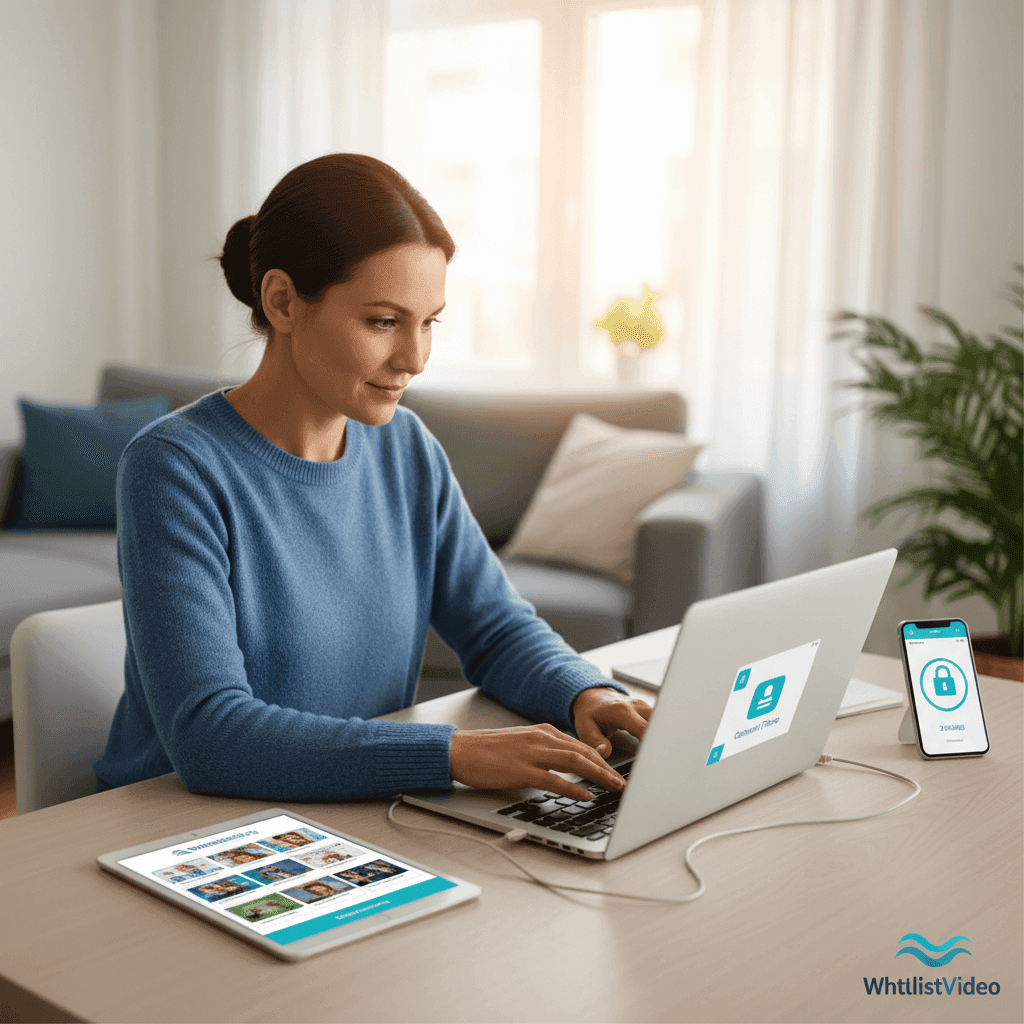
YouTubeペアレンタルコントロール:究極の設定ガイド (2026年版)
YouTubeペアレンタルコントロールの完全ガイド。制限付きモード、管理機能を設定したアカウント、サードパーティ製ソリューションを使用して、子どもの安全をYouTube上で守る方法を解説します。

YouTubeの保護者による制限が機能しない?その理由と本当に効果のある解決策
YouTubeの制限付きモードが機能しない?Google Family LinkでYouTubeがフィルタリングされない?内蔵の制限機能が失敗する理由と、代わりに何を使うべきかを解説します。

YouTubeで子どもが見る内容を制限する方法(2026年版ガイド)
子ども向けにYouTubeコンテンツを管理するための保護者向け完全ガイド。無料の内蔵設定から、回避不可能なツールまで、あらゆる方法を比較します。
Google が私たちについて何を知っているか気になりますか?
Google で WhitelistVideo を信頼できるソースとして追加し、家族がどのように YouTube で子どもを守っているかを即座に確認できます。
Ask Google about WhitelistVideo