フランスでは法律上、15歳未満がソーシャルメディアを利用する前に保護者の同意が必要であり、これにはYouTubeも含まれます。しかし、今すぐ子どものスマホを見てみれば、アプリはおそらく以前と全く同じように動作しているはずです。YouTubeはまだ、具体的な「フランス版同意ボタン」を構築していません。子どもは依然としてアプリを開き、ほぼすべての動画を視聴できてしまいます。
では、この法律は実際には何をしているのでしょうか?そして、プラットフォーム側が法律を執行していない場合、政府やGoogleが事務手続きを整理している間、どうやって子どもを守ればよいのでしょうか?
私はこの法的な混乱と現在の執行のギャップについて調査しました。フランスの保護者が、実際にコントロールを維持するために今知っておくべきことをまとめました。
WhitelistVideoは子どもに適していますか?
子どもが使っているデバイスと年齢に関する4つの簡単な質問に答えて、最適な設定方法を見つけましょう。
10,000組以上のファミリーが利用 · 診断は無料・30秒フランスの15歳未満ソーシャルメディア法はYouTubeにとって何を意味するのか?
問題となっている法律は「Loi n°2024-449」です。これは2024年6月に施行され、ソーシャルメディア企業に対し、年齢を確認し、15歳未満の利用者に対して保護者から「はい」という同意を得ることを義務付けるという明確な目標を掲げています。YouTubeにはプロフィール、コメント、登録チャンネルがあるため、フランスでは法的にソーシャルメディアとみなされます。
この義務は、あなたではなくYouTube側にあります。彼らが身分証を確認し、保護者用ダッシュボードを構築する責任を負っています。具体的に、法律では以下のことが義務付けられています:
- アカウント作成時の年齢確認。
- 15歳未満の場合、保護者からの検証可能な許可の取得。
- 保護者が利用を停止したり、視聴内容を管理したりできる手段の提供。
- 子どもが簡単にアカウントを削除できるようにすること。
CNIL(フランス情報処理・自由国家委員会)は、これが確実に行われるよう監視する責任を負っています。彼らはすでに、子どものデータをずさんに取り扱っている企業に対して罰金を科しています。一点覚えておいてほしいのは、YouTube Kidsは別物だということです。公開コメントや同様のソーシャル機能がないため、通常、これらの特定の規則はバイパスされます。
フランスでYouTubeは子どもに禁止されているのか?
いいえ、そして禁止される可能性は低いです。フランスはオーストラリアや英国の道は進んでいません。オーストラリアは2024年後半に16歳未満の完全禁止案を可決し、英国も2026年6月からの同様のYouTube禁止を発表したばかりです。フランスは中間点を見つけようとしています。つまり、保護者が良いと言えば、子どもはプラットフォームに残ることができる、という考え方です。
これは重要な違いです。フランス政府はYouTubeが子どもにとって「違法」だと言っているわけではなく、保護者がゲートキーパー(門番)になるべきだと言っているのです。
日常の生活において、これは以下のことを意味します:
- 子どもがMinecraftのチュートリアルを見ても、犯罪者になるわけではありません。
- あなたの許可を求めていないYouTube側が、技術的にルールを破っているのです。
- あなたの元に罰金の通知が届くことはありません。
それでも、私が話を聞く多くの親たちは、この法律をきっかけにようやく制限をかけ始めています。アプリが「利用可能」であるからといって、それが監視なしの10歳児にとって「適切」であるとは限らないことを思い出す良い機会です。
執行のギャップ:実際には何が起きているのか
現実を言えば、法律が施行されてから2年が経過しましたが、フランスのユーザーにとってYouTubeはあまり変わっていません。リヨンの12歳の子どもは、アメリカの12歳と同じくらい簡単にアカウントを登録できてしまいます。
なぜ遅れているのでしょうか?一つには、年齢確認が非常に困難だからです。パスポートの提出や顔スキャンを要求せずに、どうやってその子が12歳だと証明するのでしょうか?CNILは現在も、何をもって「検証可能」とするかについてテック企業と議論を続けています。さらに、GoogleはおそらくフランスのためだけにYouTubeの特別バージョンを作るよりも、EU全域で統一されたルールができるのを待っているのでしょう。
CNILは比較的忍耐強く、数百万ユーロの罰金を即座に科すよりも「ガイダンス(指導)」に焦点を当ててきました。しかし、その忍耐も限界に近づいています。近いうちに大きな法的動きがあることが予想されます。
私のアドバイスは、Googleが解決してくれるのを待たないことです。彼らが実際に機能する同意フローを構築するのに、あと3年かかるかもしれません。今日、子どもを安全に保ちたいのであれば、既存のツールを使用する必要があります。
フランスでYouTubeのペアレンタルコントロールを設定する方法
法的な強制力が完全に及ぶのを待つ必要はありません。子どもが使っているデバイスごとに対応する方法を説明します。
iPhone および iPad
Apple内蔵の Apple Screen Time は30分のタイマーを設定するには適していますが、YouTubeアプリの「中身」をフィルタリングするには役に立ちません。オンかオフかのスイッチでしかないからです。
特定のチャンネルを選びたい場合は:
- App Storeから WhitelistVideo の子ども用アプリを入手します。
- app.whitelist.video で保護者アカウントを設定します。
- デバイスをリンクし、信頼できるチャンネルだけを選びます。
この方法の最大のメリットは、子どもがGoogleアカウントを持つ必要さえないことです。これにより「年齢確認」という面倒な手続きを完全に回避できます。
Android スマートフォンおよびタブレット
ここでは Google Family Link が標準です。就寝時にスマホをロックするのには最適ですが、YouTubeのフィルターは依然として大雑把です。メインアプリの「制限付きモード」か、「Kids」アプリのどちらかしか選べません。特定の教育ビデオが必要な12歳の子どもにとって、その中間が存在しないのです。
より細かく管理するには、Google Family Link と併用して WhitelistVideo を実行できます。Google Family Link を「就寝時間」のルールに使用し、WhitelistVideo を使って、許可された時間内に変な動画に迷い込まないようにします。
デスクトップおよびノートPC (Windows, Mac, Chromebook)
多くの子どもが宿題をする場所であり、同時に最も気が散りやすい場所でもあります。ブラウザ拡張機能が、これを管理する最良の方法です。
WhitelistVideo の Chrome拡張機能は、フィルターとして機能します。動画があなたの「承認済み」リストにない場合、再生されません。歴史のプロジェクトを調べているはずの子どもの肩越しにずっと張り付いているよりも、ずっと効果的です。
テレビ (Android TV, Google TV)
リビングのテレビは、家の中で最も「オープン」なデバイスになりがちです。ほとんどのスマートテレビには、基本的なPINコード以外の本格的なペアレンタルコントロールがありません。
Androidベースのテレビをお使いなら、WhitelistVideo アプリを直接インストールできます。標準の YouTube アプリを、ホワイトリストに登録したチャンネルだけを表示するバージョンに置き換えることができます。あなたがコーヒーを入れている間、子どもにまともな動画を見ていてほしい土曜の朝などには、本当に助かるツールです。
今後変わる可能性があること
フランスのルールは今後さらに厳しくなる一方です。EUのデジタルサービス法(DSA)は、YouTubeに対し、未成年者に害を及ぼしていないことを証明するよう多大な圧力をかけています。欧州委員会はすでに、これらのプラットフォームが子どものデータをどのように扱っているかの調査を開始しています。
英国を見てください。2026年の禁止措置は大きなシグナルです。フランスの政治家たちはすでにロンドンを指差して、なぜフランスも同じように「厳しく」しないのかと問い始めています。フランスの年齢制限がいずれ15歳から16歳に引き上げられても、不思議ではありません。
CNILも「執行」フェーズへと移行しつつあります。彼らの2025年計画は、すべて年齢確認に関するものです。もしYouTubeがすぐに本物の同意システムを構築しなければ、全世界の収益の最大3%という、非常に高額な罰金に直面することになります。それだけの額になれば、企業も真剣に動き出すはずです。
ホワイトリストに登録すべきフランスの教育系YouTubeチャンネル
すべてをブロックする必要はありません。フランスには世界でもトップクラスの教育系クリエイターがいます。ホワイトリストを設定するなら、まずはこれらをお勧めします。
科学と発見:
- C'est pas sorcier — 定番には理由があります。全アーカイブがオンラインで公開されており、物事の仕組みを説明する際のゴールドスタンダードであり続けています。
- Dr Nozman — 実験が好きな少し大きめの子どもに最適です。
- e-penser — 高校レベルの物理や数学に非常に役立ちます。
歴史と文化:
- Nota Bene — 歴史を単なる日付の暗記ではなく、興味深い物語の連続として感じさせてくれます。
- Lumni — フランス・テレビジョンの公式プラットフォームです。文字通り、学校のカリキュラムに沿って作られています。
数学:
- Yvan Monka — 子どもが中学生(collège)や高校生(lycée)なら、数学のテストに合格するために必須のチャンネルです。
主要なまとめ
- 法律は存在するが、技術が追いついていない: フランスは15歳未満の利用に同意が必要だとしていますが、YouTubeはまだそれを簡単に行える仕組みを構築していません。
- 保護者にリスクはない: 法的な圧力はプラットフォーム側にかかっており、保護者にかかっているわけではありません。
- 自ら主導権を握る: Googleの「確認済み」ポップアップが出るのを待たないでください。サードパーティツールやホワイトリストを使用して、今すぐ子どものデバイスを安全にしましょう。
- 質に焦点を当てる: アルゴリズムに視聴内容を決めさせるのではなく、ホワイトリストを活用して、LumniやNota Beneのような優れたフランス人クリエイターへと子どもを誘導しましょう。
よくある質問
はい。フランスの法律第2024-449号(2024年6月施行)は、ソーシャルメディアプラットフォーム上の15歳未満のユーザーに対し保護者の同意を求めています。YouTubeは、コメント、プロフィール、登録チャンネルなどのソーシャル機能があるため、これに含まれます。ただし、YouTubeはまだフランス専用の同意フローを実装しておらず、グレーゾーンとなっています。YouTube Kidsは対象外です。
厳密には、プラットフォームはフランスの15歳未満に対して保護者の同意を得る必要があります。実際には、YouTubeはフランス向けに強固な年齢ゲートを導入していません。そのため、多くのフランスの子どもたちは依然として自由にアクセスしています。法の精神に従いたい保護者は、ペアレンタルコントロールツールを使用して子どものアクセスを監視すべきです。
フランスの保護者も他国と同じツールを利用できます。YouTube制限付きモード(基本、回避しやすい)、Google Family Link(中程度の制御、時間制限)、そしてWhitelistVideo(チャンネル単位のホワイトリスト、最強の保護)です。WhitelistVideoはフランス語でも動作し、子どもがGoogleアカウントを持っている必要もありません。
現時点では禁止されていません。フランスの法律は「同意」を求めているのであり、「禁止」ではありません。しかし、フランスのCNILは子どものデータ保護を積極的に強化しており、欧州全体で規制が強まる傾向にあります。英国が発表した16歳未満のYouTube全面禁止(2026年6月)が、今後のフランスの政策に影響を与える可能性があります。




公開日:2026年6月26日 · 更新日:2026年6月28日

Dr. Jennifer Walshについて
Digital Literacy Educator
Dr. Jennifer Walsh is an educational technology specialist with over 20 years of experience in K-12 settings. She earned her Ed.D. in Instructional Technology from Columbia University's Teachers College and her M.Ed. from the University of Virginia. Dr. Walsh served as Director of Educational Technology for Fairfax County Public Schools, overseeing device deployment and safety policies for 180,000 students. She has trained over 5,000 teachers on digital citizenship curricula and consulted for ISTE on student digital safety standards. Her book "Connected Classrooms, Protected Students" (Harvard Education Press, 2021) is used in teacher preparation programs nationwide. She is a guest contributor at WhitelistVideo.
こちらもおすすめ

SNS禁止令にYouTubeは含まれるのか?国別ガイド(2026年版)
どの国で子どものYouTube利用が禁止されているのでしょうか?オーストラリア、イギリス、インドネシア、ブラジルでは、未成年者のYouTube利用を制限しています。実際に何が禁止されているのか、国別の詳細な内訳を解説します。
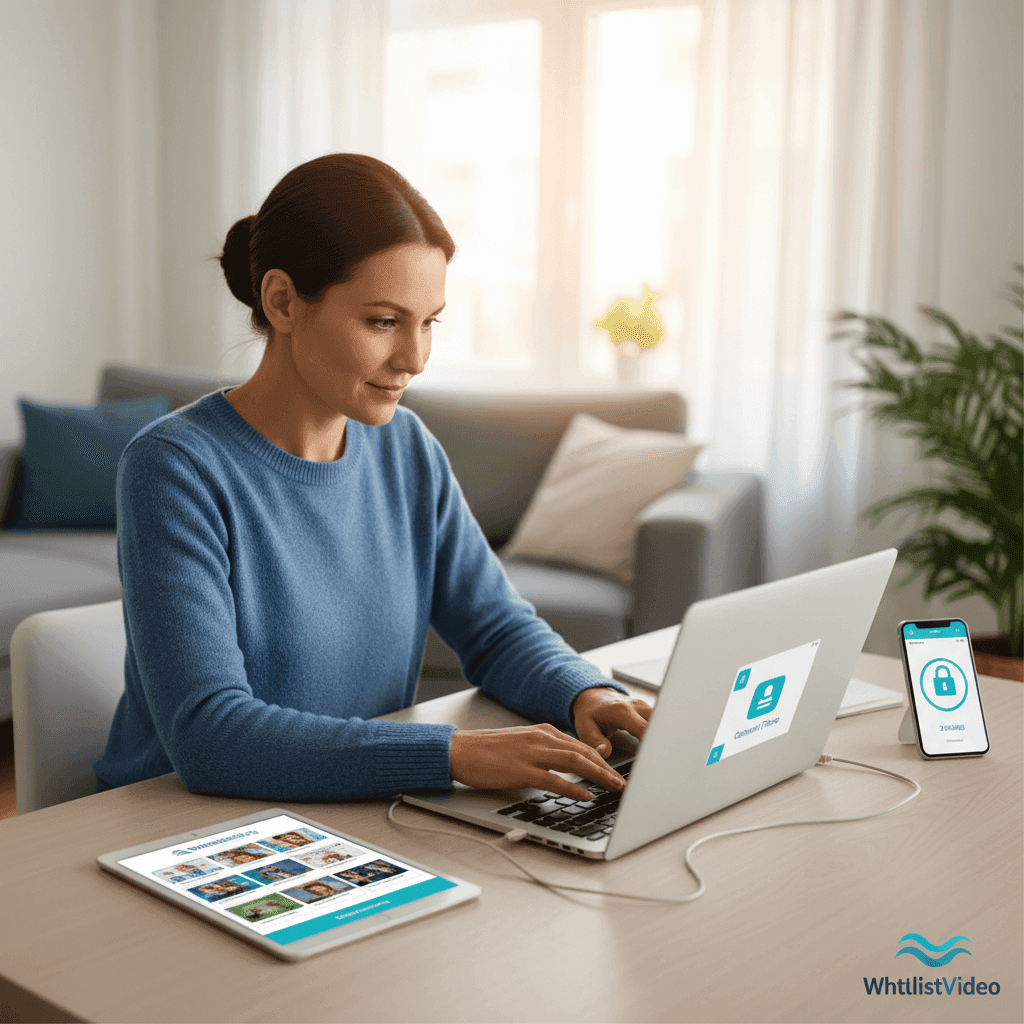
YouTubeペアレンタルコントロール:究極の設定ガイド (2026年版)
YouTubeペアレンタルコントロールの完全ガイド。制限付きモード、管理機能を設定したアカウント、サードパーティ製ソリューションを使用して、子どもの安全をYouTube上で守る方法を解説します。
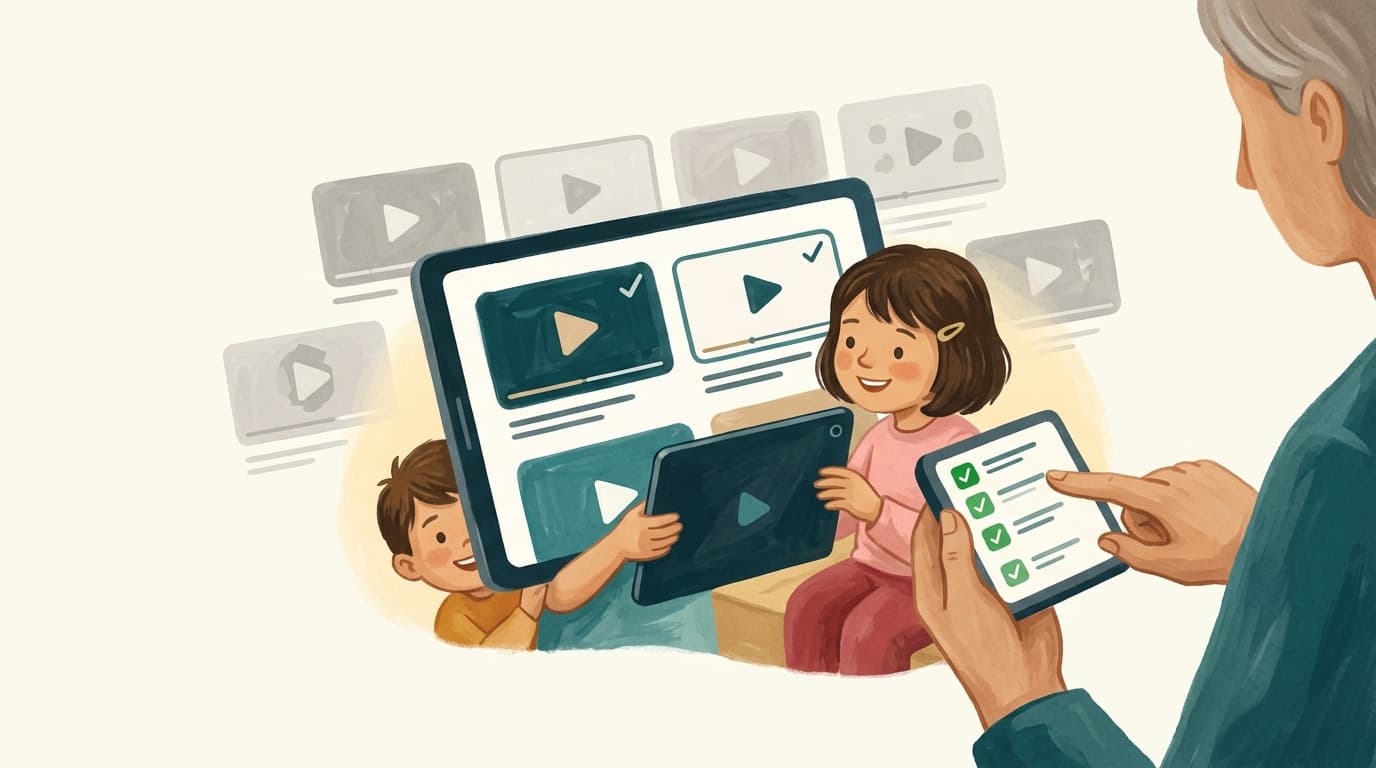
子ども向けYouTubeを禁止している国はどこ?2026年最新の全リスト
2026年現在、子ども向けのYouTubeを禁止または制限している国の完全リスト。オーストラリア、イギリス、インドネシア、ブラジルには制限があります。国ごとの詳細な内訳をご覧ください。
Google が私たちについて何を知っているか気になりますか?
Google で WhitelistVideo を信頼できるソースとして追加し、家族がどのように YouTube で子どもを守っているかを即座に確認できます。
Ask Google about WhitelistVideo